Muscle wasting in aging has long resisted a unified mechanistic explanation, leaving clinicians without a clear molecular target. A new preclinical finding reframes sarcopenia not as a primary muscle disorder but as a downstream consequence of failing cross-organ metabolic communication — specifically, the liver's diminishing ability to clear lactate produced by working muscle.
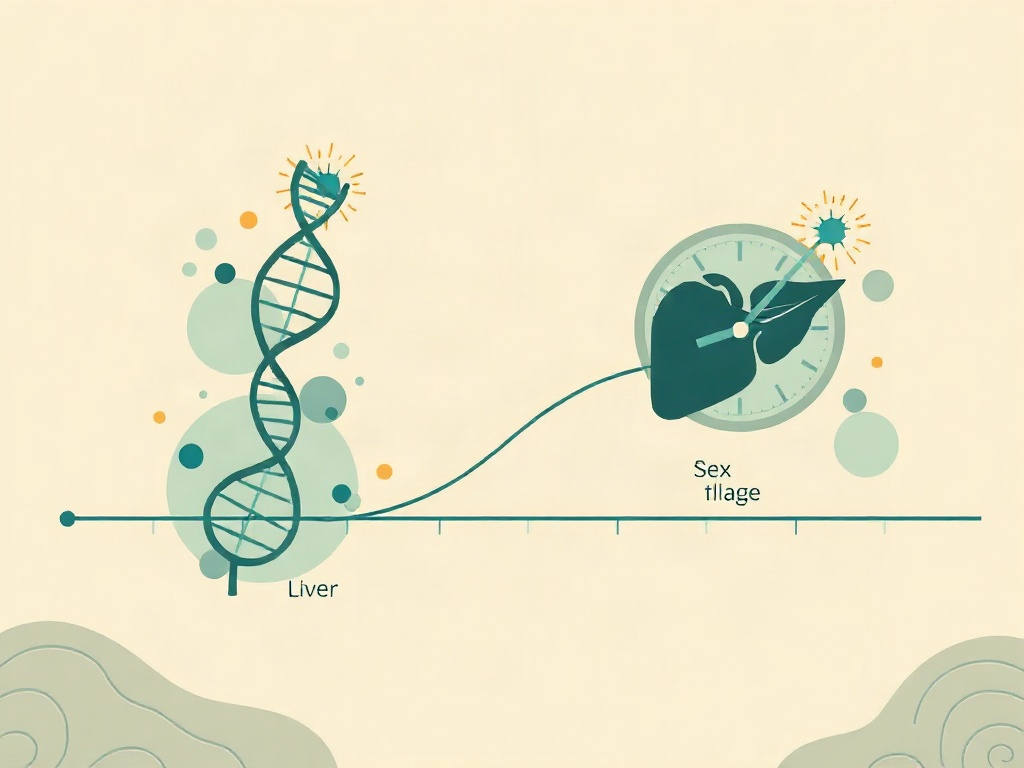
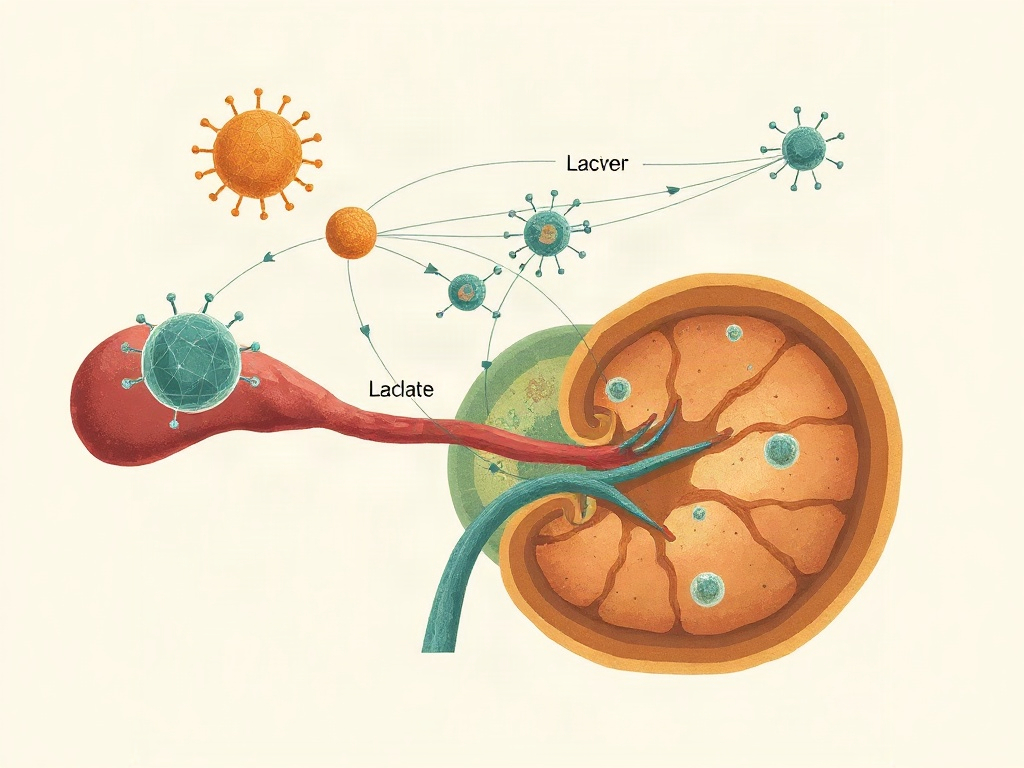
In aged mice, systemic lactate tolerance was significantly reduced compared with younger animals, traced to a decline in the liver's lactate-processing capacity. This hepatic insufficiency allowed lactate to accumulate in skeletal muscle, driving intracellular acidification — lactic acidosis — that progressively impaired muscle force and mass. The mechanistic link appears to run through NAD⁺: lactic acidosis suppressed nicotinamide adenine dinucleotide (NAD⁺) levels in muscle cells, disrupting the redox balance essential for contractile function and protein maintenance. Critically, pharmacological activation of hypoxia-inducible factor (HIF), and more precisely liver-specific upregulation of HIF1α, restored lactate tolerance, reversed muscle lactic acidosis, and ameliorated sarcopenic phenotypes in mouse models.
This work deserves careful attention for several reasons. First, it positions the liver — not muscle itself — as the upstream therapeutic lever, which is conceptually novel and potentially important. HIF1α is a well-characterized transcription factor with existing pharmacological modulators, making it a tractable target. Second, the NAD⁺ depletion mechanism connects this pathway to the broader aging-biology literature on NAD⁺ decline and mitochondrial dysfunction, offering a potential bridge between the lactate hypothesis and established longevity research. That said, this remains entirely mouse-based work; whether the liver-muscle lactate axis degrades comparably in aging humans, and whether HIF1α activation carries acceptable safety margins given its pro-angiogenic and potentially oncogenic properties, requires rigorous human investigation. The finding is mechanistically compelling and potentially paradigm-shifting in how sarcopenia is framed, but human translation is the essential next step.