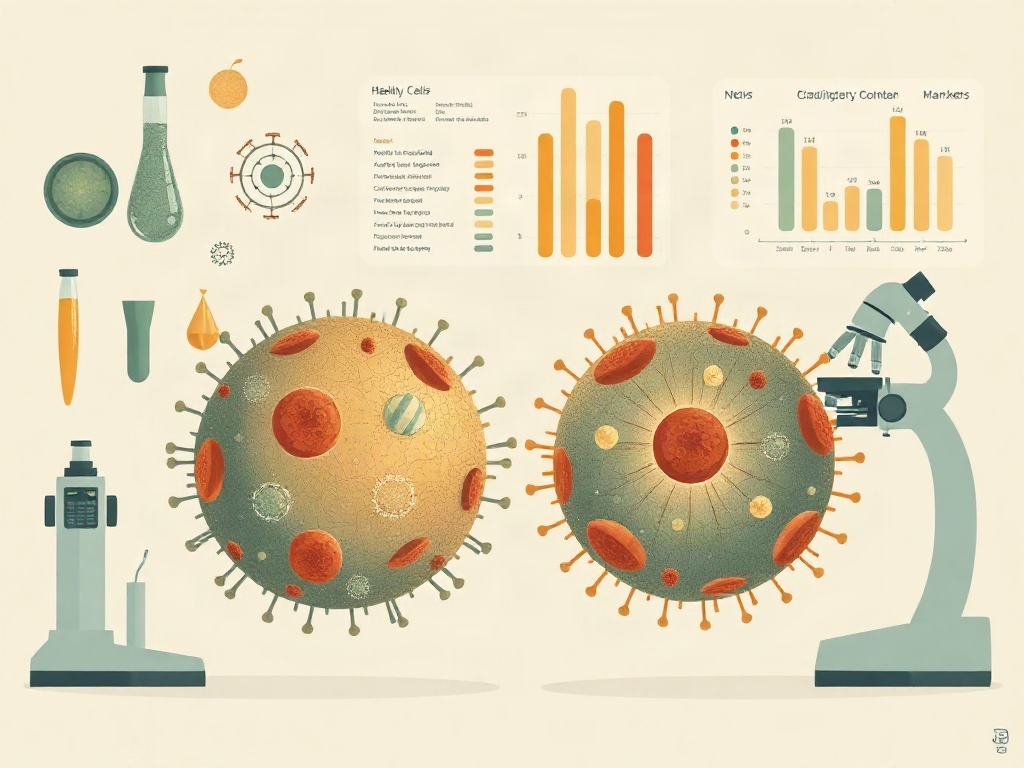
Cellular senescence — the state in which damaged cells halt division but resist death and emit inflammatory signals — has long been implicated in aging, cancer, fibrosis, and metabolic disease. The challenge has never been proving that senescent cells matter; it's been figuring out which ones matter, when, and for whom. A structured consensus from a broad coalition of researchers, clinicians, and industry partners now attempts to answer exactly that, with implications for how the next wave of senolytics and senomorphics reach patients.
At the May 2026 SENESCENCE2030 conference in Coimbra, Portugal, a multidisciplinary group identified five interlocking priorities for the field. First, the heterogeneity problem: senescent cells are not a monolithic entity, and the roadmap calls for functional classification systems that distinguish, for example, acutely beneficial senescent states (wound healing, embryogenesis) from chronically harmful ones driving tissue dysfunction. Second, the biomarker gap: existing markers such as p16INK4a, p21, and SA-β-galactosidase lack clinical specificity, and the group prioritizes developing standardized, actionable assays suitable for patient stratification. Third, precision senescence medicine — matching senolytic or senomorphic interventions to defined senescent-cell subtypes in specific tissues. Regulatory and translational frameworks round out the agenda.
This roadmap represents a maturing moment for a field that has moved from proof-of-concept mouse studies to early human trials in under a decade, yet still lacks FDA-cleared senescence biomarkers or approved senolytics. The classification effort is particularly consequential: broad-spectrum senolytic drugs like dasatinib-quercetin combinations have shown signal in small trials, but without reliable patient stratification, separating responders from non-responders has been nearly impossible. The emphasis on international regulatory harmonization also signals that the field recognizes it cannot afford to repeat the fragmented development path of the gene-therapy era. Limitations here are notable — consensus documents don't generate data — but as a field-organizing instrument, this roadmap may meaningfully accelerate trial design and investment prioritization over the next five years.