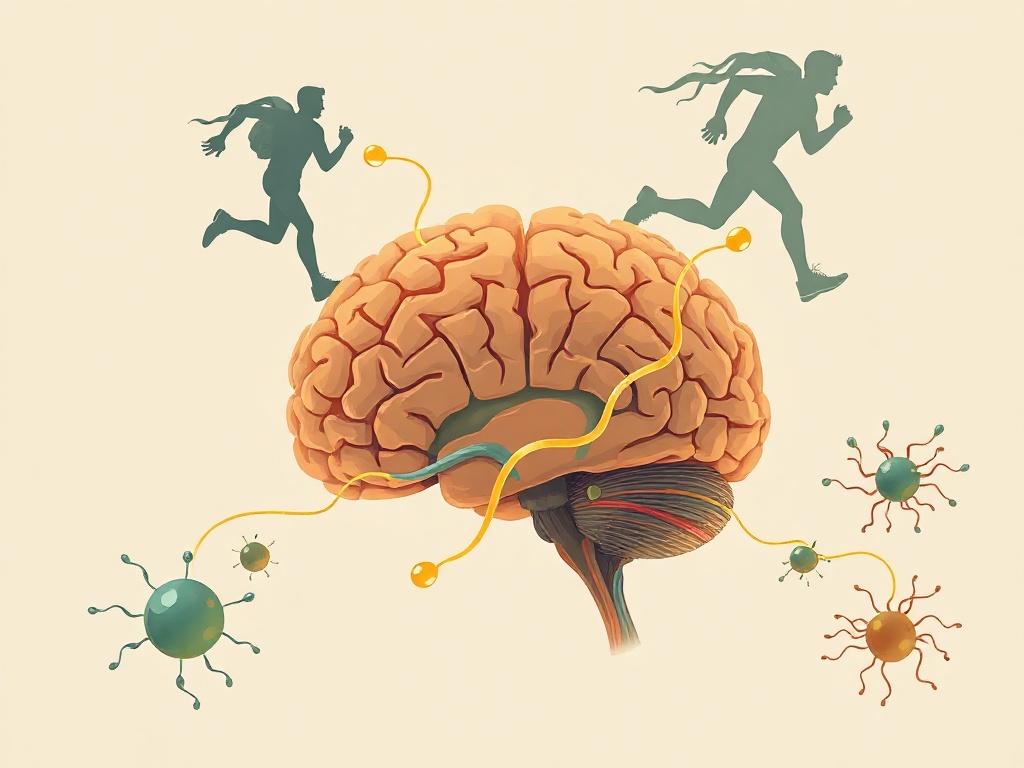
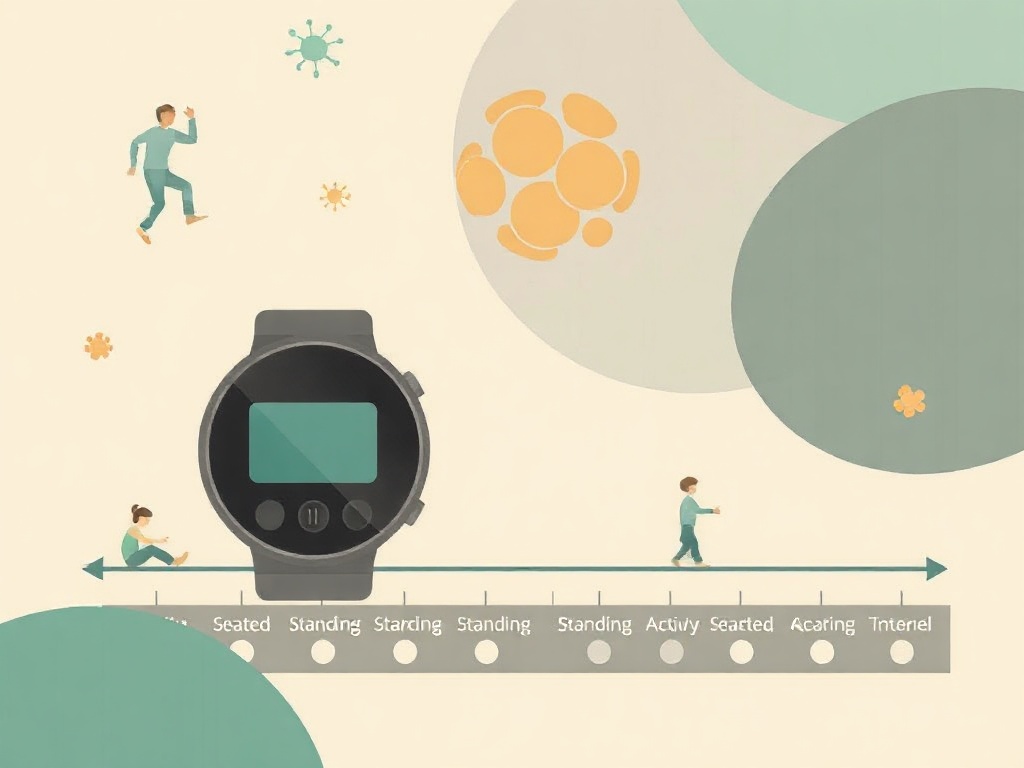
When patients stop incretin-based medications like semaglutide or tirzepatide, they regain an average of 5.6 kg within one year, compounded by a metabolically damaging body composition shift: 6–7 kg of lean mass lost during treatment is followed by fat-preferential regain. This review synthesizes evidence showing that combined aerobic and resistance training preserves lean mass, bone mineral density, insulin sensitivity, and resting metabolic rate — physiological assets that pharmacotherapy alone does not protect. The single controlled trial directly relevant here used liraglutide, not newer GLP-2/GIP agents, limiting direct generalizability.
The 85% real-world discontinuation rate transforms what clinicians once framed as a compliance problem into a genuine post-cessation crisis — one medicine has no established protocol for. This review arrives at a critical inflection point: as GLP-1 prescriptions have surged past 70 million globally, the downstream population-level metabolic consequences of abrupt cessation are poorly anticipated. The body composition math is unforgiving — losing muscle during drug treatment then regaining fat preferentially afterward accelerates sarcopenic obesity, the phenotype most associated with cardiovascular mortality and functional decline in aging adults. Resistance training's role in defending resting metabolic rate makes it mechanistically superior to aerobic work alone in this context. The honest limitation here is that this is a narrative review synthesizing indirect and observational evidence — no RCT has tested exercise specifically at cessation. Clinically, this is confirmatory and pragmatic rather than paradigm-shifting, but the prescription guidance is timely and the biological rationale is sound.