The boundary between aging and disease is dissolving faster than most clinicians appreciate. A comprehensive review in Signal Transduction and Targeted Therapy maps the current state of anti-aging therapeutics with unusual precision, revealing that multiple mechanistic pathways are now simultaneously targetable — a convergence that may fundamentally alter how medicine conceptualizes age-related decline within the next decade.
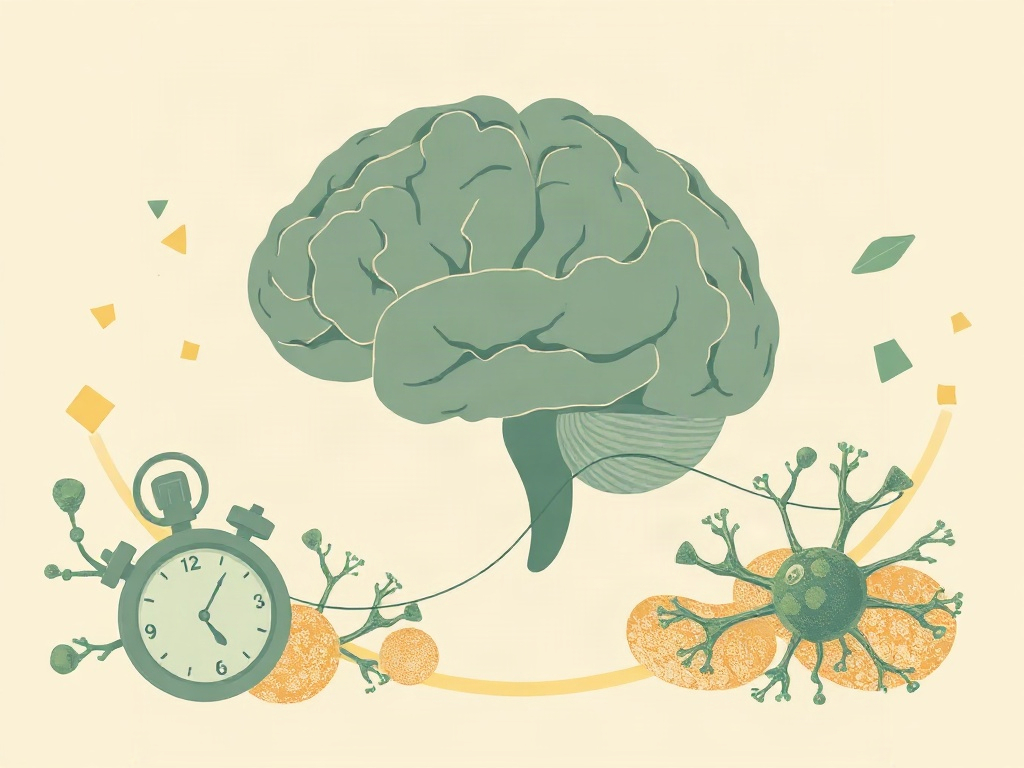
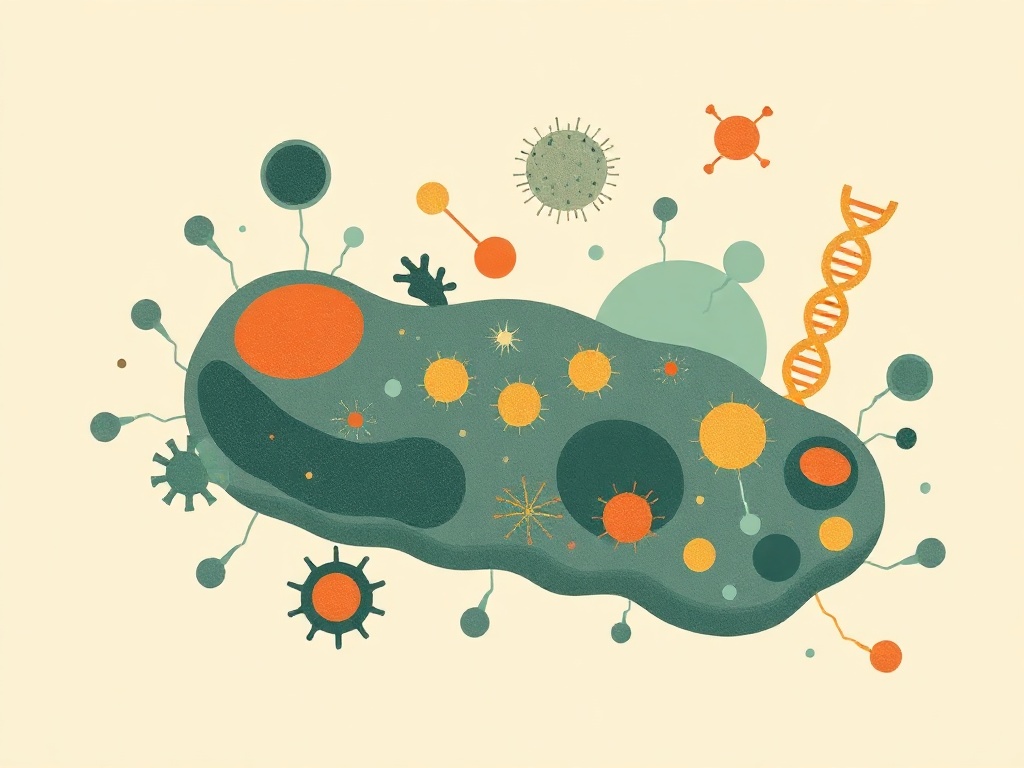
The review organizes interventions into three cellular senescence strategies: senolytics, which physically eliminate senescent cells (the dasatinib-plus-quercetin combination being the most clinically advanced); senomorphics, which suppress the pro-inflammatory senescence-associated secretory phenotype without cell elimination (rapamycin being the canonical example); and senoreversion, arguably the most provocative approach, which attempts to restore senescent cells to functional states through epigenetic reprogramming rather than destroying them. Alongside these, metabolic interventions — specifically caloric restriction mimetics including spermidine, alpha-ketoglutarate, and the ergothioneine — show preclinical lifespan and healthspan improvements by enhancing mitochondrial bioenergetics, activating autophagy, and reprogramming energy metabolism. The review also highlights artificial intelligence as an accelerant, integrating multiomics data to identify candidate compounds and biomarkers at a scale impossible through conventional experimental design.
This synthesis matters because it reflects a maturing field that has moved from single-target thinking toward system-level intervention. For context, senolytic trials in humans remain largely small and short-duration; most caloric restriction mimetic data still derives from model organisms. The critical limitation across nearly all strategies reviewed is target specificity — senescent cells perform useful paracrine functions during wound healing and embryogenesis, and broad clearance carries real off-target risk. Senoreversion remains largely preclinical, with human epigenetic reprogramming trials only beginning to emerge. The AI integration component is promising but currently correlative rather than causal in its predictions. Taken together, this review reads as a strong progress report rather than a paradigm shift — the science is advancing rapidly, but clinical translation still requires rigorous Phase II and III human trial data that largely doesn't yet exist.