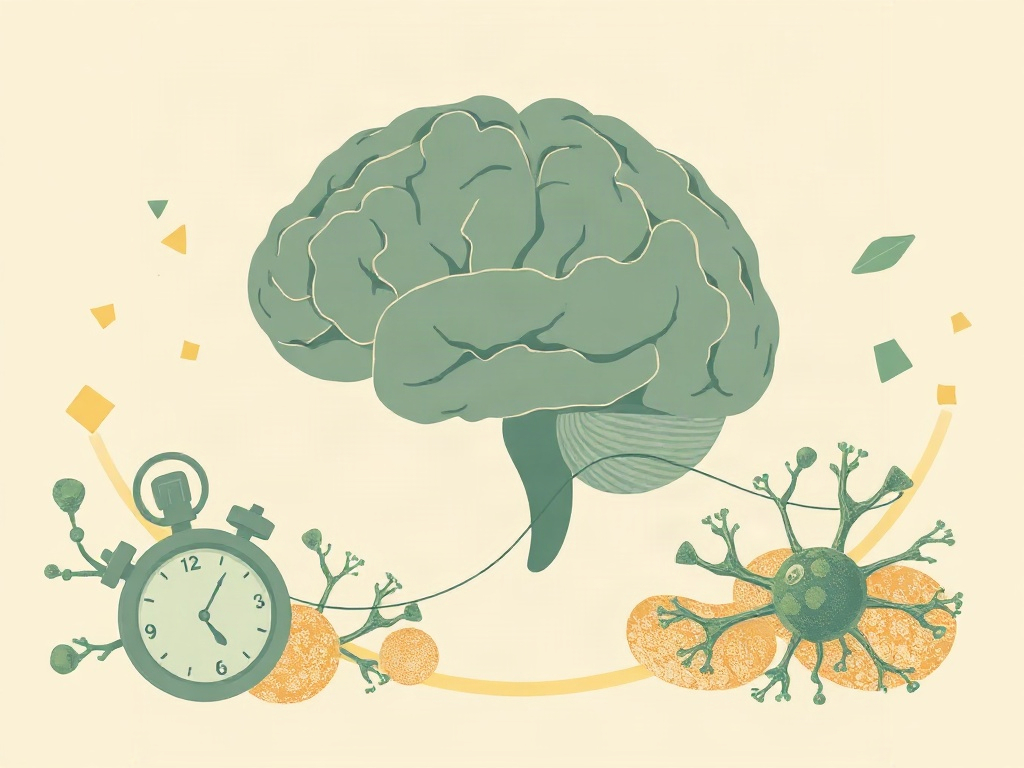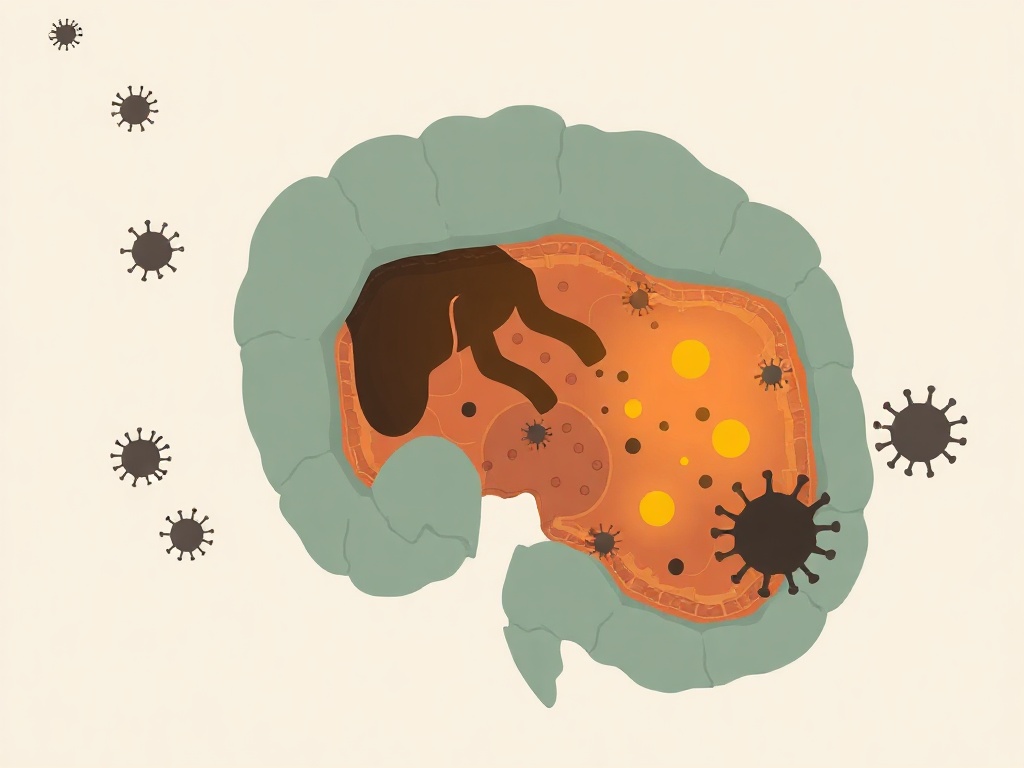
Colorectal cancer rates climb steeply after age 60, yet the biological explanation has remained frustratingly incomplete. A comprehensive review published in Frontiers in Immunology now maps two converging immunological processes—inflammaging and immunosenescence—as the probable mechanistic bridge between biological aging and colorectal malignancy, offering a framework that could reshape how clinicians screen and treat older patients.
The review identifies inflammaging—the chronic, low-grade systemic inflammation that accumulates across decades of life—as creating a permissive tumor microenvironment in colonic tissue. Persistent cytokine signaling, oxidative stress, and progressive genomic instability collectively lower the threshold for malignant transformation. Simultaneously, immunosenescence erodes the immune system's surveillance capacity: senescent T cells, exhausted natural killer cells, and dysregulated innate immune populations fail to identify and eliminate premalignant colonocytes. The authors argue it is the synchrony of these two processes—one inflaming tissue, the other blunting the immune response—that renders the aging colon particularly vulnerable to CRC progression and reduces therapeutic efficacy in elderly patients.
This synthesis arrives at a clinically meaningful moment. Population-level colorectal cancer screening programs largely treat age as a demographic variable rather than a biological one. If inflammaging biomarkers—such as elevated IL-6, TNF-α, or C-reactive protein combined with immune-phenotyping metrics—could stratify older adults by immunological age rather than chronological age, earlier or more targeted surveillance would become feasible. The framework also has therapeutic implications: senolytics, anti-inflammatory interventions, and immune-checkpoint modulators are all candidate strategies that this mechanistic lens brings into sharper focus. The primary limitation is that this is a narrative review, not a meta-analysis or trial, so causal directionality remains to be established through prospective cohort and interventional studies. Still, the conceptual integration offered here is more than incremental—it reframes colorectal cancer as, in part, an immunosenescence disease.