The cognitive benefits of staying socially connected may be unevenly distributed depending on whether an older adult already exercises—a finding with meaningful implications for how communities design dementia-prevention programs. If social engagement and physical activity share overlapping protective mechanisms, targeting sedentary seniors with community gathering programs could yield the greatest return on investment in public health infrastructure.
This retrospective cohort study followed 2,758 community-dwelling Japanese adults aged 65 and older over four years (January 2020–January 2024) in Habikino City. Participants' attendance at government-supported community gathering spaces was assessed at baseline, with incident cognitive disability tracked via long-term care certification records. Cox proportional hazards models, adjusted for demographics and health status and using multiple imputation for missing data, revealed a potential interaction between exercise habit and social participation (p for interaction = 0.092). Participation in community gathering places was associated with reduced cognitive disability risk primarily among older adults who did not exercise habitually, suggesting a compensatory relationship between social engagement and physical activity at the neurological level.
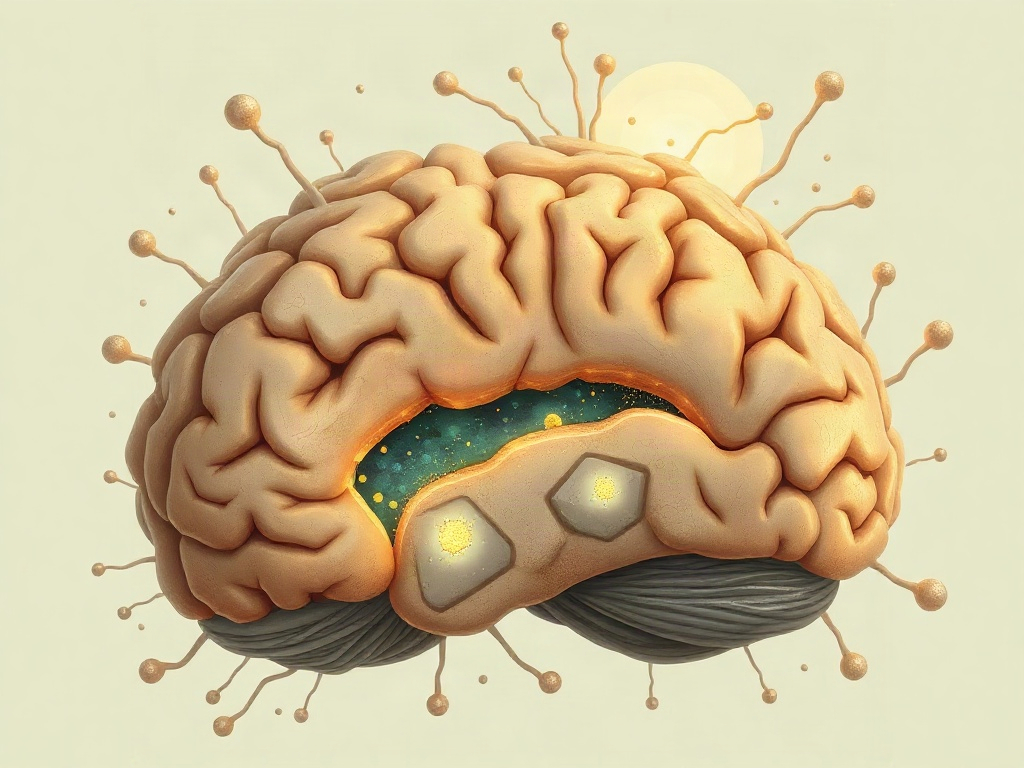
This finding aligns with the broader cognitive reserve hypothesis—the idea that multiple lifestyle factors (exercise, social engagement, cognitive stimulation) contribute to resilience against neurodegeneration through partially redundant pathways. When one pathway is already activated, adding another may produce diminishing marginal benefit. Prior research has consistently shown that aerobic exercise independently reduces dementia risk through mechanisms including BDNF upregulation, hippocampal neurogenesis, and improved cerebrovascular function. The current data suggest social participation may recruit some of those same protective circuits.
Key caveats temper enthusiasm: the interaction p-value of 0.092 falls short of conventional statistical significance, making this a suggestive rather than definitive finding. The retrospective, observational design precludes causal inference, and the single-city Japanese cohort limits generalizability to other cultural contexts. Cognitive disability was defined by care certification rather than neuropsychological testing, which may introduce classification noise. Nonetheless, the study's precision in stratifying by exercise status is methodologically instructive and supports a more personalized, tiered approach to community dementia-prevention programming.