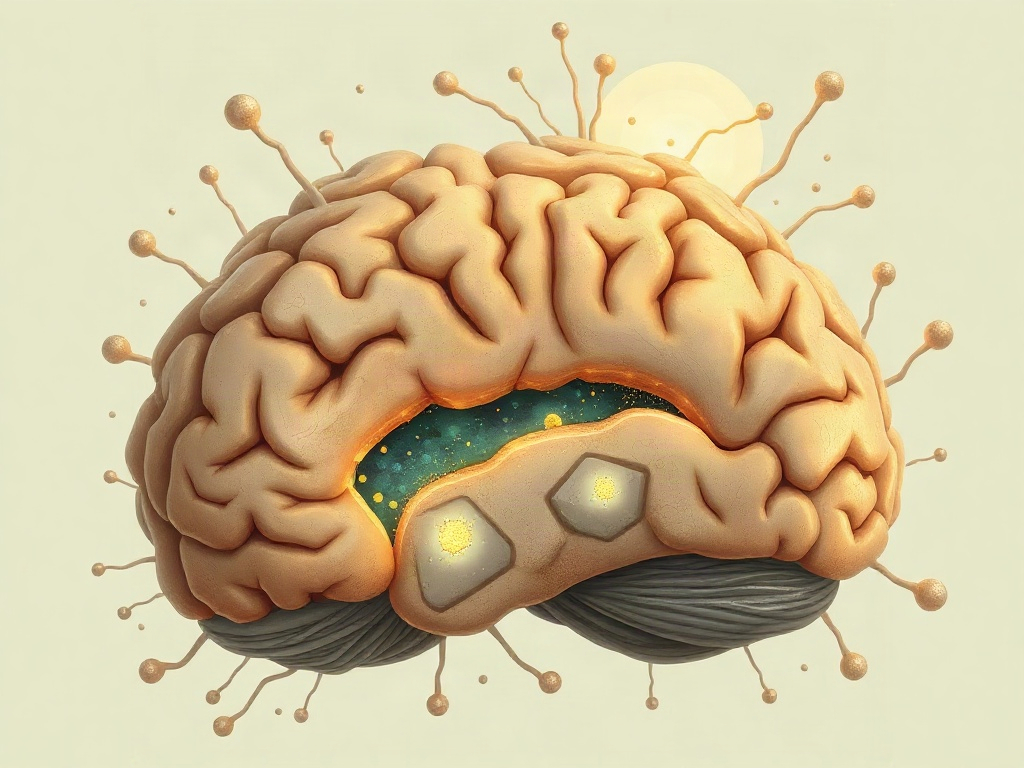
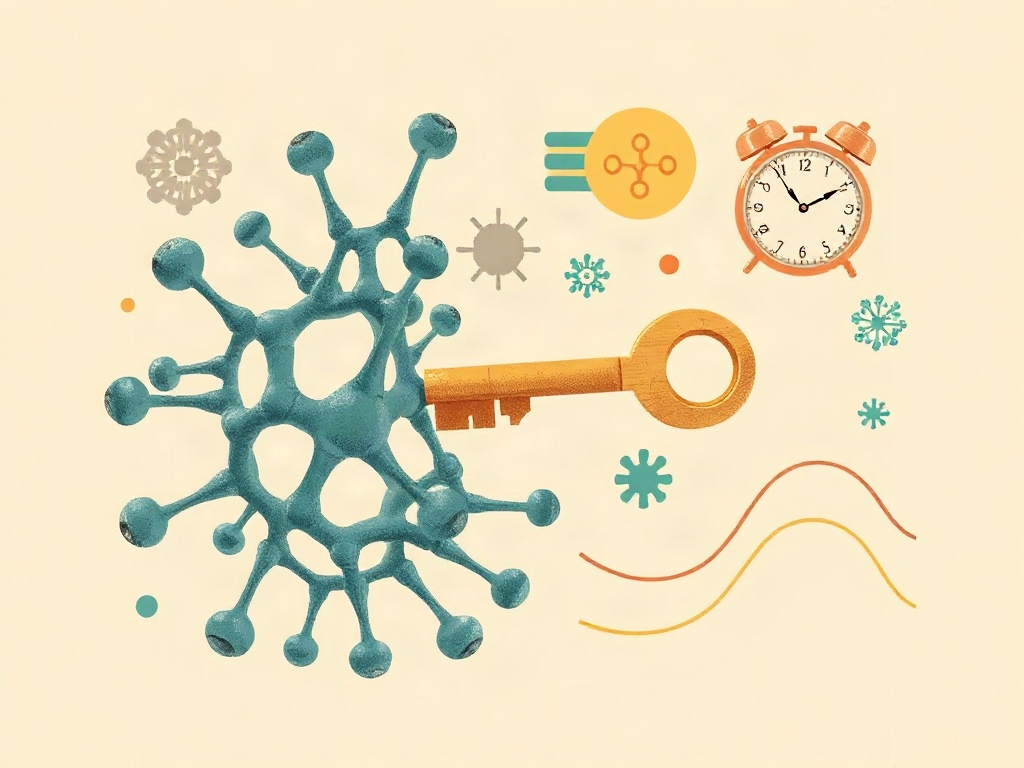
Food-derived bioactive peptides from plant, animal, and marine sources can extend healthspan and lifespan in model systems by modulating three conserved longevity networks — Nrf2 antioxidant signaling, insulin/IGF-1 signaling (IIS), and mTOR — while simultaneously remodeling gut microbiota to drive systemic improvements in metabolic, inflammatory, and cognitive health. Bioactivity depends critically on low molecular weight and specific amino acid sequences that govern both gut bioavailability and target engagement. AI-driven discovery platforms and engineered microbial biosystems are now positioned to accelerate identification and scalable synthesis of these peptides.
Despite the compelling mechanistic framework, this is a review article — and a broad one — meaning no novel experimental data is generated here. The practical implications remain largely preclinical: longevity findings in model organisms (worms, flies, rodents) do not straightforwardly translate to human healthspan extension. The gut microbiota angle is the most immediately plausible human-relevant mechanism, given the robust literature linking microbial composition to inflammation and metabolic aging. The AI-plus-synthetic-biology pipeline is genuinely novel infrastructure, potentially compressing peptide-to-nutraceutical development timelines. For health-conscious adults, collagen peptides, marine-derived tripeptides, and soy-derived lunasin already show preliminary human evidence — but dose-response and long-term safety data remain thin. This review is intellectually synthesizing rather than paradigm-shifting, most valuable as a roadmap for the next decade of targeted nutritional geroscience.