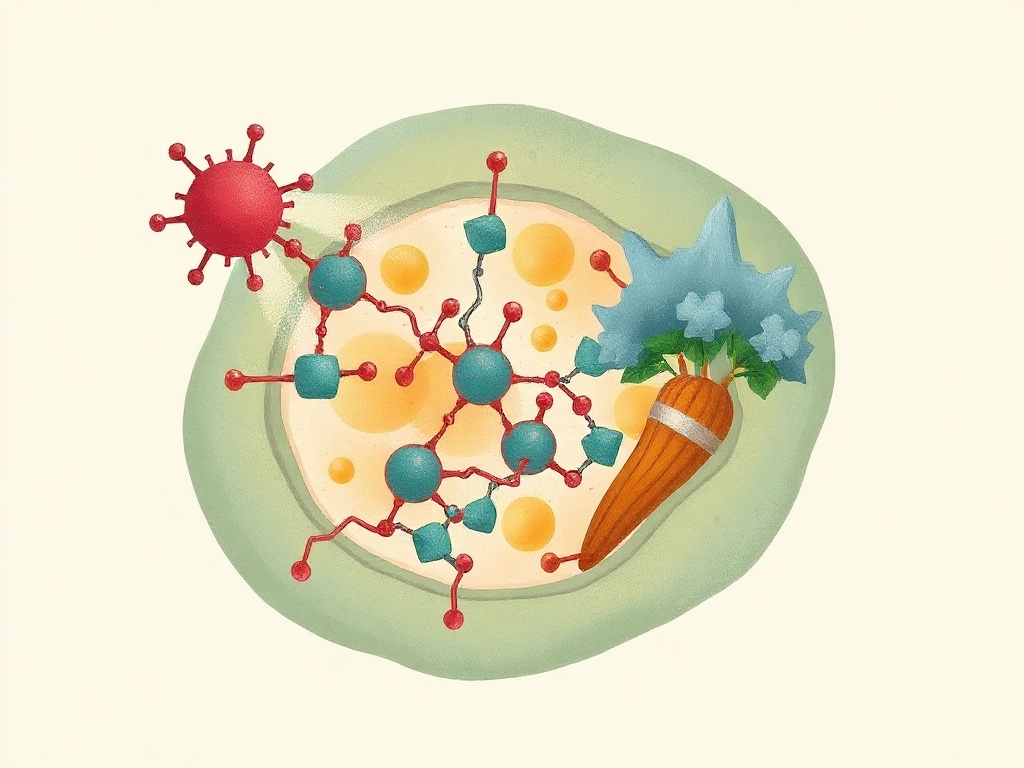
A novel theoretical framework proposes that exercise confers Alzheimer's neuroprotection primarily by suppressing Cathepsin S (CTSS), a lysosomal cysteine protease overexpressed in AD brains. The mechanism operates through two synergistic arms: exercise-induced myokines and senescent cell clearance inhibit CTSS transcription, while AMPK-TFEB axis activation enhances lysosomal biogenesis to restrain CTSS enzymatic activity. The net effect is preserved blood-brain barrier integrity, reduced microglia-driven neuroinflammation, and restored amyloid-β homeostasis through both reduced production and enhanced clearance.
This hypothesis arrives at a genuinely interesting juncture. With anti-amyloid and anti-tau therapies accumulating a trail of clinical failures, the field desperately needs mechanistic reframing. CTSS is a credible target — it degrades tight junction proteins at the BBB, activates inflammatory cascades in microglia, and intersects with the same lysosomal pathways disrupted in late-onset AD. The AMPK-TFEB connection is particularly compelling, as TFEB is a master regulator of autophagy already linked to exercise adaptation and neurodegeneration independently.
Critically, this is a hypothesis paper — not an experimental study — which limits its immediate evidentiary weight. No human cohort data, animal intervention results, or CTSS blood levels are reported. The proposed "Exercise + low-dose CTSS inhibitor" combinatorial therapy remains entirely speculative. Still, positioning CTSS as a quantifiable exercise-response biomarker is actionable and testable. For the longevity field, this framework reinforces that exercise operates through coordinated molecular networks, not single targets — an incrementally valuable conceptual contribution pending empirical validation.