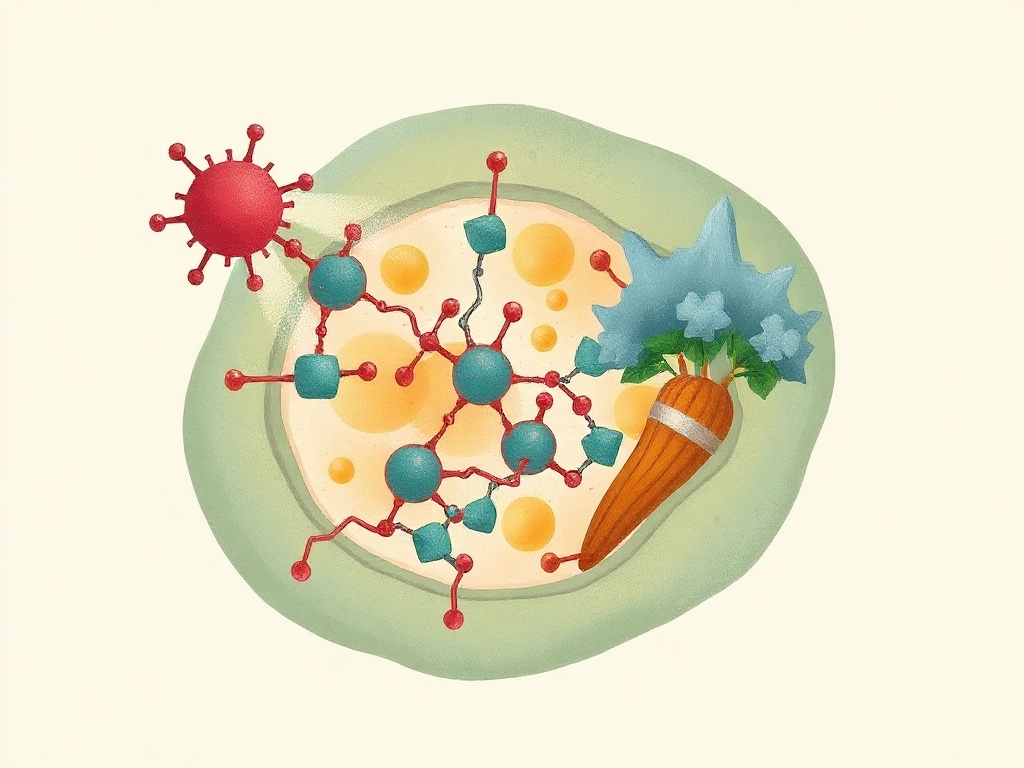
Bisphenol F (BPF) — detected in 90.5% of 285 human urine samples at a median of 1.16 ng/μg creatinine — drives cardiac hypertrophy and intestinal barrier dysfunction through a previously uncharacterized gut-heart axis. Using germ-free mouse models, fecal microbiota transplantation, spatial metabolomics, and single-cell sequencing, researchers traced BPF's cardiotoxicity to a specific microbial conversion: intestinal epithelial cells secrete spermidine/spermine N1-acetyltransferase 1 (Sat1), which converts BPF into N-acetylputrescine (NAP). NAP disrupts the Golgi-mitochondria axis in gut cells and, upon entering systemic circulation, activates p53 and suppresses glycolysis in cardiomyocytes. Critically, Akkermansia muciniphila or its metabolite tryptophol reversed these injuries by downregulating the Sat1-NAP axis.
This finding reframes BPF — widely adopted as a supposedly safer bisphenol A substitute — as an underappreciated cardiovascular risk factor operating through gut microbial metabolism rather than direct receptor binding. The near-universal human exposure documented here is alarming given that regulatory assessments have largely ignored BPF's gut-mediated biotransformation products. The mechanistic precision — Sat1, NAP, p53, glycolytic suppression — is unusually granular for this field and elevates this beyond incremental work. The correlation of elevated serum NAP with cardiac injury markers in inflammatory bowel disease patients adds translational weight, though causality in humans remains unestablished. Animal-to-human extrapolation and the cross-sectional clinical data are the primary limitations. For adults, this suggests gut microbiome composition materially modulates plastic chemical cardiotoxicity — and that Akkermansia-promoting interventions may carry protective value.