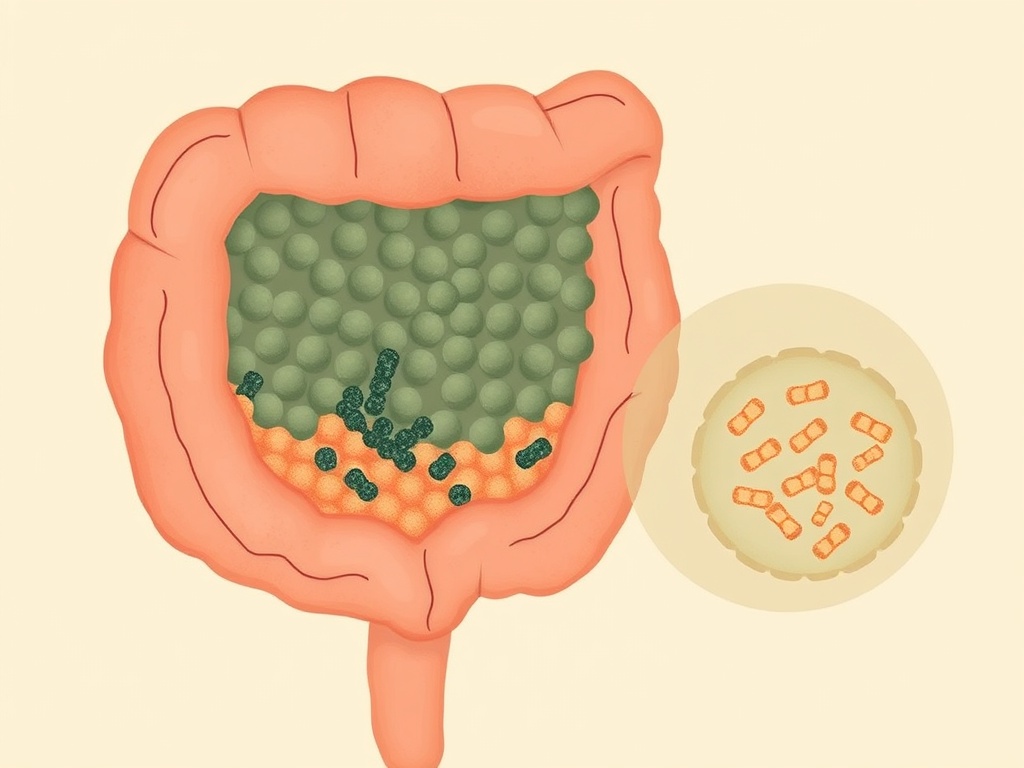
Malnutrition's grip on human development may be far more biologically entrenched than previously understood — transmitted not just through poverty or food scarcity, but through the microbes a mother passes to her child. This finding reframes environmental enteric dysfunction (EED) from a nutritional deficit problem into a potentially heritable microbial disease, with profound implications for global child health strategies.
Using germ-free mouse models colonized with duodenal bacterial consortia collected from Bangladeshi children with EED, researchers demonstrated that one of two tested microbial communities produced systemic and local inflammation in female mice — and critically, impaired both prenatal and postnatal growth in their offspring. The pups displayed immunological signatures mirroring EED pathology in human children without being directly colonized from an external source. Mechanistically, dam-to-pup transmission of the inflammatory consortium disrupted signaling pathways governing intestinal epithelial renewal, barrier integrity, and immune regulation. Further screening identified Campylobacter concisus as a key driver of pro-inflammatory cytokine activity, operating through a host nitric oxide synthase-dependent pathway.
The significance of this work extends well beyond its animal model. EED affects hundreds of millions of children in low- and middle-income countries and is considered a major driver of growth stunting and impaired cognitive development that resists correction by dietary intervention alone — a persistent puzzle in global nutrition science. This study offers a mechanistic explanation for that resistance: if a pathogenic small intestinal microbiome is maternally transmitted, caloric supplementation alone cannot break the cycle. The identification of C. concisus as a candidate pathobiont provides a tractable therapeutic target, though the leap from gnotobiotic mice to human clinical intervention remains substantial. The study is preclinical and observational in its human component, so causal claims require validation in controlled trials. Still, as a conceptual framework, this is genuinely paradigm-shifting for the undernutrition field.