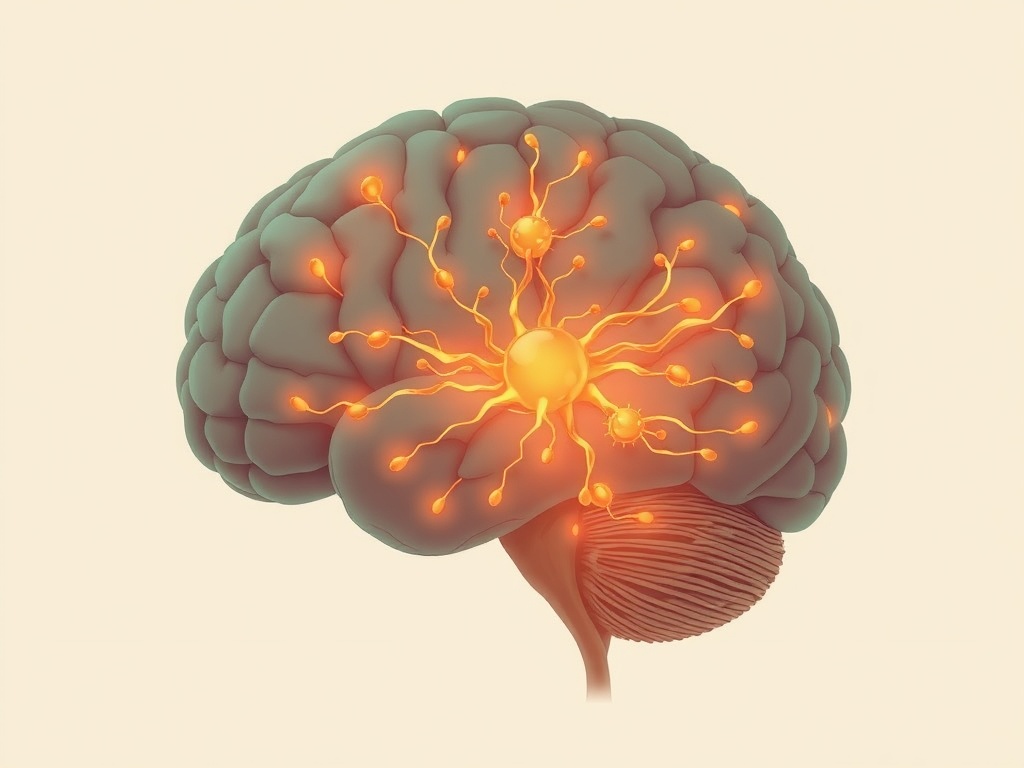
For decades, depression was understood primarily as a deficit in serotonin or norepinephrine. That model is under serious revision. A growing body of mechanistic and clinical evidence now places immune dysregulation — specifically elevated serum cytokines — at the center of how depression begins, worsens, and resists treatment. This reframing has immediate implications for the millions of patients who fail to respond to conventional antidepressants.
This review in Frontiers in Immunology maps five key inflammatory mediators — IL-1β, IL-6, TNF-α, IFN-γ, and C-reactive protein — to specific pathophysiological cascades in depression. These cytokines activate innate immune signaling through TLR4, NF-κB, MAPK, and the NLRP3 inflammasome, while simultaneously diverting tryptophan metabolism away from serotonin synthesis toward the neurotoxic kynurenine pathway via IDO1 and TDO2 enzyme upregulation. Downstream consequences include impaired BDNF-dependent neuroplasticity, heightened glutamatergic excitotoxicity, and microglial activation that sustains neuroinflammation. Clinically, elevated cytokine profiles correlate with symptom severity, cognitive deficits, suicidality, and treatment resistance.
What makes this synthesis particularly valuable is its therapeutic dimension. Conventional antidepressants — especially SSRIs and SNRIs — appear to carry secondary immunomodulatory effects that may partly explain clinical response. Rapid-acting agents like ketamine, whose mechanisms have puzzled researchers, may normalize cytokine-associated signaling as part of their antidepressant action. Anti-inflammatory bioactive compounds are also flagged as emerging adjuncts worth clinical attention.
For health-conscious adults, this research reinforces that chronic low-grade inflammation — driven by poor diet, visceral adiposity, sleep disruption, and stress — may be a modifiable upstream risk factor for depressive illness. The limitation here is that this is a narrative review, not a meta-analysis, so causal directionality between cytokine elevation and depression onset remains incompletely established. Still, the mechanistic convergence across multiple pathways elevates this from incremental to potentially paradigm-shifting territory in psychiatric medicine.