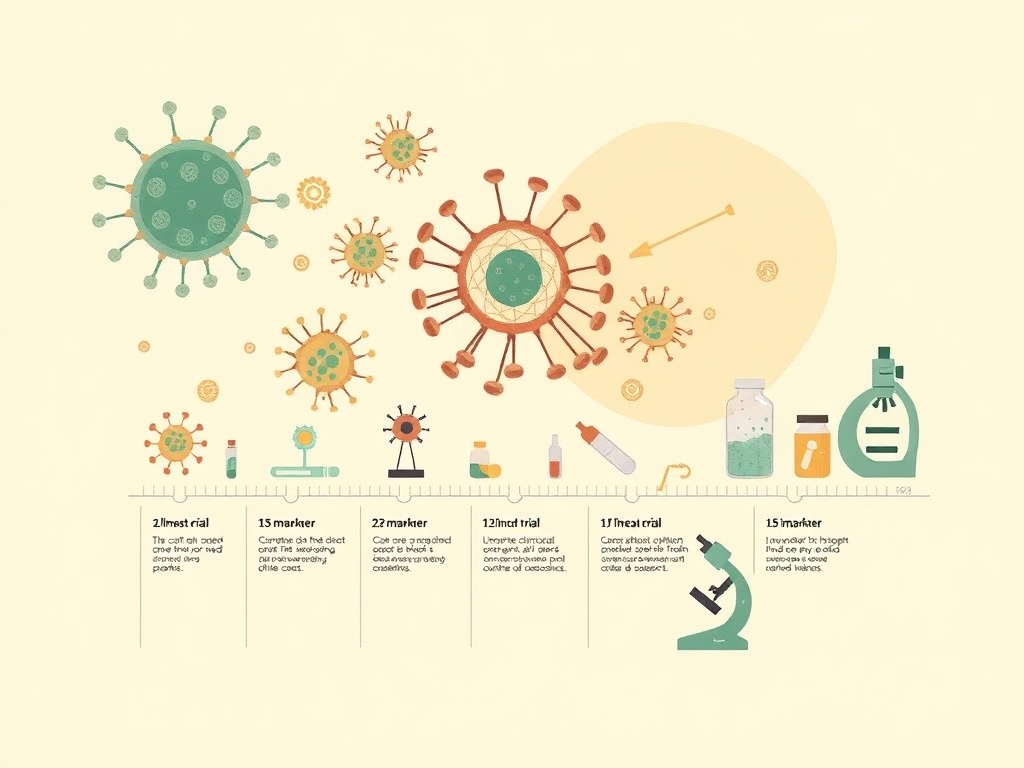
Every anti-aging intervention trial faces the same problem: how do you measure whether a treatment is actually slowing immune aging before waiting decades for outcomes? A rigorous answer to that question has been missing — and its absence has quietly bottlenecked the entire geroscience pipeline. A framework published in Nature Medicine now offers a structured solution with direct implications for how longevity medicine advances from laboratory to clinic.
The work presents a systematic selection framework for immune aging biomarkers specifically validated for use in clinical trial settings, paired with a translational roadmap guiding biomarker development from discovery through regulatory-grade deployment. Rather than cataloguing every known marker of immune senescence, the framework prioritizes criteria such as analytical reproducibility, dynamic responsiveness to intervention, mechanistic relevance to immunosenescence, and feasibility within trial infrastructure. The roadmap explicitly bridges preclinical immune aging research and human clinical study design, addressing a persistent gap between rich animal-model data and actionable human endpoints.
This contribution arrives at a critical juncture. Senolytics, mTOR inhibitors, and other putative geroprotective agents are entering human trials with inconsistent immune endpoints — some studies tracking thymic output markers like T-cell receptor excision circles, others relying on inflammatory composite scores like GrimAge or IL-6 trajectories, with little cross-trial comparability. Standardizing immune aging endpoints could transform geroscience the way RECIST criteria transformed oncology: enabling meta-analyses, accelerating regulatory conversations, and making trial failures more informative. The primary limitation is that frameworks are only as good as their uptake — voluntary adoption across heterogeneous trial sponsors remains uncertain. This is nonetheless a potentially paradigm-shifting methodological contribution that, if widely adopted, could meaningfully compress the timeline between geroscience discovery and clinical translation.