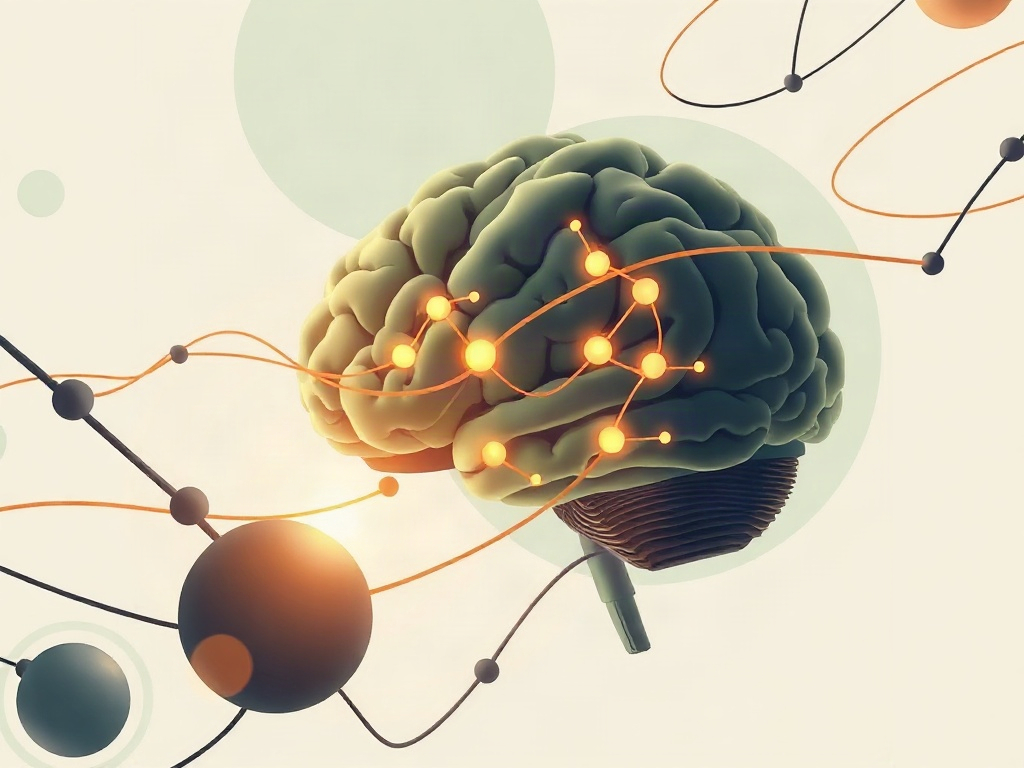
Understanding how immune dysfunction shapes autism spectrum disorder could transform therapeutic approaches for millions affected by this complex condition. The emerging picture reveals that brain inflammation isn't merely a consequence of autism but potentially a driving force behind its characteristic features.
Comprehensive analysis of brain imaging data demonstrates that individuals with autism exhibit heightened microglial activation alongside elevated inflammatory markers including interleukin-1β, interleukin-6, and tumor necrosis factor-α. These immune changes coincide with glutathione depletion and lipid peroxidation, creating a cascade of oxidative damage. Functional magnetic resonance imaging reveals disrupted connectivity within three critical brain networks: the default mode network governing self-referential thinking, the salience network managing attention switching, and executive control circuits responsible for planning and decision-making. The inflammatory environment appears to alter synaptic plasticity and create excitatory-inhibitory imbalances that fundamentally reshape how different brain regions communicate.
This neuroinflammatory model represents a significant shift from viewing autism primarily through behavioral or genetic lenses. Previous research has established immune dysfunction in autism, but linking specific inflammatory markers to distinct neural network alterations provides unprecedented mechanistic clarity. The findings suggest potential therapeutic targets through anti-inflammatory interventions, though translating these insights requires careful consideration of developmental timing and individual variability. While promising, this framework remains largely correlational, and determining whether inflammation drives connectivity changes or vice versa demands longitudinal studies tracking these processes over time.