The prospect of dramatically slowing human metabolism could revolutionize both space exploration and longevity medicine, offering a biological pause button that extends healthy lifespan by reducing cellular damage over time. French researchers at INSERM are investigating the molecular mechanisms that allow certain mammals to enter torpor states, where body temperature drops significantly and heart rate plummets to near-death levels while preserving vital organ function.
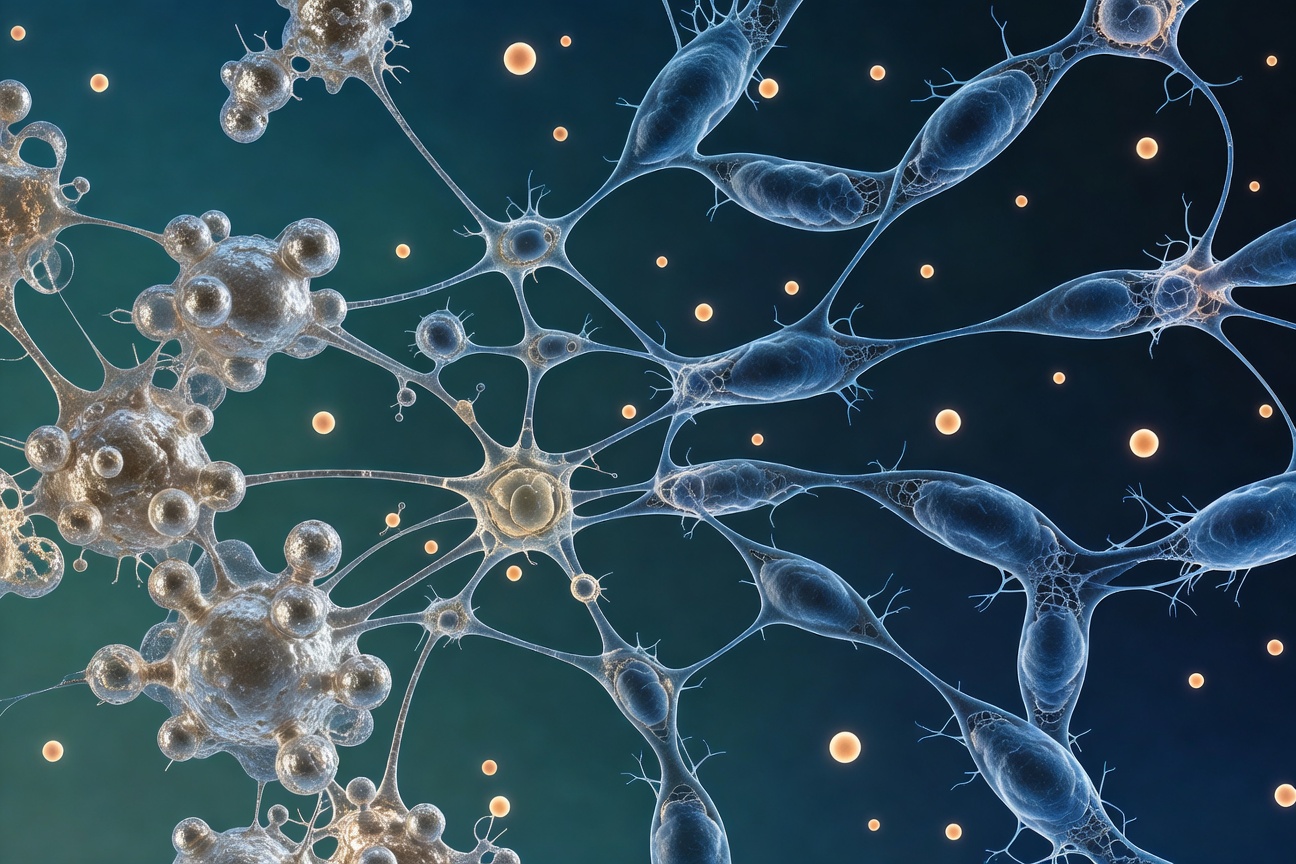
Their analysis focuses on hypothalamic neural circuits that regulate body temperature and metabolic rate in hibernating species like bears and ground squirrels. These animals demonstrate remarkable neuroprotection during months-long metabolic suppression, maintaining brain integrity despite oxygen levels that would typically cause irreversible damage in humans. The research identifies specific neurotransmitter pathways and temperature-sensing proteins that could potentially be pharmacologically targeted to induce similar states in humans.
While science fiction depicts hibernation as routine space travel technology, the biological reality presents substantial challenges for human application. Unlike natural hibernators, humans lack the evolved cellular protective mechanisms that prevent organ failure during extreme metabolic slowdown. Current research suggests that achieving safe human torpor would require pharmaceutical interventions to mimic these protective pathways, potentially involving adenosine modulators or synthetic hibernation-inducing compounds. The longevity implications are profound—if humans could safely enter reversible metabolic suspension, it could theoretically extend lifespan by reducing cumulative cellular aging during dormant periods. However, this remains highly speculative, requiring breakthroughs in neuroprotection and metabolic control that may take decades to achieve safely.