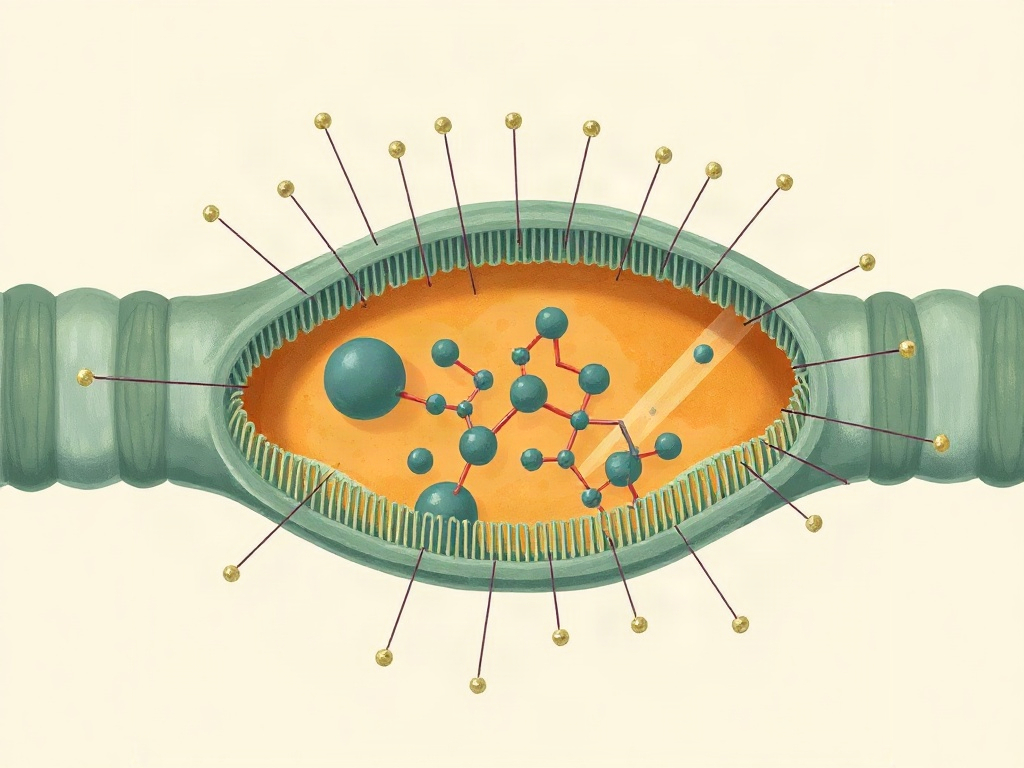
Urolithin A, produced when gut bacteria metabolize ellagitannins from pomegranates and berries, activates key longevity pathways including AMPK and sirtuins while triggering autophagy and mitochondrial quality control. Early human trials demonstrate enhanced muscle endurance and cardiometabolic health markers, particularly in elderly and sedentary populations, without adverse effects. This postbiotic represents a fascinating convergence of microbiome science and aging research. Unlike direct supplementation, UA production depends entirely on individual gut microbiota composition, creating dramatic person-to-person variability in benefits. The compound's ability to simultaneously target inflammation, cellular aging, and cancer pathways through mitochondrial optimization positions it as potentially transformative for healthspan extension. However, the field remains hampered by small trial sizes, inconsistent gut microbiome classifications, and the challenge of standardizing a compound whose production varies so dramatically between individuals. The therapeutic promise is substantial, but translating UA's mechanisms into reliable clinical interventions will require solving the personalized medicine puzzle of microbiome-dependent metabolism.
Urolithin A Activates AMPK, Sirtuins to Combat Cellular Aging Mechanisms
Primary reference: Molecular biology reports · View source ↗
Informational, non-clinical synthesis informed by published research. Not a clinical guideline or medical advice. May contain errors or editorial interpretation. Consult the original source and your physician.