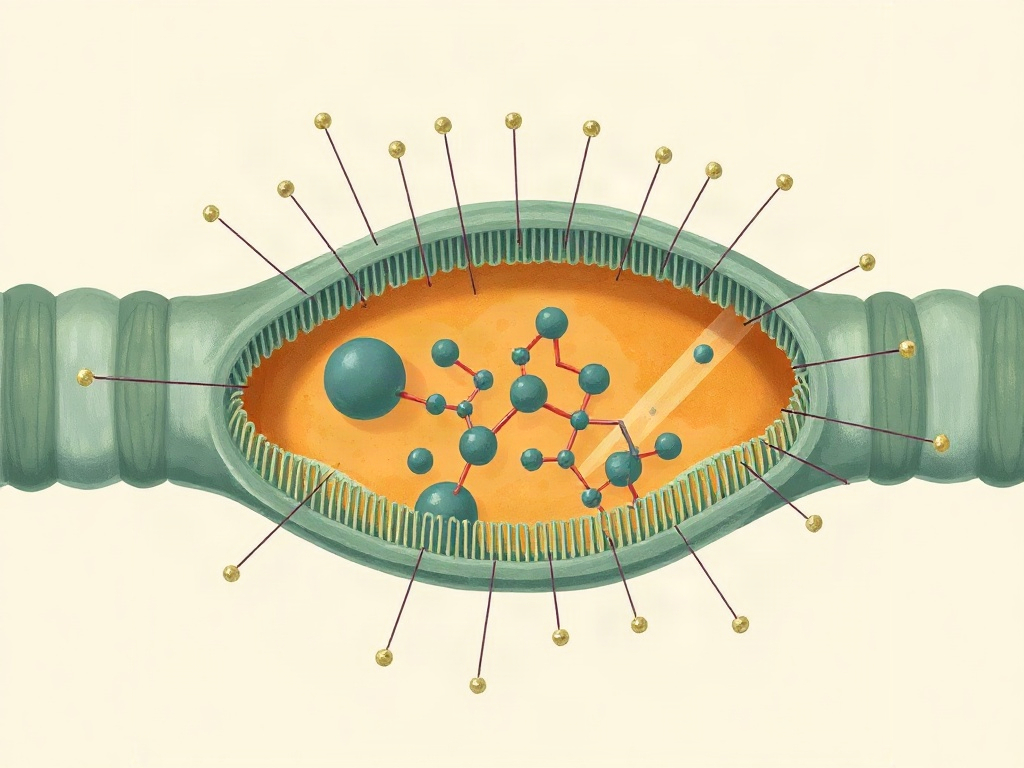
Machine learning models trained on gut microbiome data from 232 genetically diverse mice achieved 84% accuracy in predicting body weight and chronological age. High-fat diets reduced microbial diversity across all genetic backgrounds, altering over 300 bacterial species, while genetics and diet emerged as the primary drivers of microbiome composition over age alone. The study identified a mechanistic link between dietary fat, gut bacteria shifts, and host metabolism through the tryptophan pathway—specifically showing that reduced short-chain fatty acid-producing Lachnospiraceae bacteria correlated with increased Ido1 expression in gut tissue. This represents a significant advance in precision microbiome medicine, moving beyond correlational studies to predictive biomarker development. The 84% prediction accuracy for body weight suggests gut microbiome profiling could become a clinical tool for metabolic health assessment. However, translation from controlled mouse populations to human applications faces substantial hurdles given the complexity of human diet patterns, genetic diversity, and environmental exposures. The finding that microbial signatures can forecast aging with 95% accuracy when combined with liver protein data suggests multi-omics integration may be essential for clinical microbiome diagnostics, though cost and complexity remain barriers to widespread implementation.
Gut Microbiome in Mice Predicts Body Weight With AUC of 0.84
Primary reference: Microbiome · View source ↗
Informational, non-clinical synthesis informed by published research. Not a clinical guideline or medical advice. May contain errors or editorial interpretation. Consult the original source and your physician.