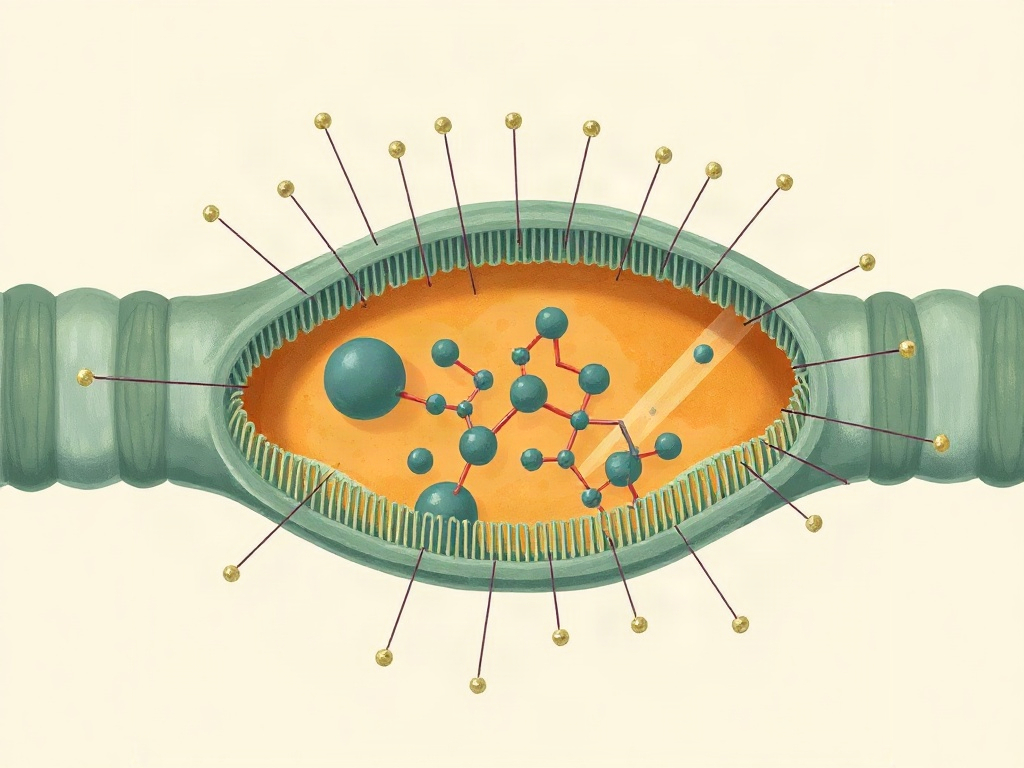
The traditional focus on neurons misses a critical driver of cognitive aging: the brain's support infrastructure is actively failing in predictable patterns. Rather than passive bystanders, microglia, astrocytes, and oligodendrocytes orchestrate much of the dysfunction we associate with brain aging, transforming from helpful maintenance crews into sources of inflammation and metabolic chaos.
Advanced single-cell analysis reveals these glial cells undergo distinct transformations during aging. Microglia abandon their protective surveillance duties, becoming inflammatory and dystrophic. Astrocytes lose their ability to support neuronal metabolism and blood-brain barrier function, shifting to reactive states that impair cognitive processing. Oligodendrocytes fail to maintain myelin sheaths, progressively degrading the white matter highways essential for rapid neural communication.
The vulnerability follows a geographic pattern that mirrors cognitive decline: hippocampus and prefrontal cortex—regions critical for memory and executive function—show pronounced glial dysfunction, while the cerebellum remains relatively spared. This regional selectivity suggests aging affects brain circuits in hierarchical fashion rather than uniformly.
At the molecular level, these support cells develop senescence-associated inflammatory profiles, mitochondrial dysfunction, and impaired cellular housekeeping mechanisms. The damage propagates through interconnected glial networks, amplifying dysfunction beyond individual cells. This represents a paradigm shift from viewing brain aging as primarily neuronal loss to understanding it as systemic failure of the brain's support ecosystem—offering new therapeutic targets for preserving cognitive function.