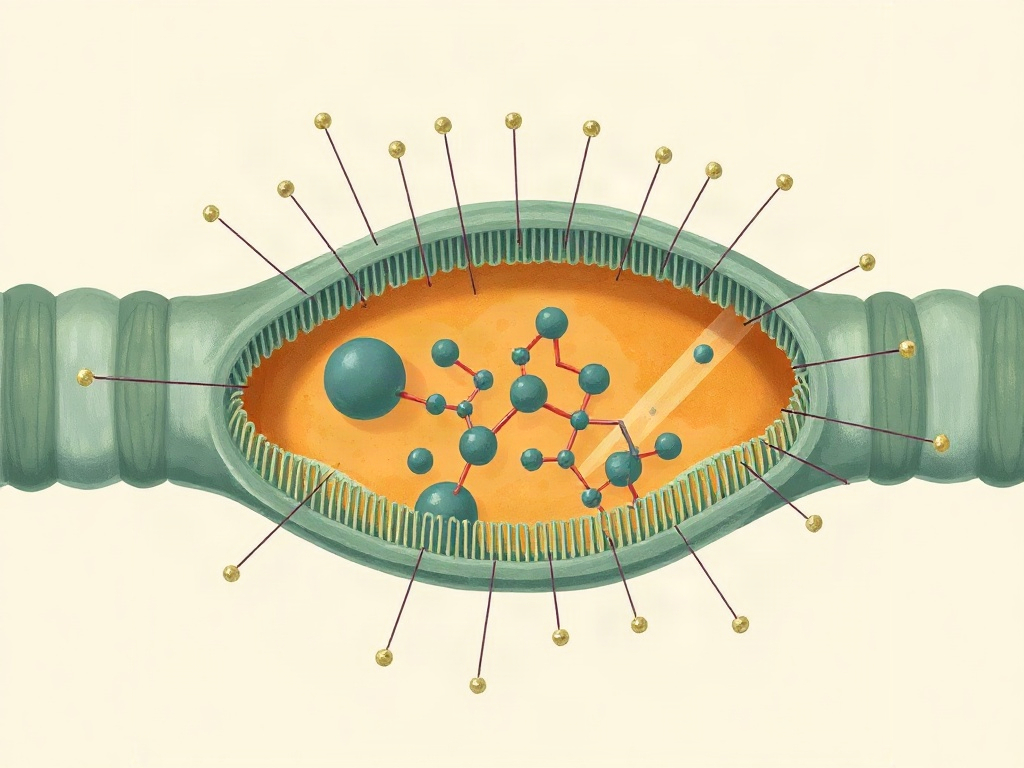
The puzzling observation that spinal discs age more slowly than surrounding tissues has yielded a breakthrough in understanding how oxygen levels regulate cellular aging. This discovery could reshape therapeutic approaches to age-related degeneration across multiple organ systems. The research reveals that intervertebral discs leverage their naturally low-oxygen environment to activate a specific autophagy pathway targeting HIF-1α, a protein that typically accumulates during aging and contributes to cellular dysfunction. When cells experience mild hypoxia, they selectively degrade this aging-associated protein through autophagy, effectively slowing the aging process. The team demonstrated this mechanism extends beyond spinal discs by developing a small molecule compound that mimics hypoxia-induced autophagy in well-oxygenated tissues. In mammalian studies, this intervention extended lifespan and improved age-related markers across multiple organ systems. This finding challenges the conventional view that oxygen deprivation is universally harmful to tissues. Instead, it suggests that controlled, mild hypoxia represents an evolutionarily conserved longevity mechanism. The therapeutic implications are significant, as many age-related diseases involve HIF-1α accumulation and impaired autophagy. However, the research highlights critical limitations in translating hypoxia-based interventions to humans, where oxygen levels vary dramatically between tissues and individuals. The small molecule approach offers a more practical pathway forward, though long-term safety data remains essential. This represents a paradigm shift from viewing aging as inevitable cellular decline to understanding it as a potentially modifiable process governed by oxygen-sensing pathways.
Oxygen-Starved Discs Reveal Autophagy Pathway That Slows Aging Across Tissues
Primary reference: Nature Aging · View source ↗
Informational, non-clinical synthesis informed by published research. Not a clinical guideline or medical advice. May contain errors or editorial interpretation. Consult the original source and your physician.