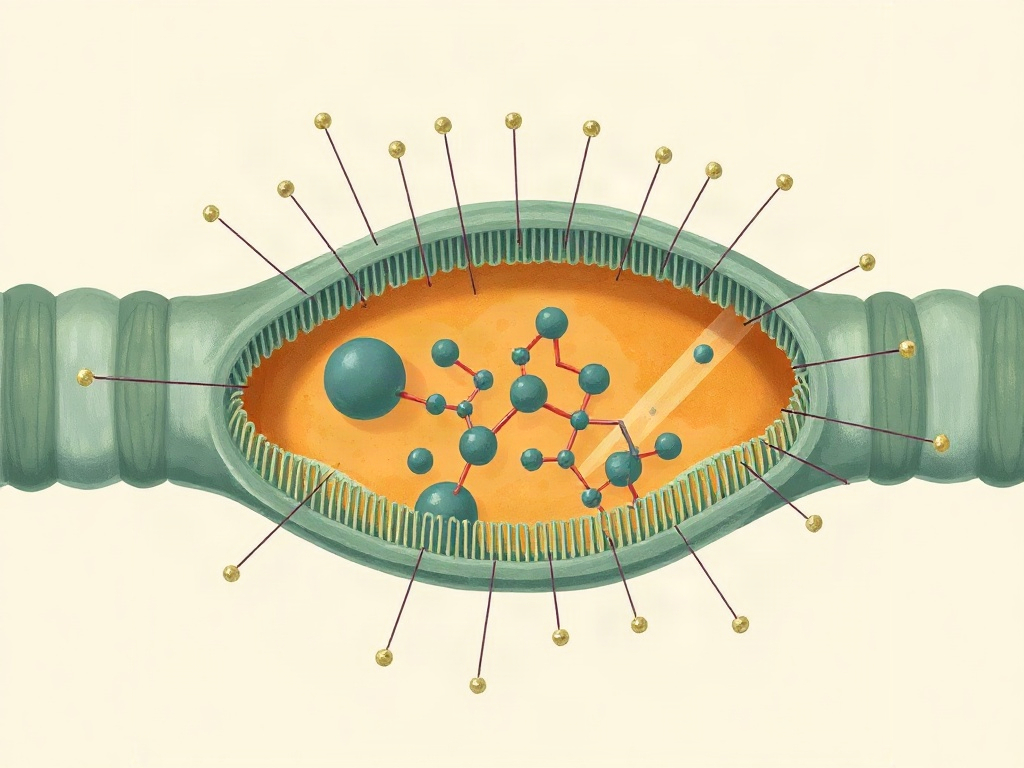
The physical stiffness of aging tissues may represent a previously underappreciated barrier to cellular renewal and healing. This finding challenges the conventional focus on biochemical factors in regenerative medicine by highlighting how mechanical properties fundamentally influence a cell's ability to repair and regenerate. Rather than viewing tissue rigidity as merely a consequence of aging, this research positions it as an active impediment to the body's restorative processes.
The investigation reveals that tissue compliance—the degree to which tissues can be mechanically deformed—directly correlates with regenerative potential across multiple organ systems. Softer tissue matrices appear to provide optimal mechanical cues that promote stem cell activation and tissue repair mechanisms. The research demonstrates measurable differences in regenerative capacity when comparing tissues of varying mechanical properties, suggesting that physical environment may be as critical as growth factors or cellular programming in determining healing outcomes.
This mechanical perspective on regeneration opens compelling therapeutic avenues that current anti-aging strategies largely ignore. If tissue stiffening represents a modifiable barrier to renewal, interventions targeting mechanical properties could complement existing approaches focused on cellular senescence or metabolic dysfunction. The implications extend beyond wound healing to fundamental questions about healthspan extension—perhaps maintaining tissue flexibility throughout life could preserve regenerative capacity well into advanced age. However, the complexity of tissue mechanics means practical applications will require sophisticated understanding of how to safely modify mechanical properties without compromising structural integrity. This represents early-stage research that will need extensive validation before clinical translation.