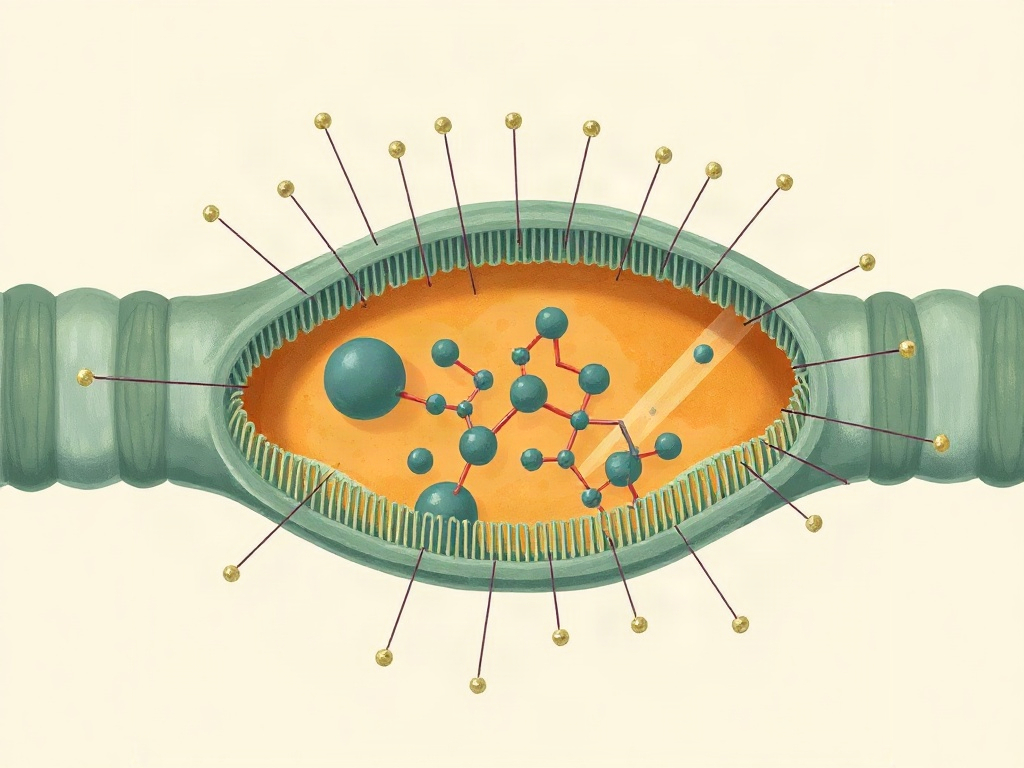
Korean red ginseng components demonstrated senomorphic activity in UV-damaged human keratinocytes, significantly reducing expression of senescence markers p16 and p21 while suppressing inflammatory cytokines IL-6, IL-8, and IL-1β. The compounds enhanced cell proliferation and restored differentiation markers through modulation of MAPK/JNK stress pathways, without triggering cell death. Critically, ginseng prevented the spread of aging signals to neighboring healthy cells in co-culture experiments. This senomorphic approach represents a sophisticated anti-aging strategy distinct from senolytics, which eliminate damaged cells entirely. While senolytics show promise for systemic aging interventions, senomorphics like these ginseng compounds may prove more suitable for topical skin applications where preserving cell structure matters. The findings align with emerging research suggesting that modulating cellular aging signals, rather than wholesale cell elimination, could offer more nuanced therapeutic benefits. However, this remains laboratory research using isolated skin cells under artificial conditions. Translation to real-world photoaging protection requires clinical validation, optimal compound concentration studies, and assessment of long-term safety in actual UV-exposed skin environments.
Red Ginseng Compounds Block UV-Induced Skin Cell Aging Signals
Primary reference: Journal of ginseng research · View source ↗
Informational, non-clinical synthesis informed by published research. Not a clinical guideline or medical advice. May contain errors or editorial interpretation. Consult the original source and your physician.