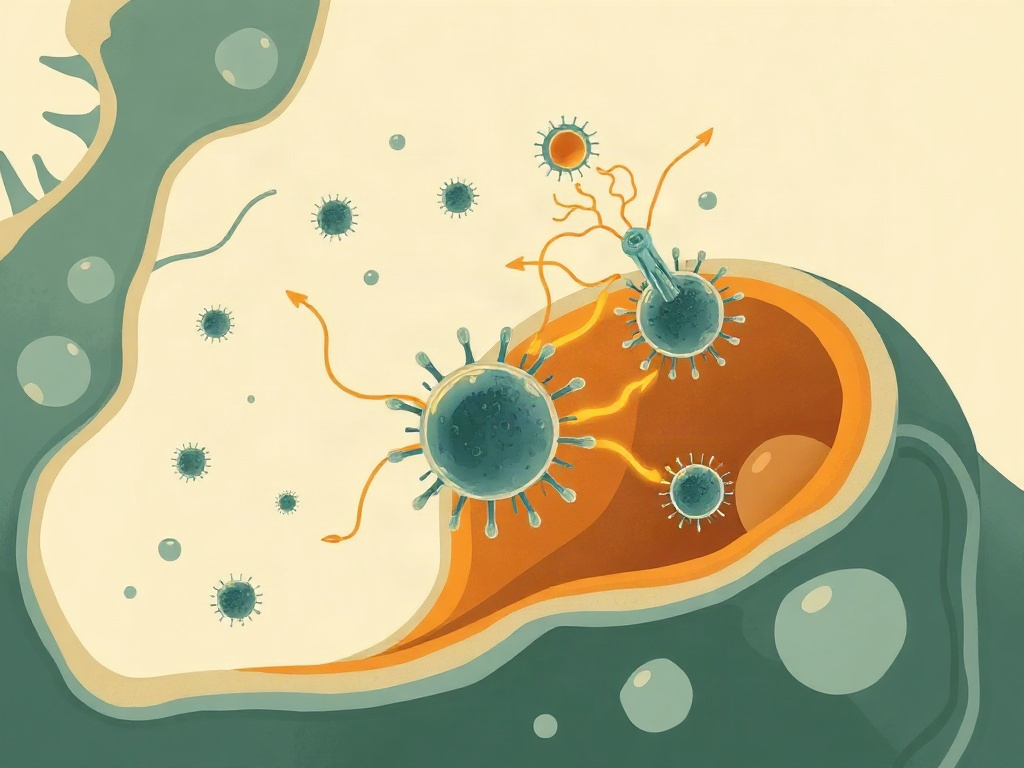
Scientists identified type H-like blood vessels as unexpected drivers of soft tissue aging, secreting CXCL12 protein that disrupts normal stem cell differentiation in muscles and tendons. Using tamoxifen-inducible mouse models, researchers demonstrated that these vessels infiltrate aging soft tissues alongside Coch+ cells, which promote further vascular invasion through ANG2/VEGF-A signaling pathways. When researchers blocked either the vessels or the ANG2/VEGF-A signaling, they observed delayed soft tissue aging and improved locomotor function in aging mice. This discovery challenges the conventional understanding that reduced blood flow drives tissue aging. Instead, it reveals that specific types of aberrant vascular infiltration can accelerate degeneration. The findings open therapeutic avenues previously unexplored in aging research. Unlike bone aging where vascular loss is problematic, soft tissue aging appears driven by inappropriate vascular invasion that hijacks cellular programs. This mechanism could explain why age-related sarcopenia and tendon degeneration progress differently than bone loss. The work suggests that targeting vascular remodeling, rather than simply promoting blood flow, may be crucial for maintaining soft tissue function during aging. However, translation to humans requires validation of similar vascular patterns in aging human tissues.
Type H-like Blood Vessels Drive Soft Tissue Aging Through CXCL12 Signaling
Primary reference: Nature communications · View source ↗
Informational, non-clinical synthesis informed by published research. Not a clinical guideline or medical advice. May contain errors or editorial interpretation. Consult the original source and your physician.