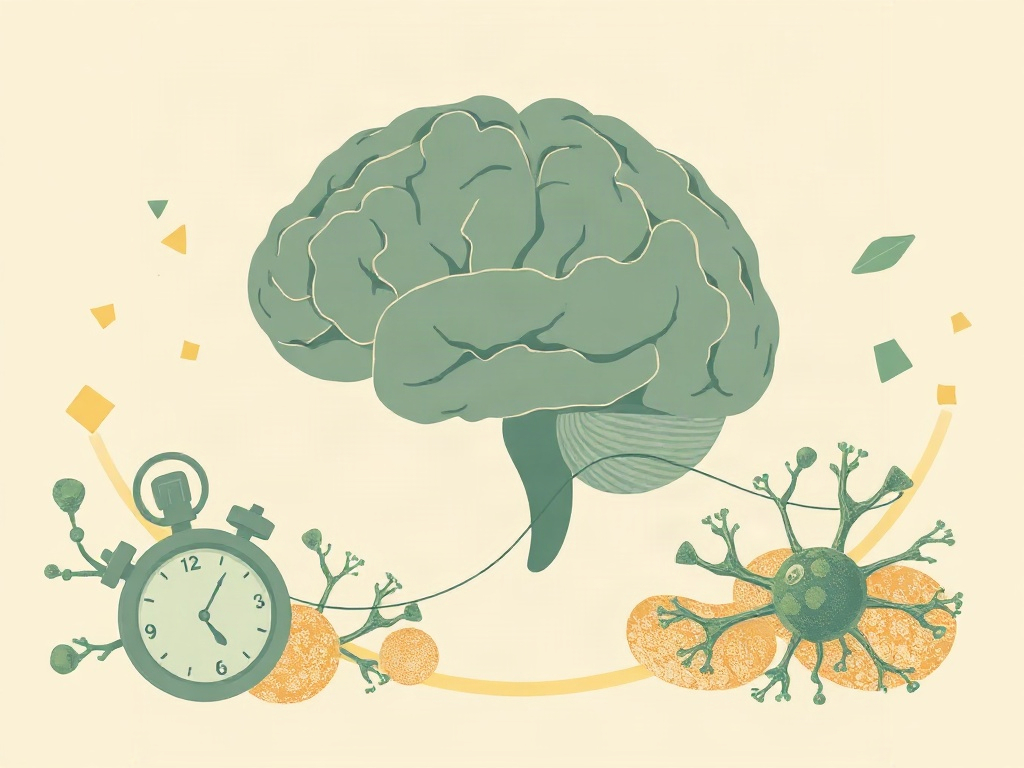
Understanding how the body converts stored fat into heat could revolutionize approaches to metabolic health and weight management. This discovery reveals a previously unknown cellular mechanism that helps explain why some people naturally burn more calories when exposed to cold temperatures. Researchers have identified a protein called Feimin that acts as a crucial bridge between cellular energy sensors and the genetic machinery that controls heat production in fat cells. When temperatures drop, Feimin helps orchestrate the transformation of white fat cells into metabolically active brown-like fat that burns calories to generate warmth rather than storing energy. The protein appears to coordinate multiple cellular pathways, linking energy-sensing mechanisms directly to transcriptional programs that boost thermogenesis. This represents a significant advance in understanding adaptive thermogenesis, the body's natural defense against weight gain through increased heat production. The finding fills a critical knowledge gap about how cellular energy detection translates into nuclear gene expression changes that drive fat burning. From a practical standpoint, this research could inform new therapeutic strategies for metabolic disorders and obesity. However, this appears to be early-stage mechanistic research, likely conducted in cell cultures or animal models. The clinical relevance for humans remains to be established through larger studies. While promising, translating these findings into practical interventions will require extensive additional research to determine safety, efficacy, and optimal targeting approaches. The discovery nonetheless advances fundamental understanding of how the body regulates energy expenditure and could eventually contribute to more sophisticated metabolic therapies.
Novel Protein Feimin Drives Fat Cell Heat Production Against Cold
Primary reference: PNAS · View source ↗
Informational, non-clinical synthesis informed by published research. Not a clinical guideline or medical advice. May contain errors or editorial interpretation. Consult the original source and your physician.