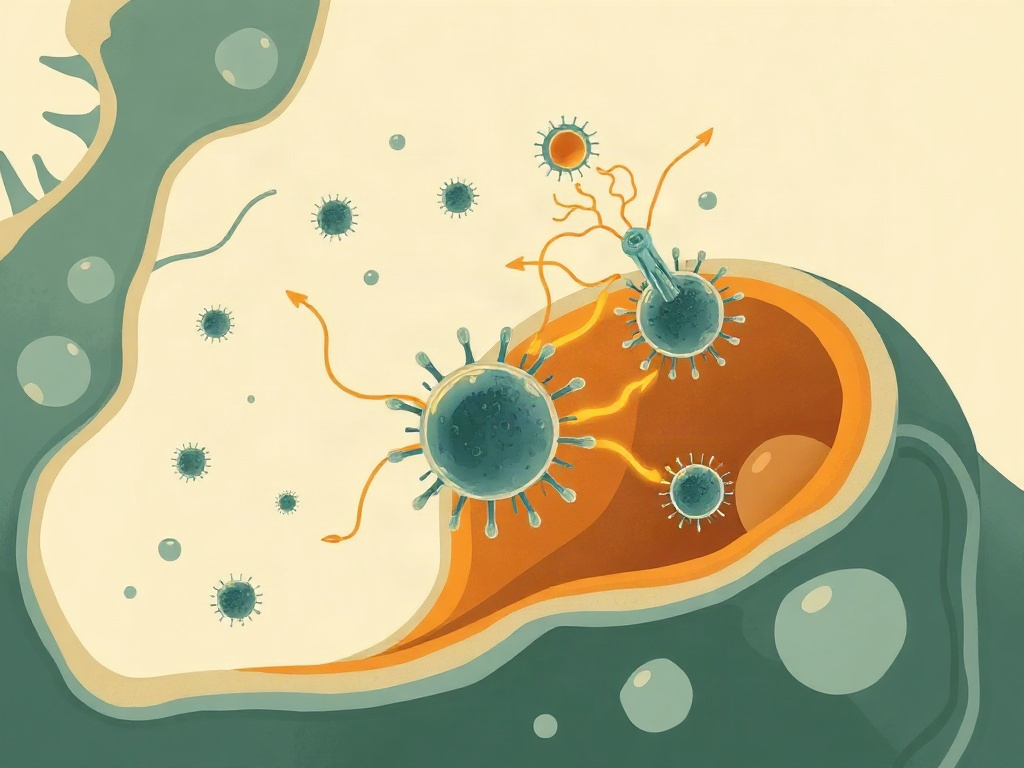
Aging fundamentally disrupts the intestinal immune system through a cascade of interconnected changes. Aged mice showed decreased tight junction proteins (Occludin, Tricellulin), elevated inflammatory markers (IL-1β, TNF-α), and critically, impaired M cell function with downregulated Gp2 and Ccl28 genes. The microbiome shifted toward inflammatory species like Desulfovibrio, while beneficial immune responses declined, including reduced fecal IgA and fewer naïve T helper cells. This research illuminates a previously underexplored aspect of immunosenescence: how specialized follicle-associated epithelial cells become compromised with age. M cells serve as sentinels, sampling antigens from the gut lumen and presenting them to immune cells. Their dysfunction could explain why elderly individuals face higher infection rates and reduced vaccine responses. The bidirectional relationship between inflammatory bacteria and immune cell deterioration suggests a self-reinforcing cycle of intestinal aging. While this mouse study provides mechanistic insights, translating these findings to humans requires validation in elderly cohorts. The identification of specific bacterial taxa and gene expression patterns offers potential targets for microbiome-based interventions, though the complexity of age-related immune changes suggests that restoring youthful gut immunity will require multifaceted approaches beyond simple probiotic supplementation.
Aging Gut Bacteria Trigger M Cell Dysfunction, Compromising Immune Defense
Primary reference: Aging cell · View source ↗
Informational, non-clinical synthesis informed by published research. Not a clinical guideline or medical advice. May contain errors or editorial interpretation. Consult the original source and your physician.