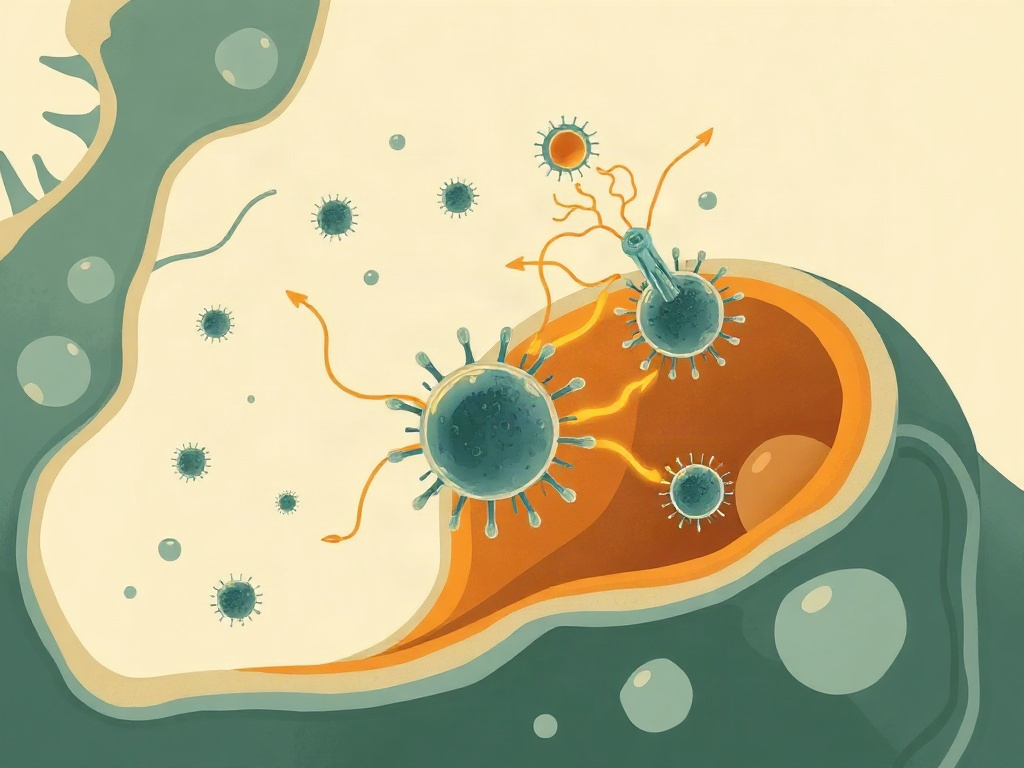
The brain's remarkable ability to generate new neurons throughout adulthood may hold keys to understanding why some people maintain cognitive sharpness while others succumb to neurodegeneration. This capacity, once thought impossible in mature brains, occurs in specialized regions like the hippocampus and could represent an untapped reservoir for brain repair.
This comprehensive analysis reveals how Alzheimer's and Parkinson's diseases systematically dismantle the brain's neurogenesis machinery. Pathological proteins including β-amyloid, tau, and α-synuclein create toxic environments that prevent new neurons from forming, maturing, and integrating into existing circuits. Chronic inflammation and mitochondrial dysfunction further compound these effects, creating a cascade where the brain loses its regenerative capacity precisely when it needs it most.
The implications extend beyond basic neuroscience into actionable territory. Unlike genetic factors that remain fixed, neurogenesis responds to modifiable lifestyle interventions. Physical exercise and anti-inflammatory dietary compounds can stimulate new neuron production even in aging brains. However, the therapeutic challenge runs deeper than simply generating more neurons—newly formed cells must survive, mature properly, and form functional connections.
This represents a paradigm shift from viewing neurodegeneration as purely destructive to recognizing it as a failure of regenerative systems. While current treatments focus on slowing disease progression, targeting neurogenesis could potentially restore lost function. The complexity lies in timing interventions before pathological proteins overwhelm the system, suggesting prevention strategies may prove more effective than late-stage interventions.