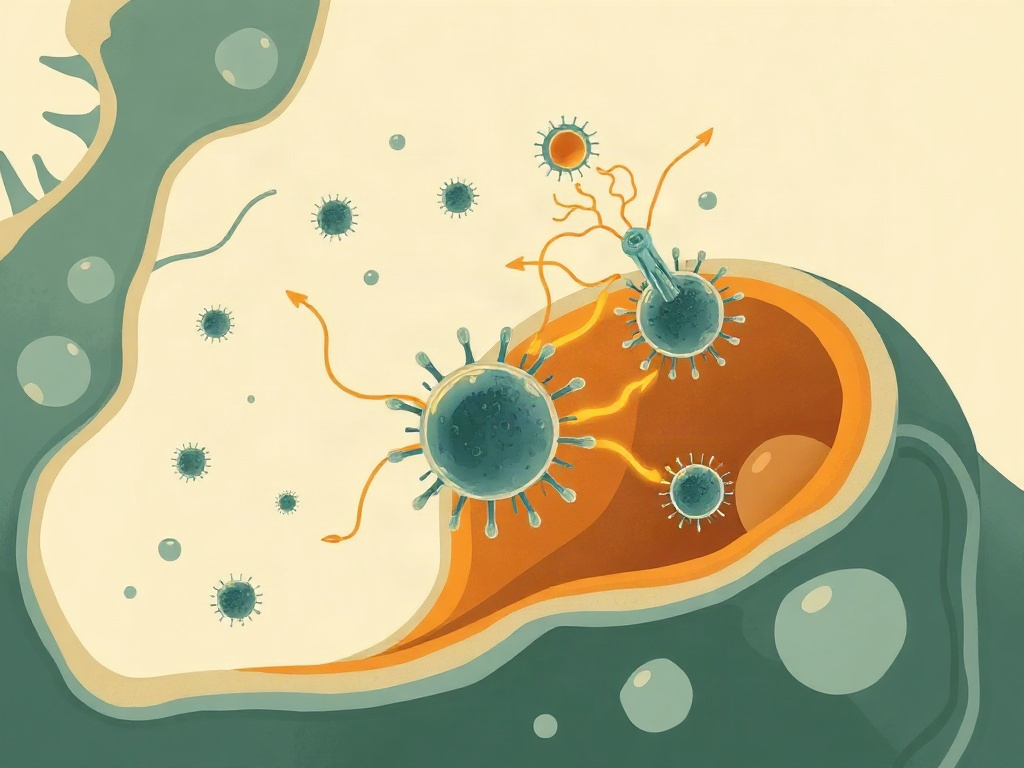
Auckland researchers propose a three-compound framework targeting mitochondrial dysfunction—a core hallmark of aging. Their tri-axis model combines nicotinamide mononucleotide/nicotinamide riboside (NMN/NR) for NAD+ restoration, pyrroloquinoline quinone (PQQ) for mitochondrial biogenesis, and l-ergothioneine (EGT) for redox protection. The framework addresses how declining NAD+ availability, impaired organelle renewal, and oxidative stress create interconnected feedback loops that resist single-pathway interventions. This systems approach recognizes that mitochondrial aging involves complex interdependencies rather than isolated defects. The conceptual framework represents a significant departure from traditional supplement strategies that target single pathways. By addressing metabolic capacity, organelle renewal, and redox balance simultaneously, this approach could potentially overcome the limitations seen with individual NAD+ precursors or antioxidants alone. However, this remains theoretical—while each compound has standalone research support, clinical evidence for synergistic effects is still emerging. The model's strength lies in its mechanistic coherence, but practical dosing protocols and long-term safety profiles for combination therapy need rigorous clinical validation before mainstream adoption.
Three-compound framework targets mitochondrial aging through NAD+ and antioxidant pathways
Primary reference: Redox biology · View source ↗
Informational, non-clinical synthesis informed by published research. Not a clinical guideline or medical advice. May contain errors or editorial interpretation. Consult the original source and your physician.