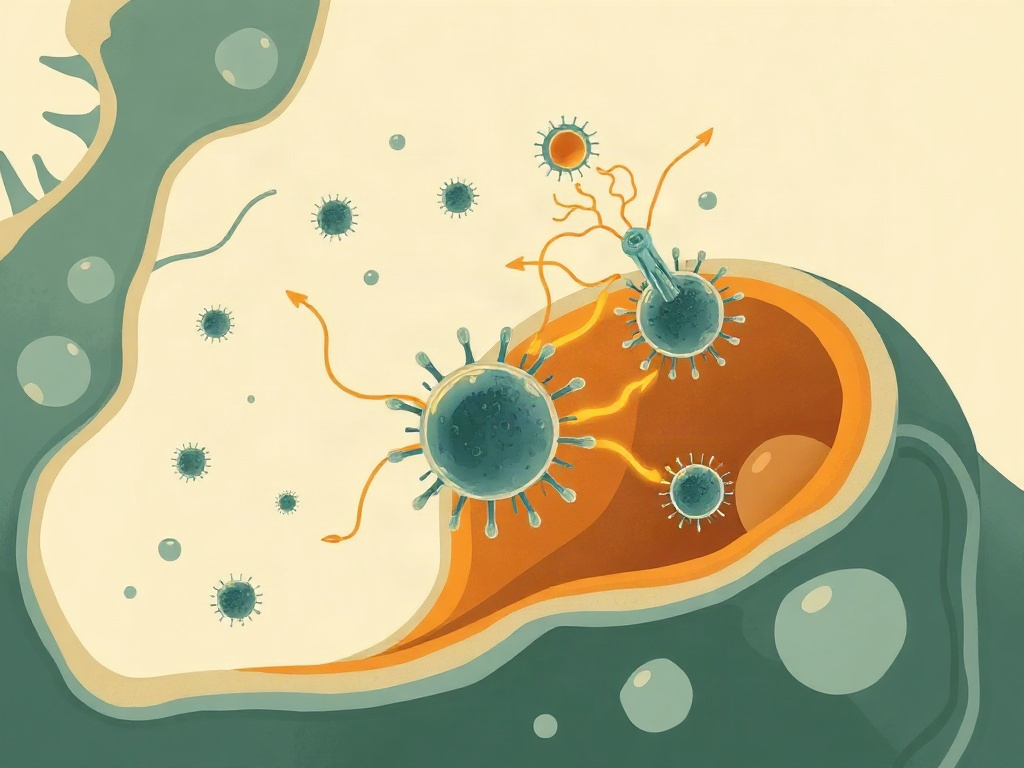
This comprehensive review identifies how myofibroblasts expressing periostin, tenascin C, thrombospondin, and osteopontin drive cardiac fibrosis through a complex interplay of immune activation, sympathetic hyperactivity, and gut microbiota dysregulation. The analysis reveals that autonomic nervous system dysfunction amplifies peripheral inflammation while disrupted gut bacteria contribute to myofibroblast activation in failing hearts. This mechanistic framework represents a significant conceptual advance beyond traditional cardiovascular risk factors by integrating the gut-brain-heart axis into heart failure pathogenesis. The implications are profound for precision medicine approaches, suggesting that targeting the vagus nerve through stimulation, modulating gut microbiota composition, or using epigenetic modulators could prevent fibrosis before irreversible myocyte loss occurs. The timing is particularly relevant given increased cardiovascular risk post-COVID-19, where cytokine storms may have primed these pathways. While promising, the review format limits assessment of specific therapeutic efficacy. The integration of established treatments like SGLT2 inhibitors and Mediterranean diet with these novel mechanisms offers immediate translational potential, potentially explaining why some patients respond better to current therapies through previously unrecognized neuroimmune modulation.
Gut Microbiota and Vagus Nerve Drive Heart Fibrosis Through Myofibroblasts
Primary reference: Cardiovascular research · View source ↗
Informational, non-clinical synthesis informed by published research. Not a clinical guideline or medical advice. May contain errors or editorial interpretation. Consult the original source and your physician.