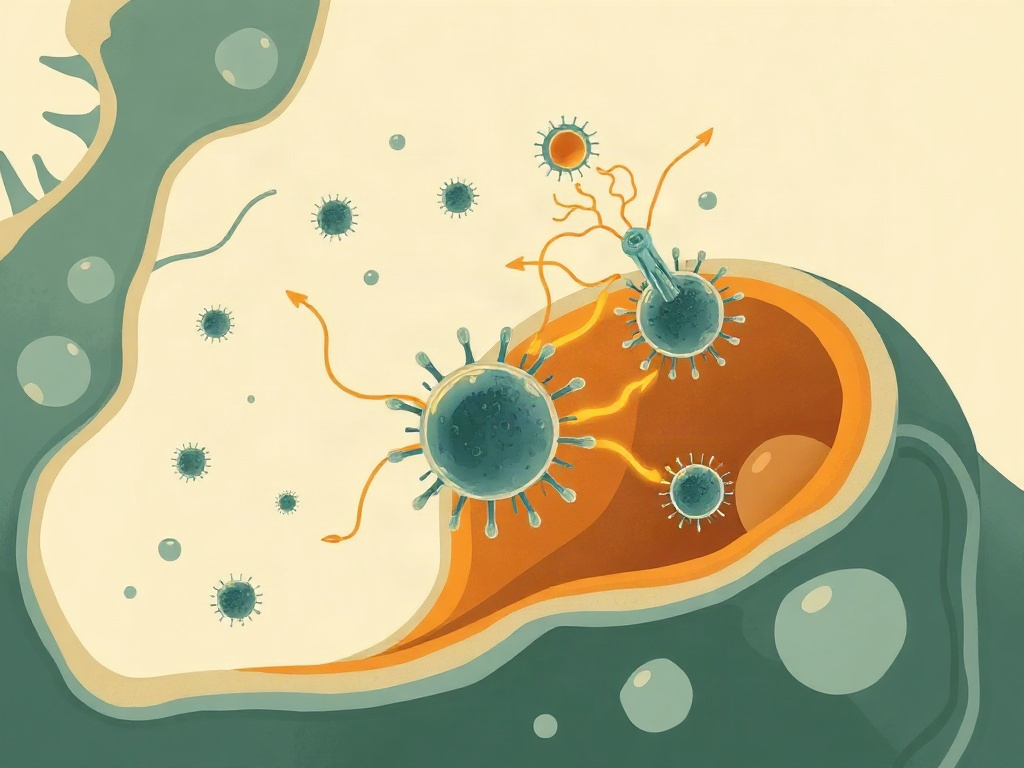
The mystery of why some individuals reach 100 years while maintaining remarkable health may lie in their ability to preserve immune function that typically deteriorates with age. This preservation becomes increasingly pronounced in the oldest humans—those reaching 105-110 years show immune profiles strikingly similar to people decades younger. The key insight centers on centenarians' apparent mastery over inflammatory control mechanisms. Their immune systems demonstrate reduced activation of the NLRP3 inflammasome, a protein complex that drives chronic inflammation and accelerates aging. Additionally, these exceptional individuals maintain enhanced autophagy—the cellular cleanup process that removes damaged components—while exhibiting a restrained senescence-associated secretory phenotype that limits harmful inflammatory signaling. Comprehensive molecular analyses reveal that centenarians possess transcriptomic patterns in circulating immune cells that mirror those of younger adults, alongside beneficial alterations in gut microbiome composition that support immune balance. The adaptive immune system, typically compromised by immunosenescence, remains surprisingly functional in this population. This coordinated preservation extends across both innate and adaptive immune compartments, suggesting multiple interacting pathways contribute to their longevity advantage. For aging research, these findings illuminate potential therapeutic targets beyond simple inflammation reduction. The centenarian model suggests that successful aging requires maintaining immune homeostasis through multiple mechanisms rather than addressing individual pathways. While genetic factors likely contribute to centenarians' exceptional immune preservation, understanding these mechanisms could inform interventions to enhance healthspan in broader populations facing age-related immune decline.
Centenarians Maintain Youth-Like Immune Function Through Inflammasome Control
Primary reference: Nature reviews. Immunology · View source ↗
Informational, non-clinical synthesis informed by published research. Not a clinical guideline or medical advice. May contain errors or editorial interpretation. Consult the original source and your physician.