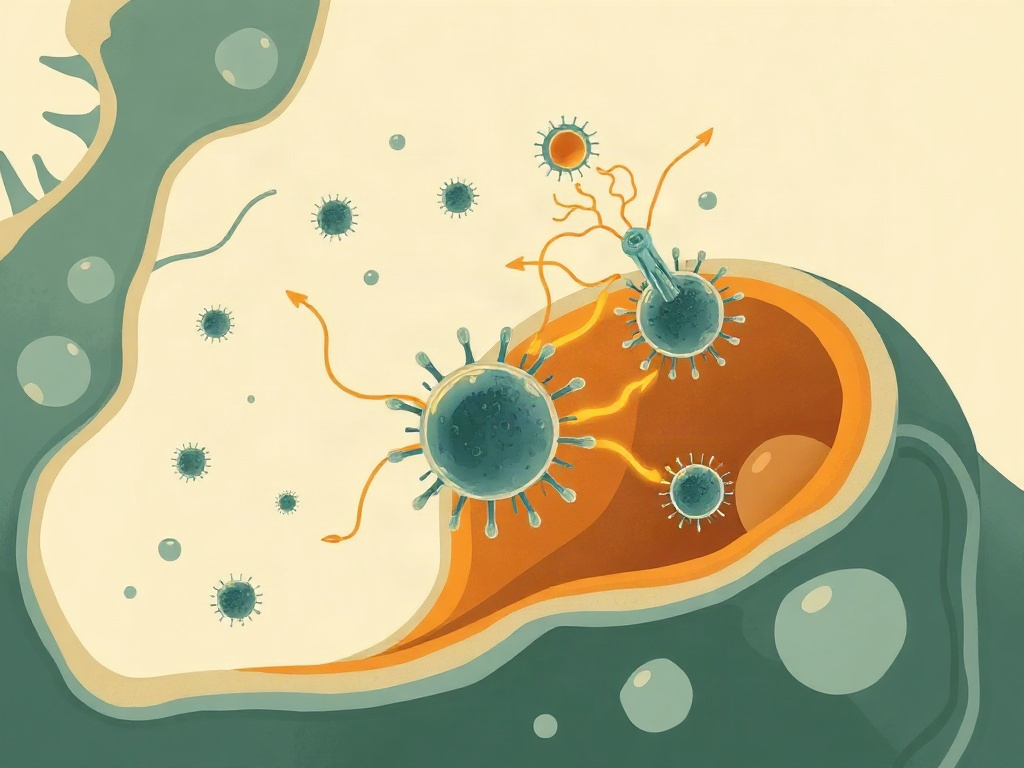
Cellular energy allocation represents one of biology's fundamental optimization problems, particularly when multiple biosynthetic pathways compete for the same molecular building blocks. This discovery reveals how cells solve a critical metabolic bottleneck affecting compounds essential for human health and longevity. The research identifies PTR1, a ubiquitin ligase enzyme, as a master coordinator controlling the production balance between carotenoids, sterols, and lipids in eukaryotic cells. All three compound classes derive from acetyl-CoA precursors, creating natural competition for limited cellular resources. PTR1 appears to function as a metabolic traffic controller, determining which biosynthetic pathways receive priority access to these shared molecular ingredients. The yeast Xanthophyllomyces dendrorhous served as the model system, chosen because it naturally produces astaxanthin, a potent carotenoid with demonstrated anti-aging properties. Understanding this regulatory mechanism could prove transformative for optimizing carotenoid production, whether in dietary supplements or therapeutic applications. Carotenoids like astaxanthin demonstrate powerful antioxidant effects that may slow cellular aging processes, while sterols include cholesterol and related compounds critical for membrane function and hormone synthesis. The PTR1 system represents a conserved regulatory mechanism likely present across many eukaryotic species, suggesting broad applicability. This finding challenges the assumption that cellular metabolism operates through independent pathways, instead revealing sophisticated coordination systems. For longevity research, the implications extend beyond individual compounds to understanding how cells balance competing metabolic demands. Future therapeutic interventions might target similar regulatory nodes to enhance beneficial compound production while maintaining cellular homeostasis.
Ubiquitin Ligase PTR1 Controls Cellular Balance of Carotenoids and Sterols
Primary reference: PNAS · View source ↗
Informational, non-clinical synthesis informed by published research. Not a clinical guideline or medical advice. May contain errors or editorial interpretation. Consult the original source and your physician.