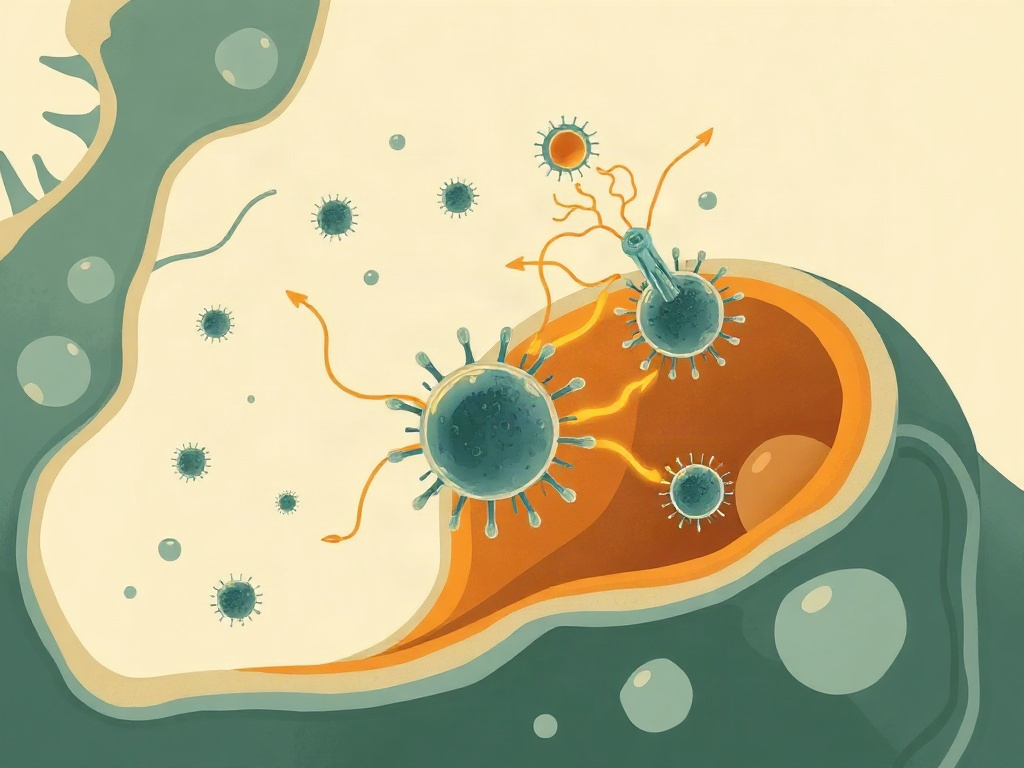
Understanding how DNA organizes itself within chromosomes has profound implications for aging research, as chromosomal integrity directly impacts cellular senescence and genomic stability throughout the human lifespan. This mechanistic insight into cohesin function could illuminate why DNA organization deteriorates with age. The research demonstrates that the cohesin protein complex employs two distinct regulatory mechanisms to control chromosomal architecture. Acetylation modifications govern sister chromatid cohesion—the process that holds duplicated chromosomes together during cell division. Meanwhile, ATPase enzymatic activity independently regulates chromatin loop formation, the three-dimensional folding patterns that control gene expression. These dual pathways operate through separate molecular switches within the same protein complex, revealing unexpected regulatory sophistication. This finding challenges the prevailing model that cohesin functions through a single unified mechanism. Instead, the complex acts more like a molecular Swiss Army knife, with specialized tools for different chromosomal maintenance tasks. The separation of cohesion and looping functions suggests cells can fine-tune chromosome organization and gene expression independently, providing greater regulatory precision. For longevity research, this mechanistic clarity offers promising therapeutic targets. Age-related decline in cohesin function contributes to chromosomal instability, a hallmark of cellular aging. Understanding these distinct regulatory pathways could enable targeted interventions to maintain chromosomal integrity longer. The research also explains how cohesin mutations cause developmental disorders like Cornelia de Lange syndrome—different mutations likely disrupt either cohesion or looping functions selectively. While conducted in model organisms, these fundamental mechanisms are highly conserved across species, suggesting direct relevance to human aging biology and potential therapeutic applications.
Cohesin Protein Complex Controls DNA Architecture Through Dual Regulatory Mechanisms
Primary reference: Proceedings of the National Academy of Sciences · View source ↗
Informational, non-clinical synthesis informed by published research. Not a clinical guideline or medical advice. May contain errors or editorial interpretation. Consult the original source and your physician.