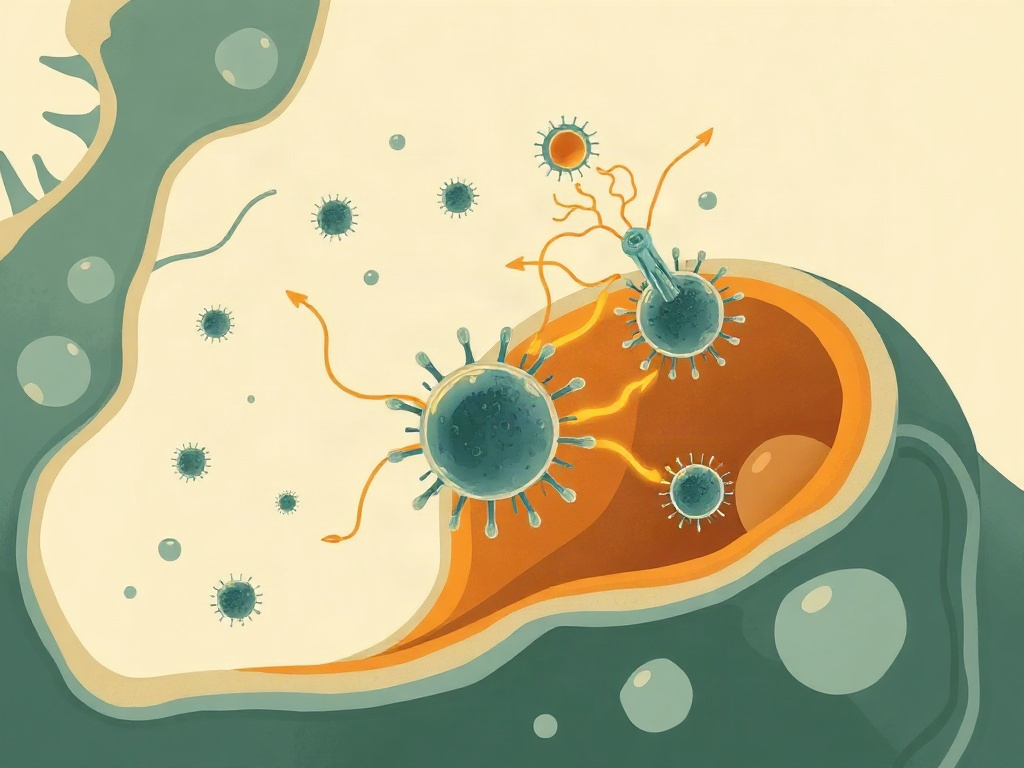
The cellular machinery that converts genes into functional proteins faces a previously underappreciated threat that could accelerate aging and disease progression. While scientists have long focused on DNA damage from oxidative stress, the parallel destruction of RNA molecules during gene transcription may prove equally consequential for cellular health and longevity. New structural analysis reveals how oxidized ribonucleotides—the damaged building blocks of RNA—become incorporated during transcription, creating defective RNA molecules that compromise protein synthesis. The research demonstrates that oxidative stress doesn't just damage existing RNA; it corrupts the very process of making new RNA by contaminating the cellular pool of ribonucleotides with oxidized variants. When RNA polymerase encounters these damaged components, it incorporates them into growing RNA chains, creating structurally compromised transcripts. This mechanism represents a direct pathway from environmental oxidative stress to functional cellular decline. The finding bridges a critical gap in understanding how oxidative damage translates into the hallmarks of aging. Unlike DNA damage, which cells can repair before replication, transcriptional incorporation of oxidized ribonucleotides creates immediate functional consequences since RNA molecules are used directly for protein synthesis. This suggests that antioxidant strategies and interventions targeting ribonucleotide pool integrity could be more immediately beneficial than previously recognized. The research provides molecular-level evidence for why oxidative stress accelerates aging across multiple organ systems. However, the study appears limited to structural characterization rather than demonstrating real-world consequences in living systems. The practical implications for longevity interventions remain to be validated through cellular and organismal studies examining whether protecting ribonucleotide pools can meaningfully extend healthspan.
Oxidized RNA Building Blocks Disrupt Gene Transcription Through Structural Damage
Primary reference: Proceedings of the National Academy of Sciences · View source ↗
Informational, non-clinical synthesis informed by published research. Not a clinical guideline or medical advice. May contain errors or editorial interpretation. Consult the original source and your physician.