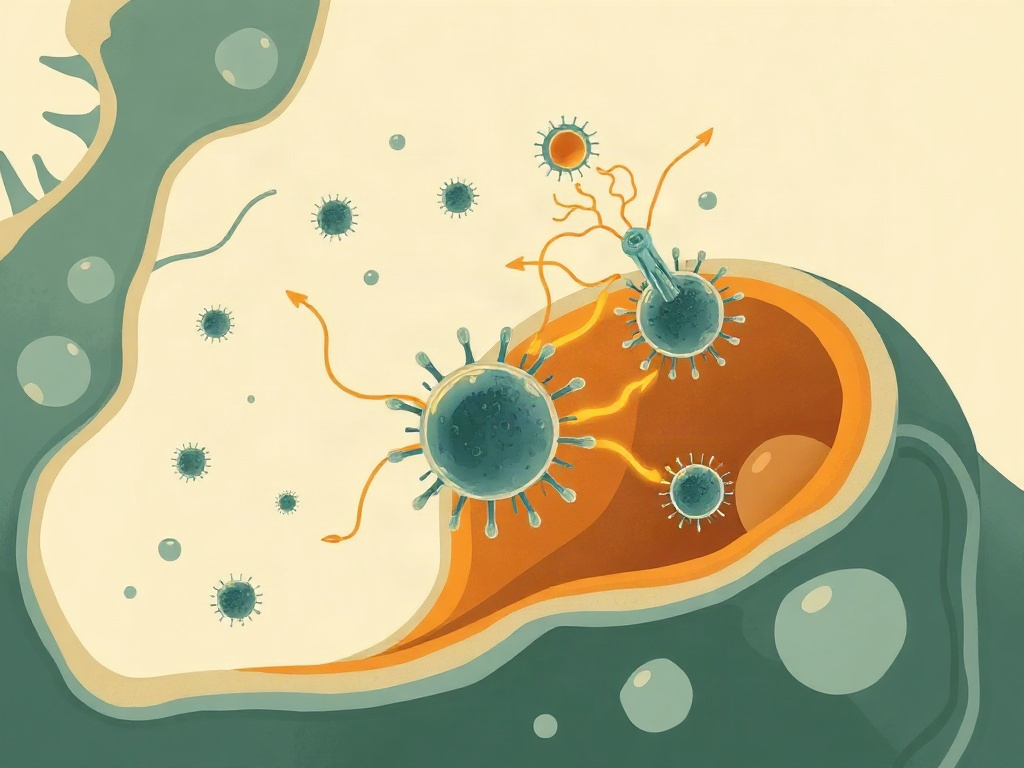
Dasatinib plus quercetin (DQ) restored normal estrous cycles in 60% of mice with chemotherapy-induced ovarian failure, compared to just 15% recovery without treatment. The senolytic combination cleared senescent cells that accumulated after cyclophosphamide exposure, normalized sex hormone levels, and increased follicle numbers across all developmental stages. RNA analysis revealed DQ upregulated Pagr1a while suppressing senescence-promoting genes like Itgb3 and Wnt10b. This represents a potential breakthrough for the estimated 25,000-40,000 young women annually who develop premature ovarian insufficiency from cancer treatments. Current fertility preservation options are limited to egg/embryo freezing before treatment, leaving most patients without recourse once ovarian damage occurs. The senolytic approach addresses a root cause rather than just symptoms, potentially offering hope for restoring natural fertility. However, the study's mouse model limitations mean human trials are essential. The mechanism—that chemotherapy creates senescent cells whose inflammatory secretions damage remaining healthy follicles—opens new therapeutic pathways. If replicated in humans, this could transform oncofertility care by providing post-treatment intervention options for cancer survivors seeking to preserve reproductive function.
Dasatinib-Quercetin Combination Restores Fertility in Chemotherapy-Damaged Ovaries
Primary reference: European journal of histochemistry : EJH · View source ↗
Informational, non-clinical synthesis informed by published research. Not a clinical guideline or medical advice. May contain errors or editorial interpretation. Consult the original source and your physician.