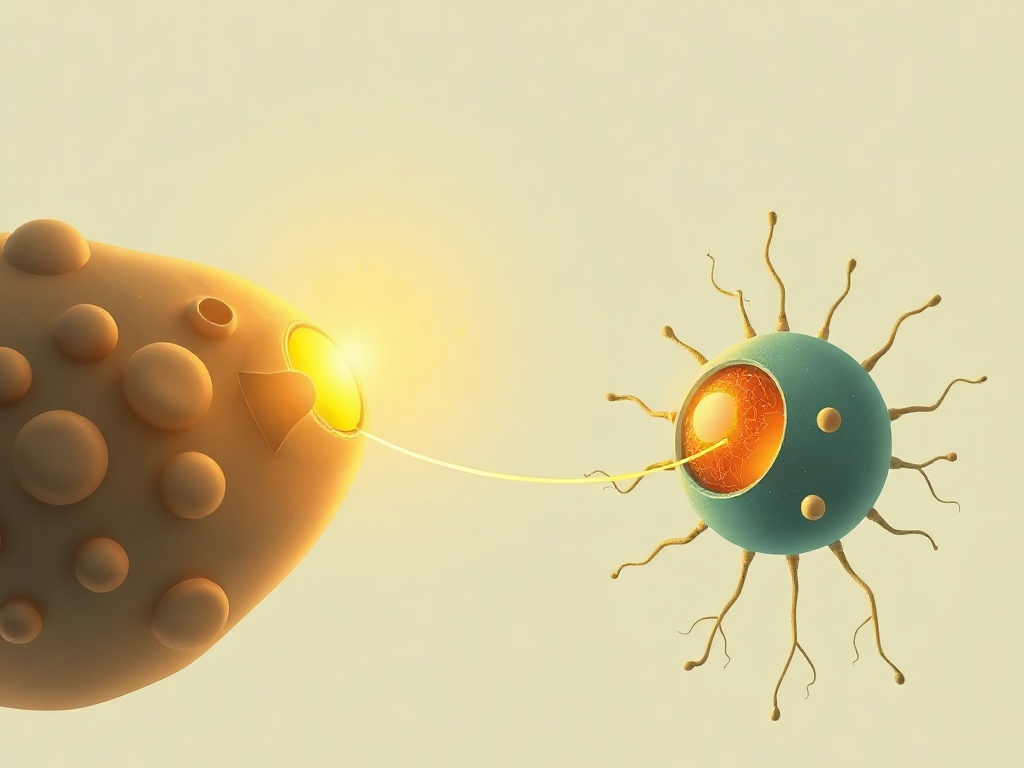
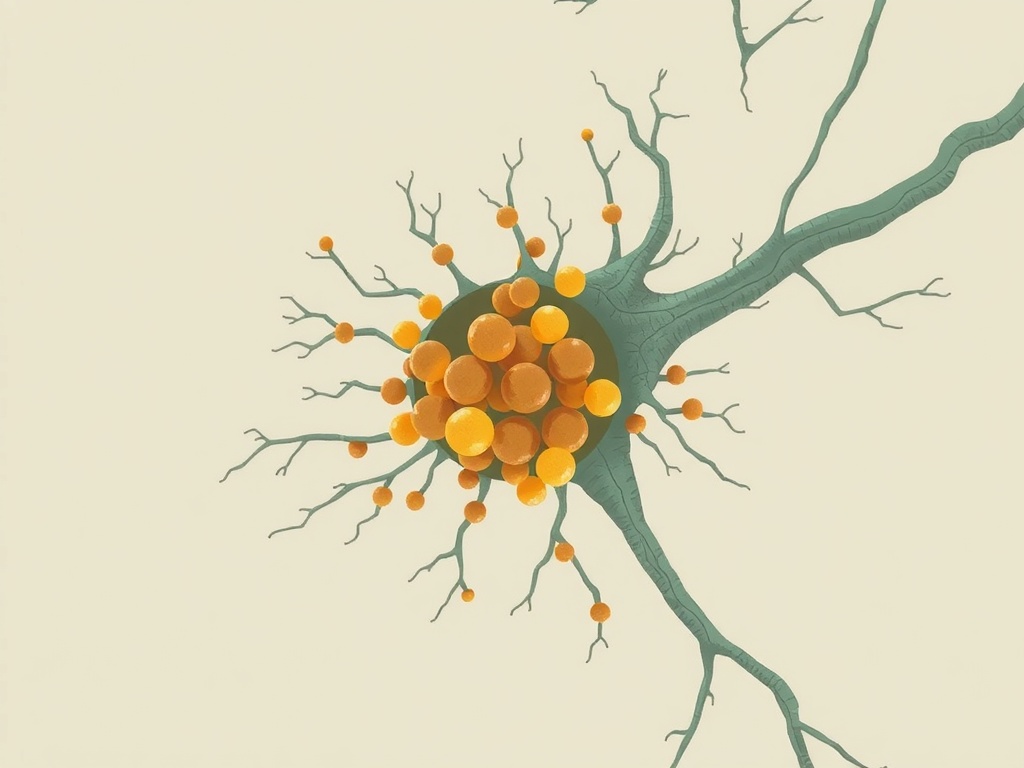
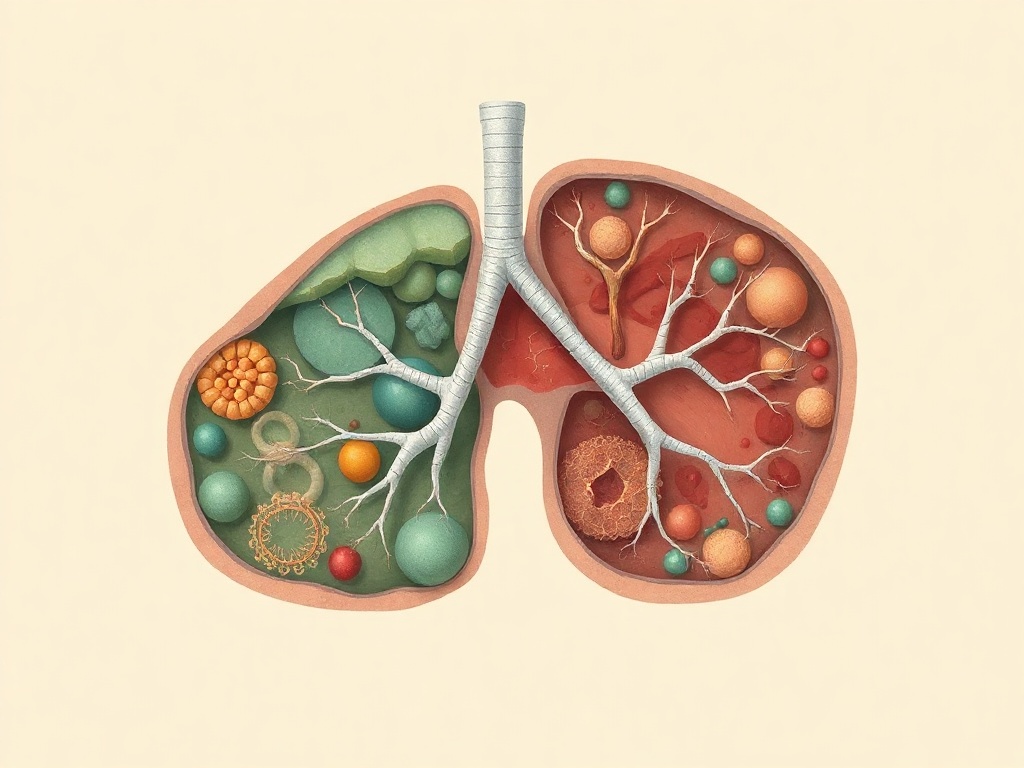
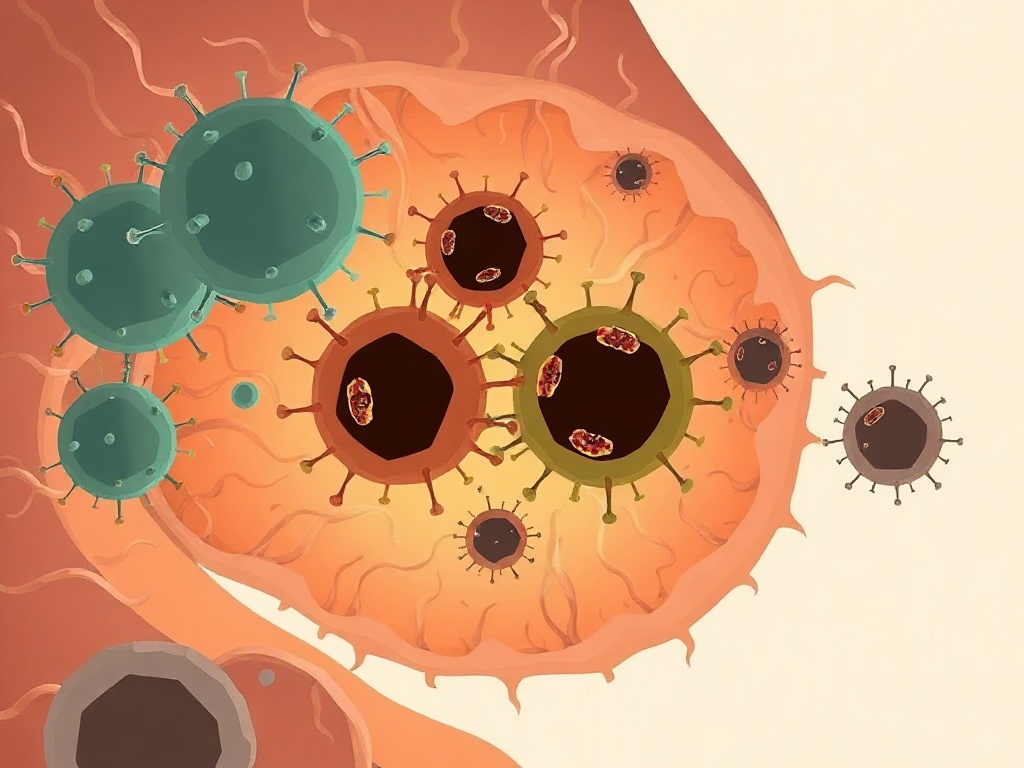
Understanding how excess body weight fuels cancer development has become critical as obesity rates climb globally, affecting millions who remain unaware of their elevated cancer risk. This comprehensive analysis reveals the mechanistic underpinnings that transform adipose tissue from passive storage into an active promoter of malignancy. The review identifies four primary biological pathways through which obesity accelerates cancer development: chronic inflammation driven by adipose tissue macrophages, insulin resistance creating a growth-promoting hormonal environment, altered sex hormone metabolism particularly affecting estrogen-sensitive cancers, and disrupted adipokine signaling that normally regulates cell growth and death. These mechanisms collectively create a pro-tumorigenic internal environment that can persist even after weight loss interventions. The evidence spans multiple cancer types, with particularly strong associations documented for endometrial, kidney, liver, and colorectal malignancies. From a translational perspective, this mechanistic understanding opens therapeutic avenues beyond simple weight reduction. The pathways suggest that targeted anti-inflammatory interventions, insulin sensitizers, and hormonal modulators could potentially interrupt the obesity-cancer connection even in individuals who struggle with sustained weight loss. However, the review also highlights significant limitations in current research, including the predominance of observational studies that cannot establish definitive causation and the complexity of separating obesity effects from associated lifestyle factors. While bariatric surgery shows promise in reducing cancer incidence, the optimal timing and patient selection criteria remain unclear. This mechanistic framework represents a paradigm shift from viewing obesity as merely a risk factor to understanding it as an active driver of oncogenesis, potentially revolutionizing both prevention strategies and therapeutic approaches for the growing population of cancer patients with obesity.
Obesity Drives Cancer Through Four Key Biological Pathways
Primary reference: JAMA Network · View source ↗
Informational, non-clinical synthesis informed by published research. Not a clinical guideline or medical advice. May contain errors or editorial interpretation. Consult the original source and your physician.