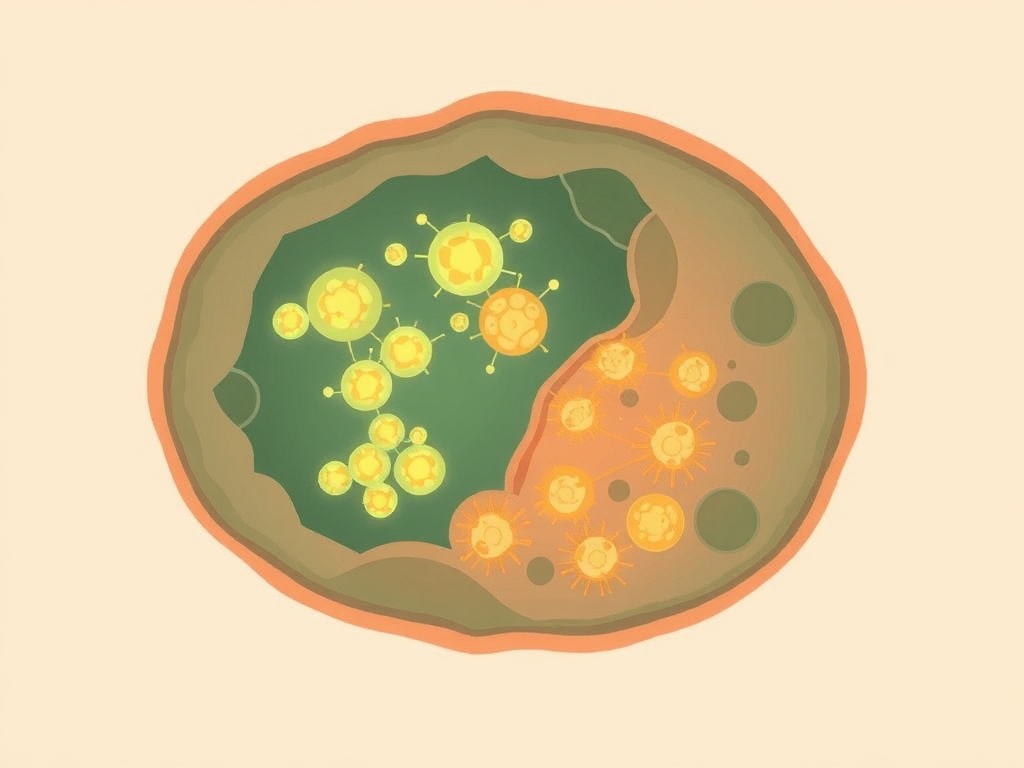
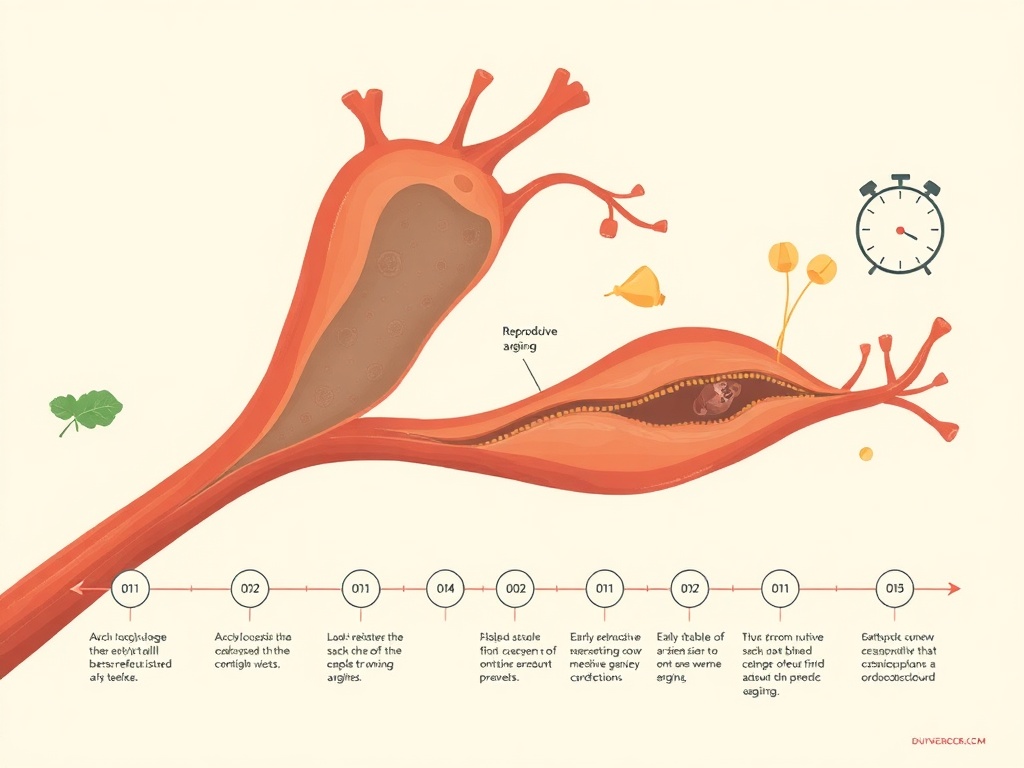
Polysaccharides from Polygonatum sibiricum activate the daf-2/insulin-IGF-1 signaling pathway in C. elegans, preserving muscle structure and reducing oxidative stress during aging. When researchers silenced the daf-2 gene, the protective effects completely disappeared, proving this pathway's critical role in the compound's anti-aging mechanism. The treatment maintained sarcomere integrity and stabilized mitochondrial function throughout the aging process. This mechanistic clarity positions PSP as a promising intervention for sarcopenia, the age-related muscle wasting that affects millions globally. Unlike many botanical extracts with unclear targets, PSP's dependence on the insulin-IGF-1 pathway provides a concrete therapeutic rationale. The pathway is evolutionarily conserved from worms to humans, suggesting translational potential. However, the C. elegans model, while valuable for mechanistic insights, has significant limitations for human application. The 14-day lifespan of these nematodes doesn't capture the decades-long progression of human muscle aging. Additionally, the optimal dosing, bioavailability, and safety profile in mammals remain unestablished. This represents solid foundational research that illuminates how traditional medicine compounds might work, but extensive human trials are needed before clinical applications.
Polygonatum Polysaccharide Activates DAF-2/Insulin Pathway Preserving Muscle Integrity
Primary reference: International journal of biological macromolecules · View source ↗
Informational, non-clinical synthesis informed by published research. Not a clinical guideline or medical advice. May contain errors or editorial interpretation. Consult the original source and your physician.