Forty percent of children with autism experience behavioral regression after seemingly minor infections, a devastating phenomenon that has puzzled families and clinicians for decades. This research offers the first mechanistic explanation for why some genetically vulnerable individuals suffer dramatic setbacks while others remain stable during routine illness.
Mice carrying a single faulty copy of the SHANK3 gene—which causes autism in humans but produces no obvious symptoms in these heterozygous animals—developed severe autism-like behaviors within two weeks of inflammatory challenge with lipopolysaccharide. The inflammation-exposed mice exhibited motor dysfunction, heightened anxiety, and repetitive grooming behaviors identical to mice missing both SHANK3 copies. Anti-inflammatory treatment partially reversed these changes, while untreated animals maintained their impairments.
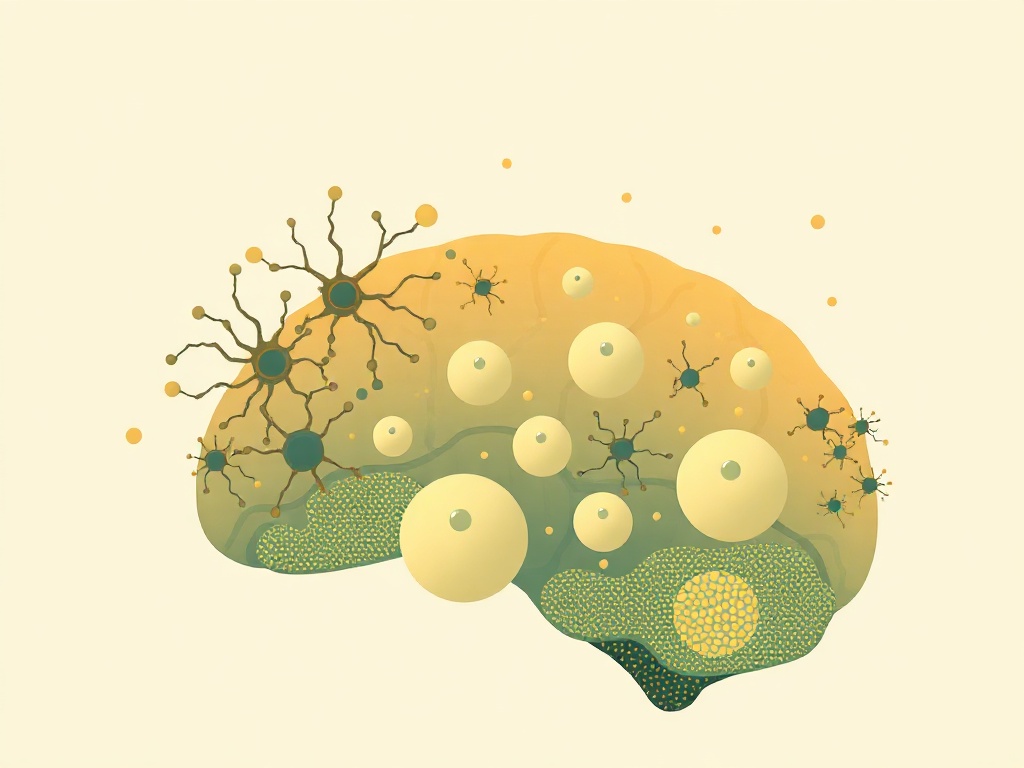
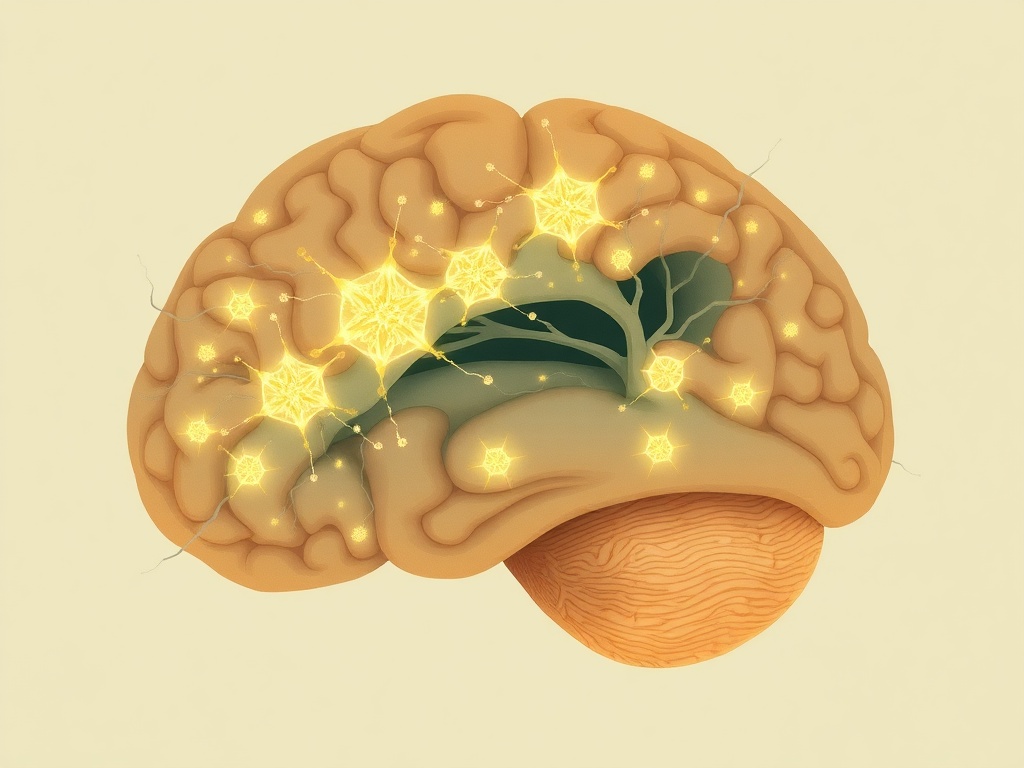
Transcriptomic analysis revealed that SHANK3-deficient mice mount exaggerated inflammatory responses through elevated toll-like receptor 4 signaling. This hyperactive immune cascade triggers microglia to aggressively prune synapses, dismantling the neural connections essential for normal behavior. The finding explains why subclinical infections—barely noticeable in typical individuals—can precipitate profound regression in genetically susceptible children.
This represents a potential paradigm shift in understanding autism's clinical trajectory. Rather than viewing regression as an inevitable consequence of underlying pathology, these results suggest targeted anti-inflammatory interventions might prevent or reverse behavioral deterioration. The work validates previous clinical observations that immunomodulatory treatments benefit regressing patients, while providing the mechanistic foundation for developing precision therapies based on individual genetic vulnerability and inflammatory status.