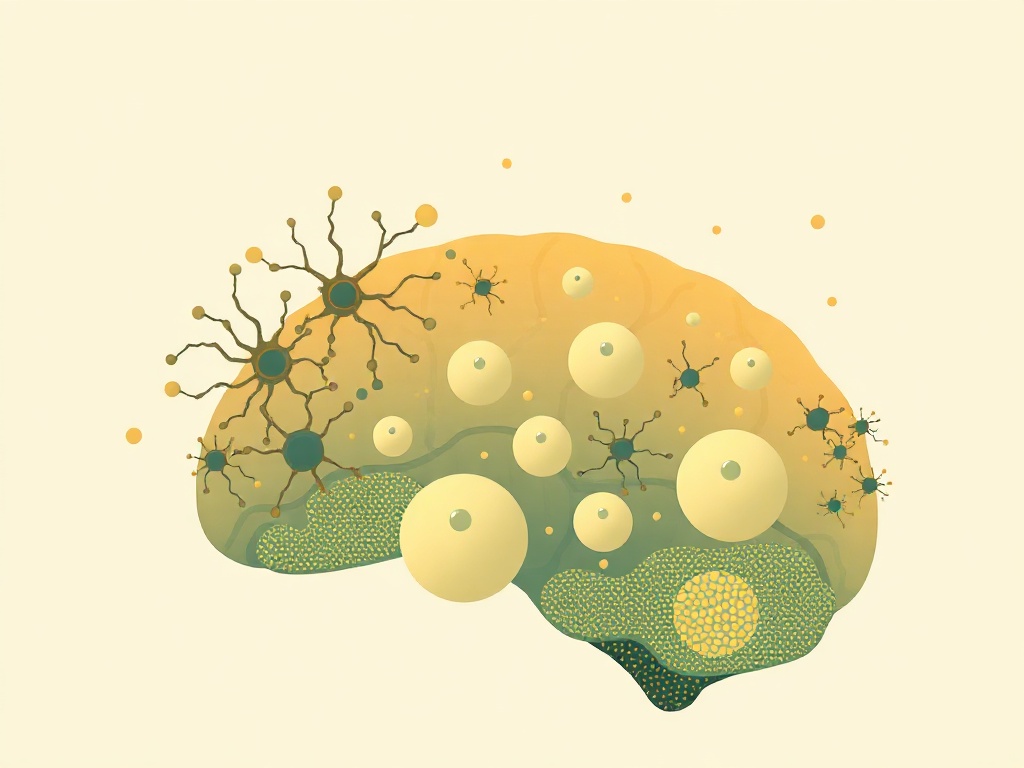
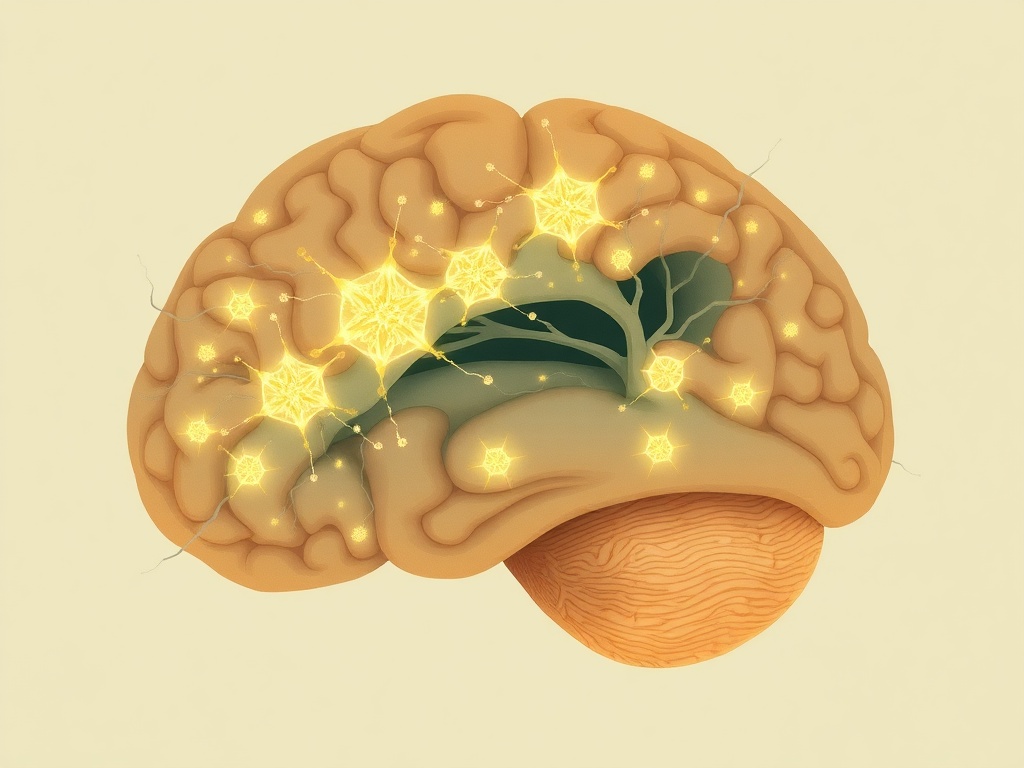
The brain's response to consciousness-altering compounds may follow more predictable patterns than previously understood, potentially accelerating therapeutic applications for treatment-resistant mental health conditions. This finding emerges from the largest neuroimaging analysis of psychedelic effects ever conducted, examining how these substances fundamentally reorganize neural networks.
Researchers analyzed brain scans from over 15,000 individuals across five major psychedelics—psilocybin, LSD, DMT, ayahuasca, and mescaline—revealing a consistent neurological signature despite the compounds' different chemical structures and traditional origins. The shared pattern involves decreased activity in the brain's default mode network, the neural system associated with self-referential thinking and rumination, while simultaneously increasing connectivity between normally segregated brain regions. This cross-network communication appears central to the therapeutic effects reported across multiple psychiatric conditions.
This convergence suggests psychedelics may represent a new class of neuroplasticity enhancers rather than simply mood modulators. Unlike conventional antidepressants that target specific neurotransmitter systems, these compounds appear to temporarily dissolve rigid neural patterns that characterize conditions like depression, PTSD, and addiction. The consistency across chemically diverse substances points toward shared downstream mechanisms in brain reorganization.
However, this mega-analysis aggregated studies with varying methodologies, doses, and participant populations, potentially obscuring important differences between compounds. The clinical significance remains unclear since most participants were healthy volunteers rather than patients with psychiatric conditions. While promising for standardizing therapeutic protocols, translating these neural signatures into predictable clinical outcomes requires validation in clinical populations where baseline brain architecture may differ substantially from healthy controls.