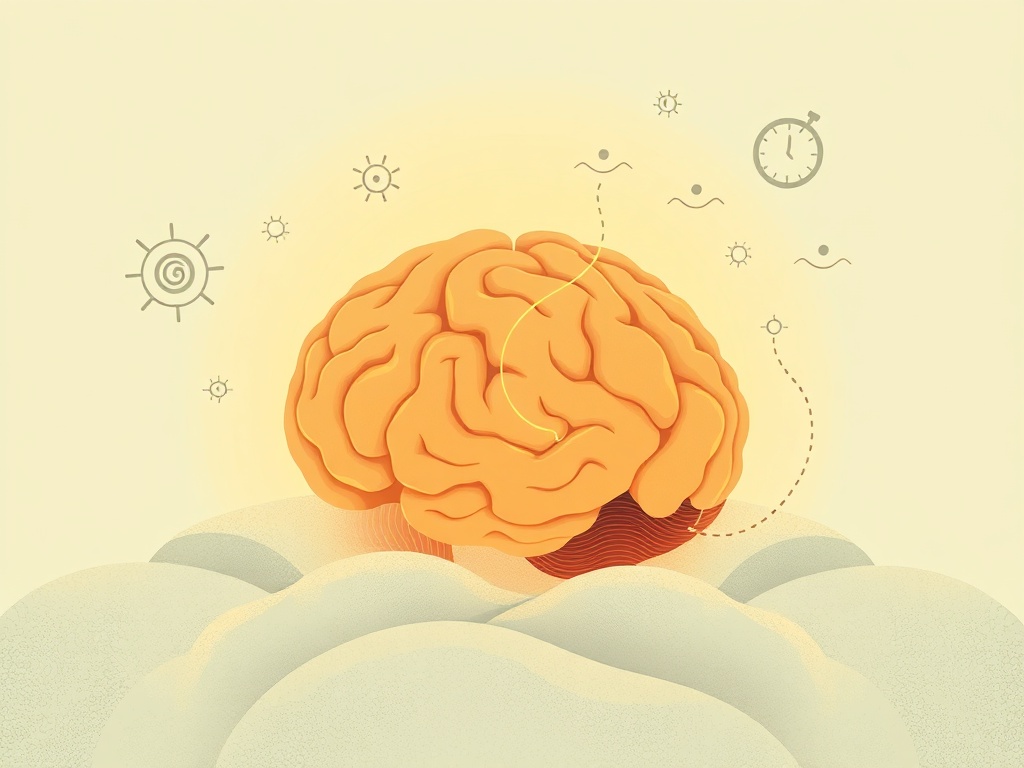
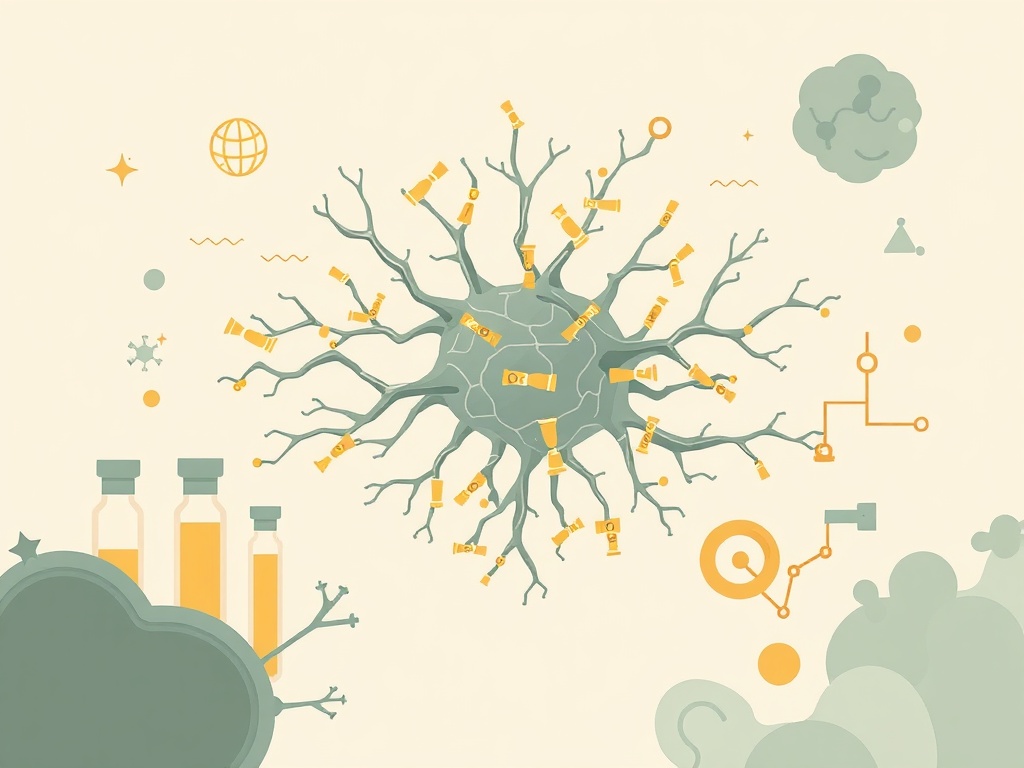
Understanding how billions of neurons coordinate to produce consciousness and cognition has long puzzled neuroscientists, but new computational modeling suggests the brain operates at a critical threshold where small changes trigger large-scale synchronization cascades. This finding could revolutionize approaches to treating neurological disorders and optimizing cognitive performance. The research introduces a Hierarchical Kuramoto model that successfully maps how neural oscillations synchronize across different brain scales, from local circuits to whole-brain networks. Unlike previous models that treated the brain as a uniform system, this approach captures the nested, hierarchical organization where smaller neural clusters influence larger network dynamics. The model demonstrates that healthy brains maintain a delicate balance at the edge of chaos, where networks can rapidly shift between synchronized and desynchronized states without getting stuck in either extreme. This critical positioning appears essential for cognitive flexibility and information processing efficiency. The implications extend far beyond theoretical neuroscience into practical brain health applications. Disorders like epilepsy, depression, and schizophrenia may represent deviations from this critical synchronization zone, suggesting that therapeutic interventions could target network dynamics rather than just neurotransmitter levels. For longevity-focused individuals, this research hints at why cognitive training, meditation, and diverse mental challenges may preserve brain function by maintaining optimal network criticality. However, the model currently relies on simplified assumptions about neural connectivity and has yet to be validated against real-world brain imaging data during specific cognitive tasks. While promising for understanding fundamental brain organization, translating these insights into actionable health interventions remains years away and will require extensive clinical validation.
Brain Network Model Reveals Critical Synchronization Patterns Across Neural Scales
Primary reference: PNAS · View source ↗
Informational, non-clinical synthesis informed by published research. Not a clinical guideline or medical advice. May contain errors or editorial interpretation. Consult the original source and your physician.