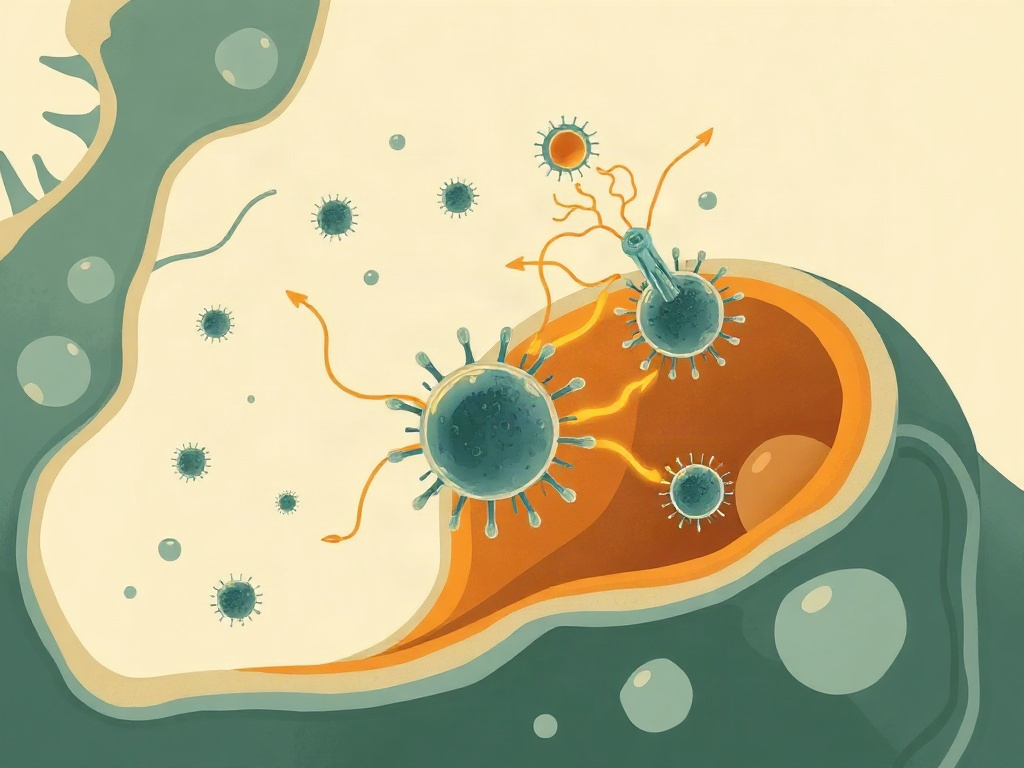
Adults seeking to maintain robust health into their later decades may find powerful allies in strategically timed vaccines that do far more than prevent single diseases. The concept of "immunofitness" represents a paradigm shift from viewing vaccination as merely disease prevention to recognizing it as active immune system training that can counteract the natural deterioration that accompanies aging.
The research reveals how vaccines work through multiple mechanisms to restore immune competence in older adults. Beyond creating pathogen-specific antibodies, vaccines leverage adjuvants to enhance antigen presentation and can actually reprogram innate immune cells through a process called trained immunity. This reprogramming creates broad protective effects that extend well beyond the target pathogen, offering what researchers term "heterologous benefits." Clinical evidence demonstrates that vaccines like influenza, pneumococcal, and recombinant zoster shots reduce not just infections but also cardiovascular events, hospitalizations, and overall mortality in elderly populations.
This approach represents a sophisticated understanding of how aging compromises immunity through twin processes: immunosenescence, where immune responses weaken, and inflammaging, where chronic low-level inflammation persists. Traditional vaccine schedules designed for younger adults may inadequately address these age-specific changes. The emerging field of precision vaccinology aims to customize vaccination timing and selection based on individual immune age, existing health conditions, and frailty status rather than chronological age alone. When integrated with lifestyle interventions, strategic vaccination could transform how we approach healthy aging, offering a practical, high-impact intervention that strengthens the immune system's capacity to protect against multiple threats simultaneously.