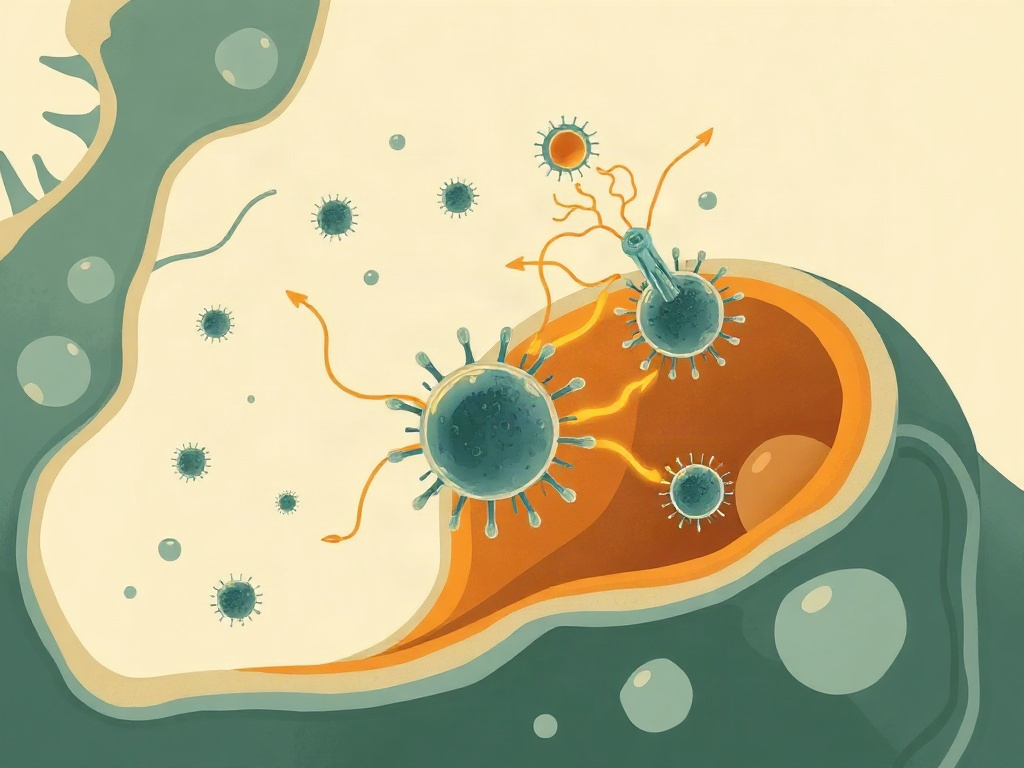
The brain's capacity to maintain and repair its white matter—the fatty insulation around nerve fibers—may depend on a metabolic pathway that becomes increasingly important with age and could be therapeutically targeted. This finding challenges the assumption that age-related white matter decline is irreversible and points toward nutritional interventions for cognitive preservation. The research demonstrates that acetyl-CoA synthetase 2 (ACSS2) serves as a critical metabolic gatekeeper for oligodendrocyte precursor cells, the brain cells responsible for producing myelin sheaths. When ACSS2 function declines, these precursor cells cannot maintain their population, leading to compromised myelination. The enzyme works by facilitating histone acetylation, an epigenetic modification that keeps genes necessary for myelin production properly activated. Crucially, supplementing with acetate—ACSS2's primary substrate—restored myelination capacity in both aging brains and following injury. This represents a significant advance in understanding how metabolic pathways intersect with brain aging and neuroplasticity. White matter integrity is fundamental to cognitive processing speed and executive function, both of which typically decline with age. The discovery that a simple metabolic substrate can influence this process suggests potential for dietary or supplement-based interventions. However, the research appears to be conducted in laboratory models, and the optimal dosing, delivery methods, and long-term safety of acetate supplementation in humans remain undefined. The work builds on growing evidence that brain aging involves metabolic dysfunction rather than purely structural decay, potentially opening therapeutic windows previously thought closed.
Acetate Supplementation Restores Brain Myelination Through ACSS2 Enzyme Pathway
Primary reference: Nature Aging · View source ↗
Informational, non-clinical synthesis informed by published research. Not a clinical guideline or medical advice. May contain errors or editorial interpretation. Consult the original source and your physician.