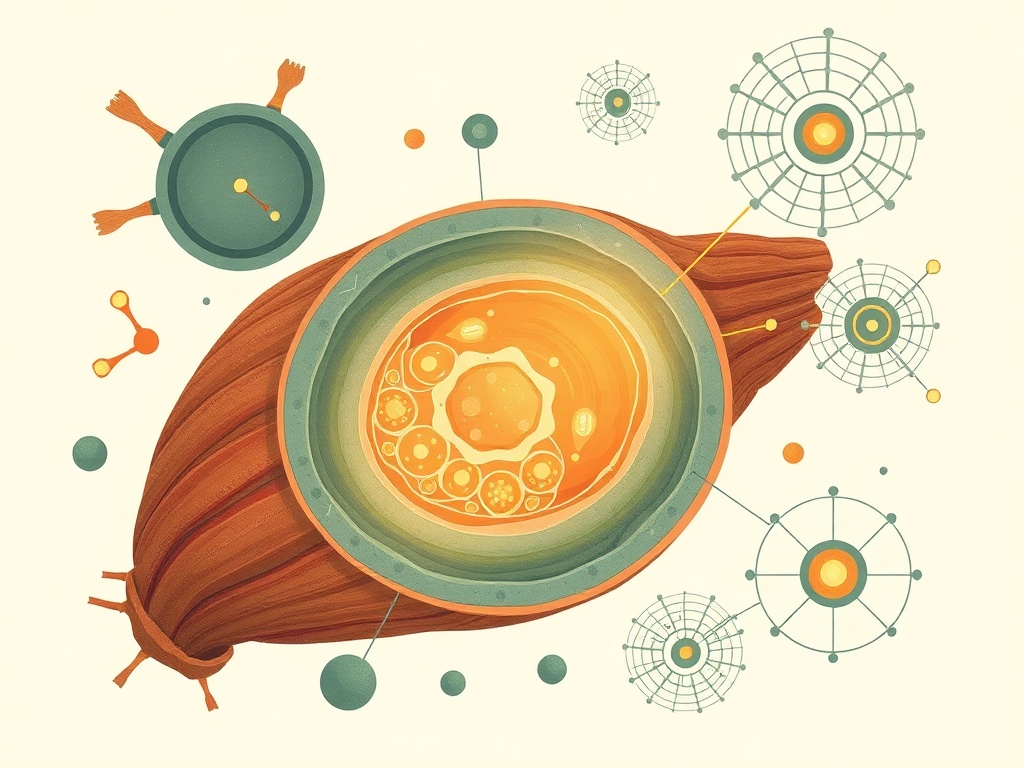
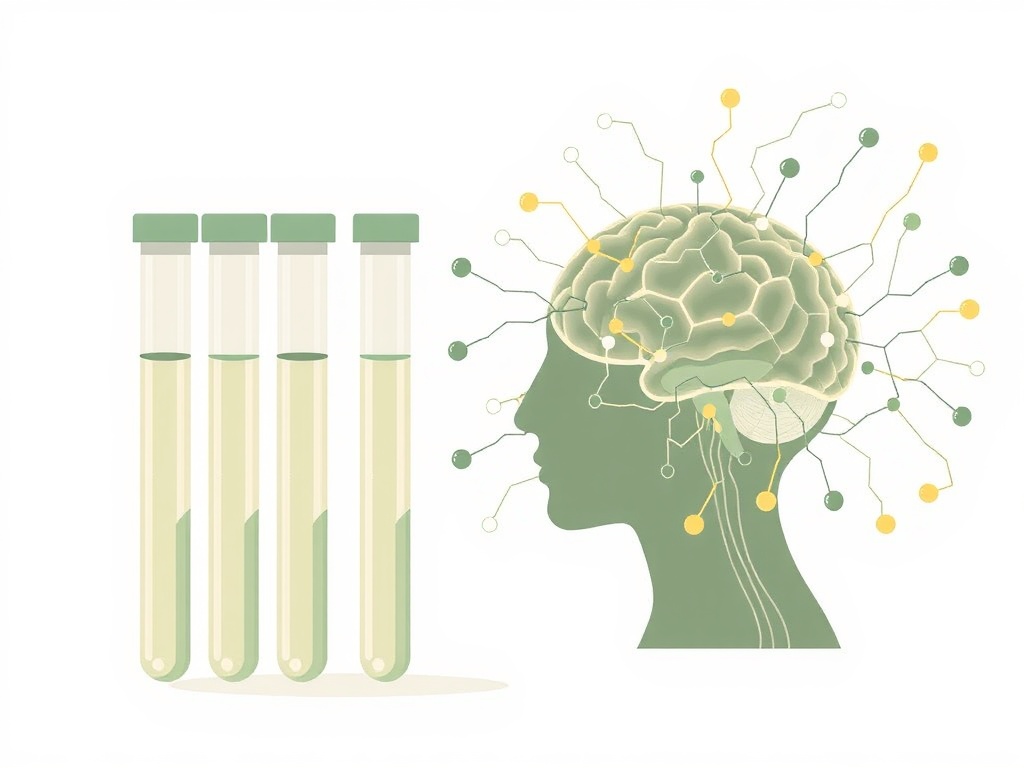
Researchers demonstrated that fecal microbiota transplantation from young female mice to estropausal recipients directly restored ovarian function, reduced inflammation-related gene expression, and enhanced fertility. The heterochronic transfer remodeled the ovarian transcriptome toward a more youthful profile, with metagenomics revealing specific microbial species and metabolites mediating these effects. This represents a paradigm-shifting discovery linking gut health to reproductive aging through previously unknown molecular mechanisms. The gut-ovary axis joins emerging research on microbiota influences across organ systems, but this study uniquely demonstrates causality through transplantation rather than correlation. For women, this suggests that maintaining optimal gut health through diet, probiotics, or eventually targeted microbiota therapies could potentially延缓 reproductive aging and reduce menopause-associated disease risks including osteoporosis and dementia. However, the mouse model limits immediate clinical translation, and human reproductive aging involves additional hormonal complexities. The identification of specific bacterial species and metabolites provides promising targets for developing interventions, though safety and efficacy in humans remain unestablished. This mechanistic insight into how gut microbiota influences ovarian health could revolutionize approaches to female reproductive longevity.
Young Mouse Gut Microbiota Reverses Ovarian Aging Through Metabolic Pathways
Primary reference: Nature aging · View source ↗
Informational, non-clinical synthesis informed by published research. Not a clinical guideline or medical advice. May contain errors or editorial interpretation. Consult the original source and your physician.