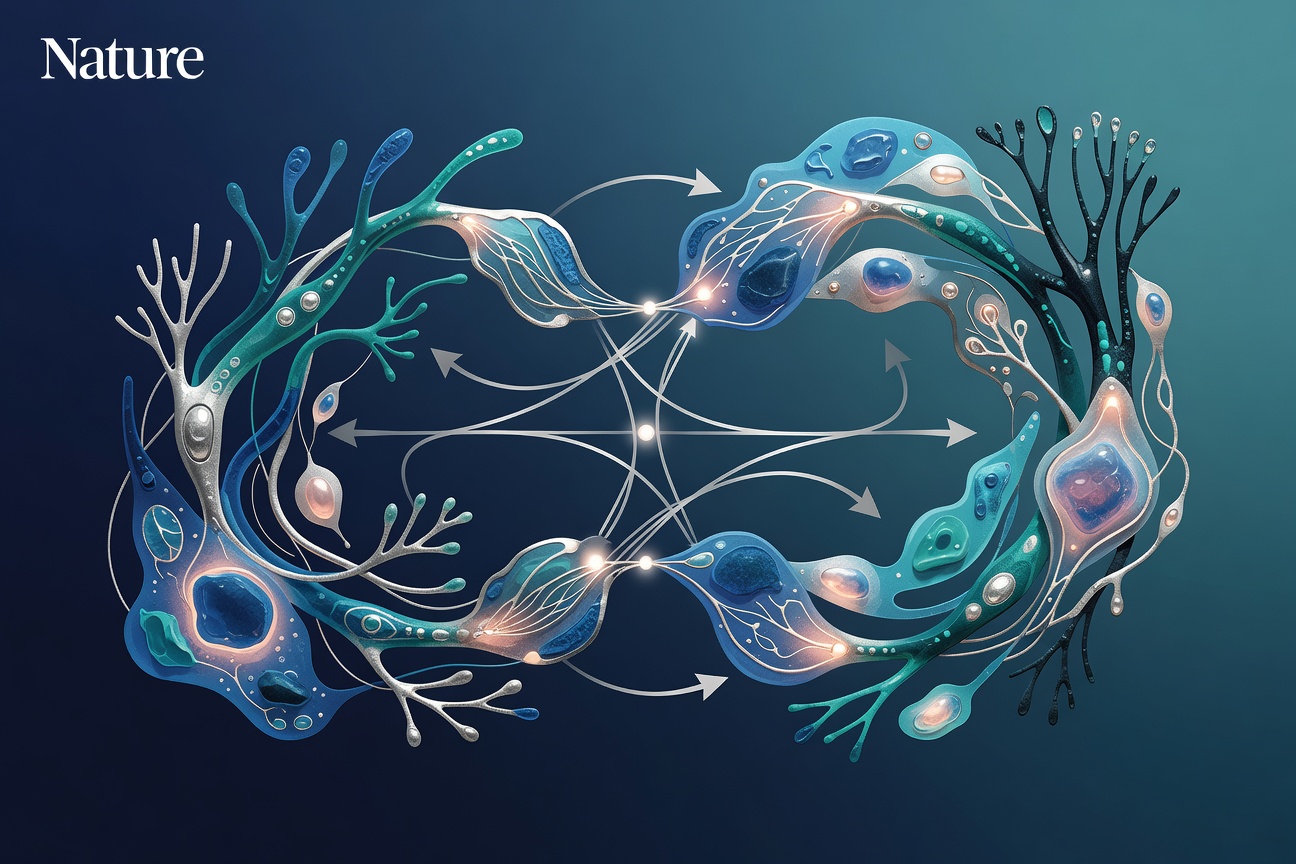
Mendelian randomization analysis of global health data reveals depression causally accelerates biological aging through two key mechanisms: shortened leukocyte telomeres (OR = 0.950) and reduced multidimensional aging scores incorporating parental lifespan, healthspan, and epigenetic markers (OR = 0.924). The relationship operates bidirectionally, with higher biological age independently reducing depression risk by 35%. Years lived with disability from depression nearly doubled globally from 6.2 million to 14.8 million cases between 1990-2021. This finding establishes depression as more than a psychological condition—it's a systemic accelerator of cellular aging processes. The telomere shortening mechanism suggests chronic inflammation and oxidative stress pathways drive this connection, aligning with emerging research on depression as a metabolic disorder. For adults over 55, this creates a concerning feedback loop where depression hastens aging, potentially shortening healthspan and increasing frailty risk. The bidirectional causality implies treating depression early might slow biological aging, while interventions targeting aging pathways could reduce late-life depression incidence. Given the doubling disease burden, this represents a critical public health priority requiring integrated approaches addressing both mental health and aging biology simultaneously.
Depression Accelerates Biological Aging Through Shortened Telomeres, Mendelian Analysis Shows
📄 Based on research published in Journal of affective disorders
Read the original paper →For informational, non-clinical use. Synthesized analysis of published research — may contain errors. Not medical advice. Consult original sources and your physician.