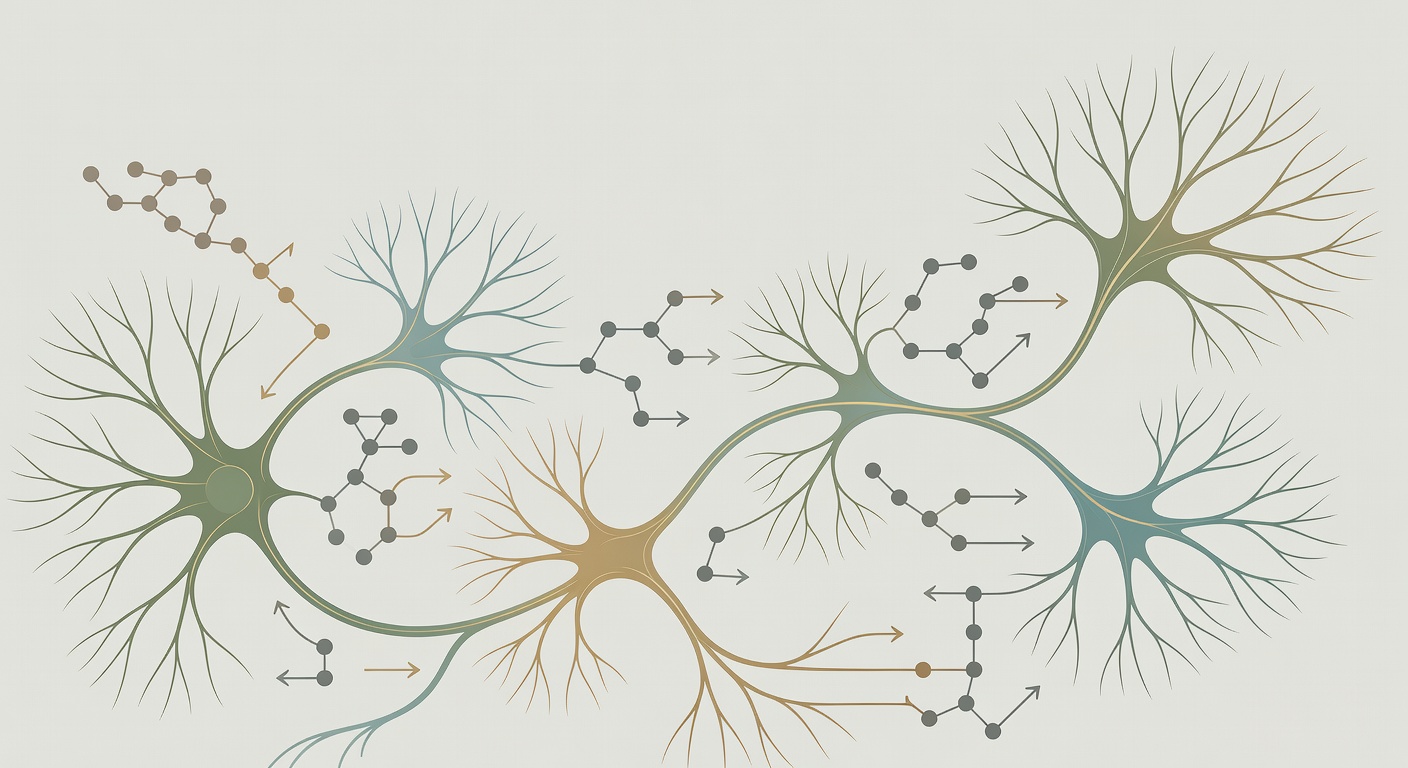
The discovery that brain inflammation and metabolic dysfunction fuel each other in a destructive loop opens new therapeutic possibilities for millions facing neurodegenerative diseases. This self-reinforcing cycle, where damaged neurons trigger inflammatory responses that further impair cellular energy production, may explain why conditions like Alzheimer's and Parkinson's progress relentlessly despite current treatments.
GLP-1 receptor agonists, medications currently prescribed for diabetes management, demonstrate dual mechanisms that could interrupt this pathological cycle. These compounds simultaneously restore insulin sensitivity in brain tissue and suppress inflammatory cascades mediated by activated microglia. The drugs enhance mitochondrial function within neurons while blocking the release of pro-inflammatory cytokines that amplify tissue damage. Clinical evidence suggests GLP-1 agonists can preserve synaptic plasticity and neuronal resilience through these complementary pathways.
This therapeutic approach represents a paradigm shift from targeting individual disease symptoms to addressing underlying metabolic-inflammatory networks. While diabetes medications have shown neuroprotective effects in observational studies, the mechanistic understanding now provides rationale for dedicated neurodegeneration trials. However, significant gaps remain regarding optimal dosing, treatment timing, and patient selection for neurological applications. The blood-brain barrier penetration and long-term safety profile in cognitively impaired populations require careful evaluation. If validated through rigorous clinical testing, repurposing these well-established metabolic drugs could accelerate treatment options for conditions currently lacking disease-modifying therapies.