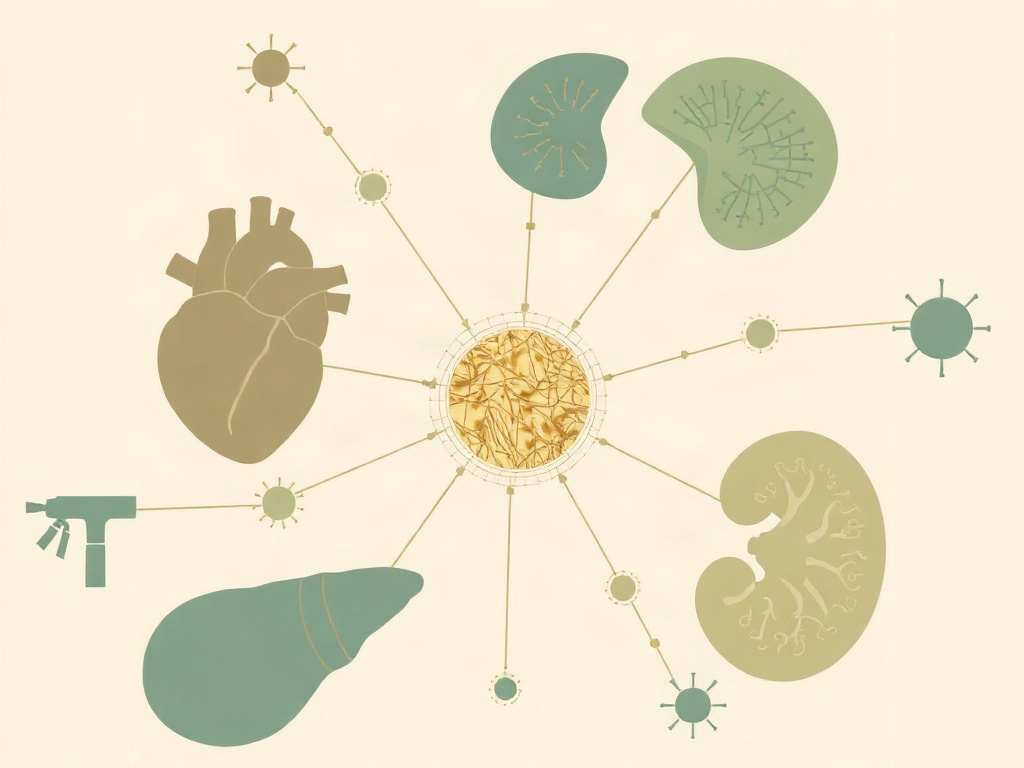
Scientists at A*STAR have developed a light-controlled hydrogel system that can adjust tissue stiffness in real-time, revealing how mechanical changes in aging tissues directly influence cellular behavior. The platform demonstrates that cells exposed to progressively stiffer environments exhibit accelerated aging markers, including altered gene expression patterns and reduced proliferative capacity. This innovative approach allows researchers to isolate mechanical factors from biochemical ones in aging processes. The findings illuminate a critical but underexplored aspect of aging biology: how the physical properties of our tissues create feedback loops that may drive cellular senescence. As we age, tissues naturally become stiffer due to collagen cross-linking and other structural changes, particularly in blood vessels, joints, and organs. This research suggests that stiffening isn't merely a consequence of aging but an active contributor to cellular decline. The implications extend beyond basic biology to potential therapeutic interventions. If mechanical environment drives aging at the cellular level, strategies to maintain tissue flexibility through targeted exercises, medical devices, or pharmaceutical interventions could slow aging processes. The work also provides a valuable research tool for studying mechanobiology and testing anti-aging compounds under controlled physical conditions. While conducted in laboratory settings with cultured cells, this research opens new avenues for understanding how our physical environment shapes longevity at the most fundamental level.
Hydrogel Platform Shows How Tissue Stiffness Accelerates Cellular Aging
Primary reference: A*STAR Research · View source ↗
Informational, non-clinical synthesis informed by published research. Not a clinical guideline or medical advice. May contain errors or editorial interpretation. Consult the original source and your physician.