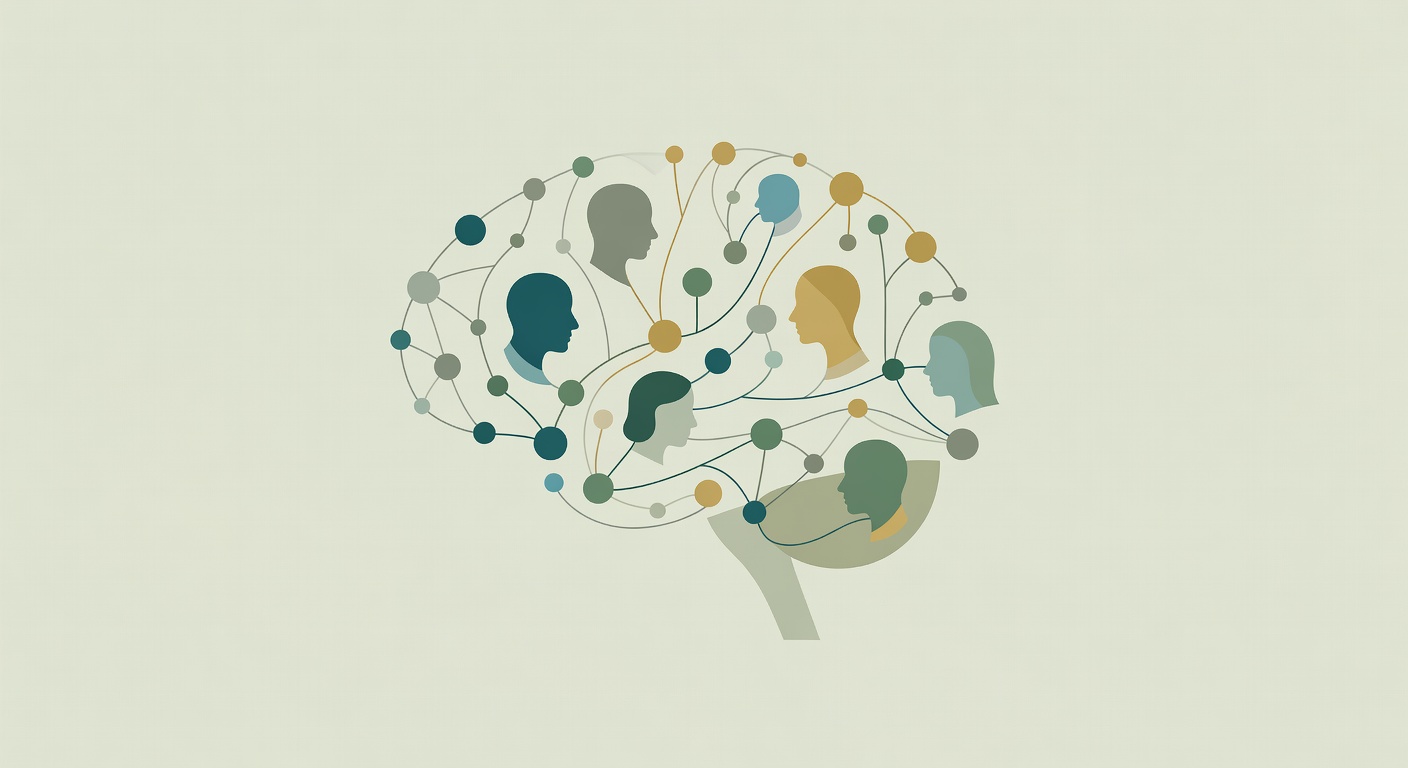
Neuroimaging analysis across multiple brain scanning technologies reveals that nature exposure consistently activates stress-reduction circuits while promoting neural integration patterns associated with cognitive restoration. The research synthesizes findings from EEG, fMRI, and structural MRI studies examining how natural stimuli—from forest walks to virtual reality nature scenes—influence brain activity. Results show immediate decreases in stress-related neural circuits, shifts toward alpha and theta brainwave patterns linked to relaxed attention, and enhanced connectivity between brain networks responsible for executive function. Long-term exposure correlates with improved white matter integrity and structural brain advantages supporting cognitive performance. This neurobiological validation helps explain why nature exposure reliably reduces anxiety, improves focus, and enhances psychological well-being across diverse populations. The findings bridge environmental psychology with hard neuroscience, suggesting that nature's therapeutic effects operate through measurable changes in brain function rather than merely subjective mood improvements. However, the predominantly observational nature of current studies limits causal conclusions. The review identifies critical gaps requiring controlled longitudinal trials to establish whether regular nature exposure can serve as a preventive intervention for stress-related cognitive decline and mental health disorders.
Brain Scans Reveal Nature Exposure Triggers Stress Reduction Neural Networks

📄 Based on research published in Neuroscience and biobehavioral reviews
Read the original research →For informational, non-clinical use. Synthesized analysis of published research — may contain errors. Not medical advice. Consult original sources and your physician.