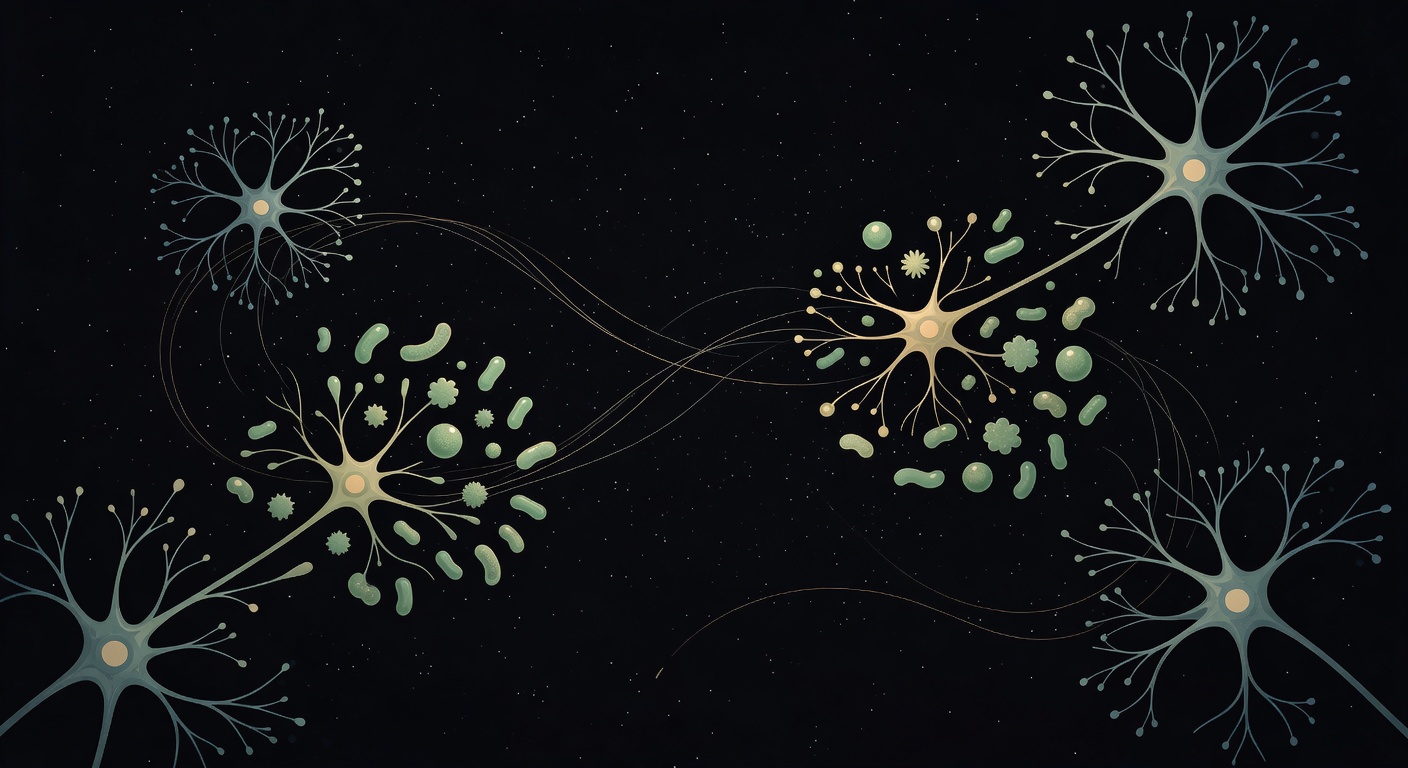
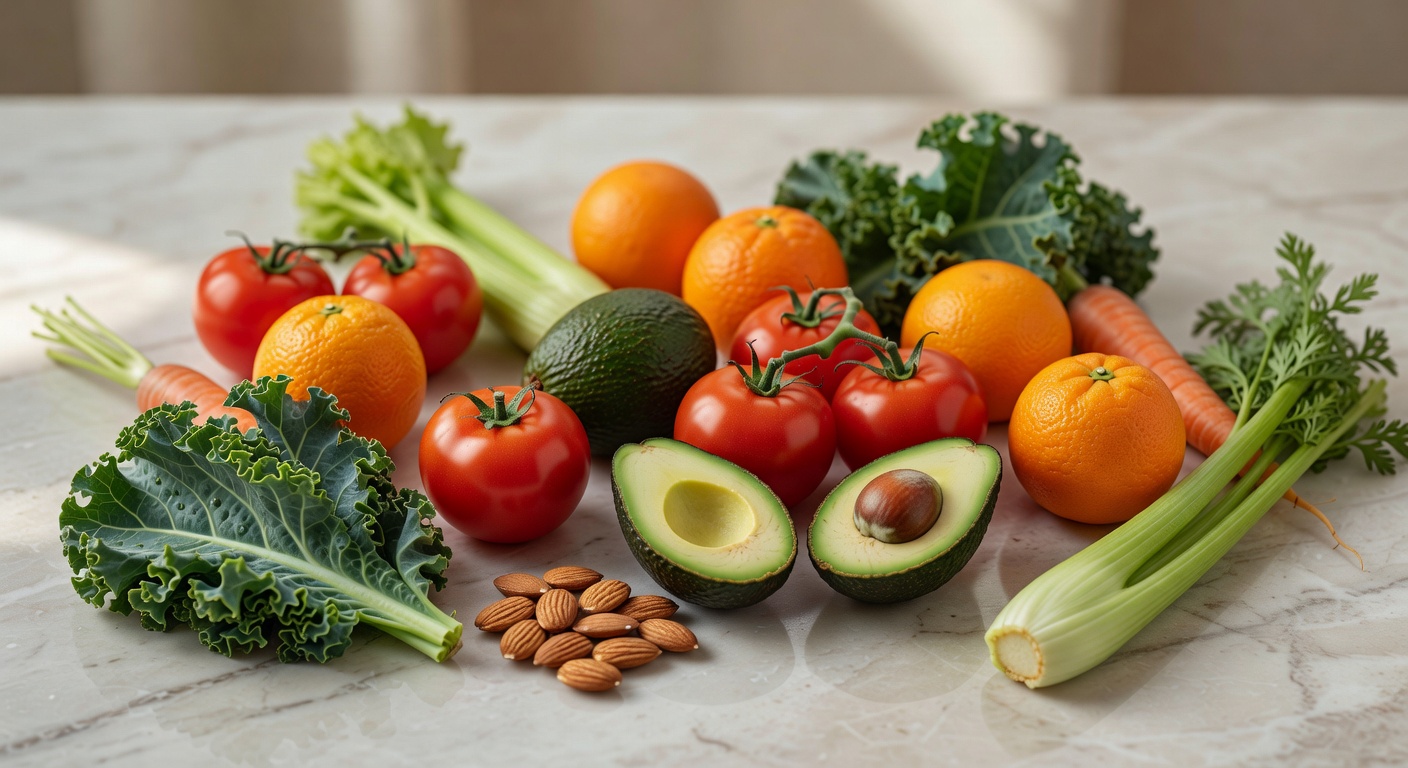
Adults consuming the most pro-inflammatory diets showed a 21% higher risk of developing atrial fibrillation compared to those eating anti-inflammatory diets, according to analysis of 8,277 participants followed for 24.2 years. The empirical dietary inflammatory potential (EDIP) score correlated with circulating inflammatory biomarkers including C-reactive protein and fibrinogen, with 1,453 participants developing AF during follow-up. This finding strengthens the mechanistic link between dietary inflammation and cardiac arrhythmias, building on established connections between chronic inflammation and cardiovascular disease. The sex-specific results are particularly noteworthy—men showed a robust 43% increased AF risk with pro-inflammatory diets, while women showed no significant association. This suggests hormonal factors may modulate diet-inflammation pathways differently between sexes. For clinical practice, these results support incorporating dietary counseling into AF prevention strategies, particularly for middle-aged men. However, this observational study cannot establish causation, and the predominantly white cohort limits generalizability. As a preprint awaiting peer review, these findings require validation before clinical application. The research represents solid confirmatory evidence that dietary quality meaningfully influences long-term cardiac rhythm health through inflammatory mechanisms.
PREPRINT — Not yet peer-reviewed
Pro-Inflammatory Diets Raise Atrial Fibrillation Risk 21% in 24-Year Study
📄 Based on research published in medRxiv preprint
Read the original research →⚠️ This is a preprint — it has not yet been peer-reviewed. Results should be interpreted with caution and may change following peer review.
For informational, non-clinical use. Synthesized analysis of published research — may contain errors. Not medical advice. Consult original sources and your physician.