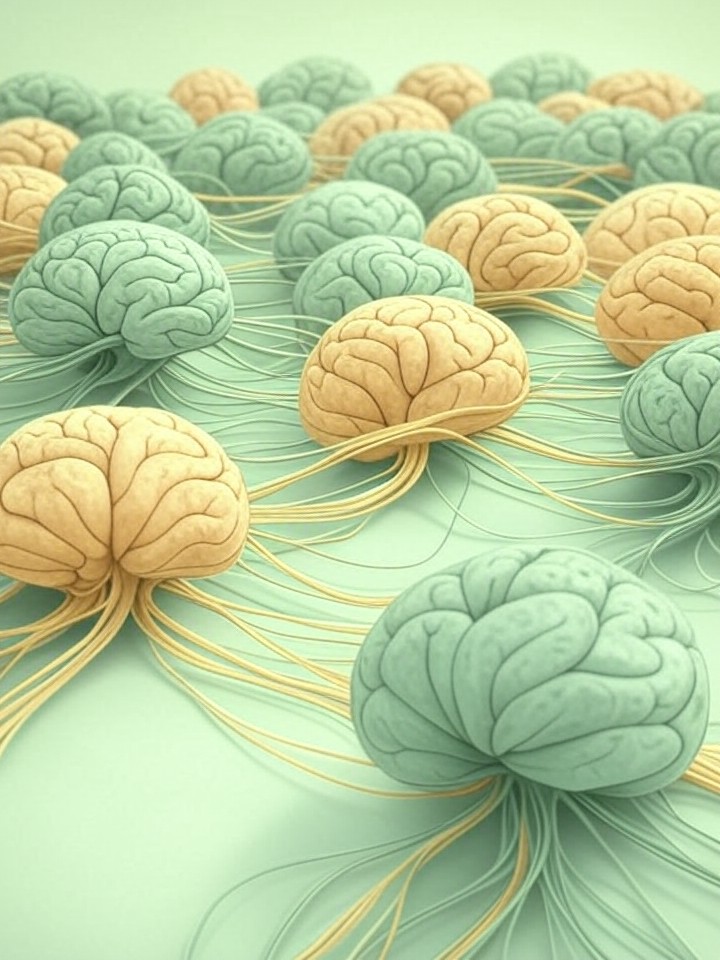
Analysis of social network data reveals that problematic individuals within close personal circles—termed 'hasslers'—trigger measurable acceleration in biological aging markers and inflammatory responses. These negative social ties demonstrate effects distinct from social isolation, operating through chronic stress pathways that elevate inflammatory cytokines and advance cellular aging processes beyond chronological age expectations. The research establishes a mechanistic link between interpersonal conflict and physiological deterioration that persists independent of positive social support levels. This finding reframes longevity optimization beyond the traditional focus on building supportive relationships to actively managing toxic social dynamics. For health-conscious adults, the implications are profound: the quality of social pruning may matter as much as social cultivation. While decades of research emphasized social connection quantity, this work suggests that one chronically difficult relationship may counteract multiple positive ones in terms of biological impact. The study's strength lies in distinguishing negative ties from mere absence of positive ones, though longitudinal tracking will be essential to establish whether removing hasslers can reverse aging acceleration or merely halt further damage.
Close Network 'Hasslers' Accelerate Biological Aging Through Chronic Inflammation Pathways

📄 Based on research published in Proceedings of the National Academy of Sciences
Read the original research →For informational, non-clinical use. Synthesized analysis of published research — may contain errors. Not medical advice. Consult original sources and your physician.