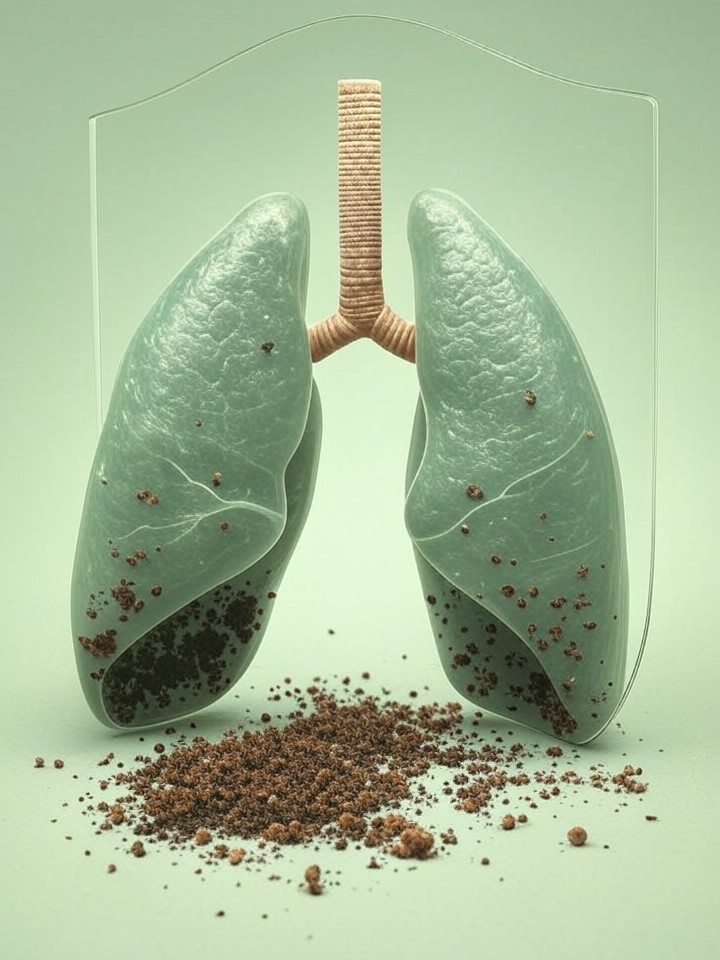
Reducing India's ambient PM2.5 concentrations to WHO guidelines of 15 μg/m³ could prevent approximately 570,000 premature deaths annually, while meeting the less stringent Indian standard of 25 μg/m³ would still save around 350,000 lives per year. The analysis quantifies dramatic mortality reductions possible through particulate matter control across India's diverse population centers. This mortality modeling represents one of the most comprehensive assessments of air quality's health burden in a rapidly developing nation. The findings underscore how environmental policy directly translates to population health outcomes, particularly in regions where industrial growth has outpaced pollution controls. For health-conscious individuals, the research reinforces that chronic exposure to fine particulates significantly shortens lifespan through cardiovascular and respiratory disease acceleration. The study's economic projections suggest that pollution reduction investments would generate substantial healthcare savings, making environmental protection both a moral and financial imperative. However, the modeling relies on exposure-response relationships derived primarily from Western populations, which may not fully capture genetic and lifestyle factors specific to Indian demographics. The research provides policymakers with concrete targets but implementing such reductions requires massive infrastructure changes across transportation, industry, and energy sectors.
India PM2.5 Reduction Could Prevent 570,000 Deaths Annually
Primary reference: PNAS · View source ↗
Informational, non-clinical synthesis informed by published research. Not a clinical guideline or medical advice. May contain errors or editorial interpretation. Consult the original source and your physician.