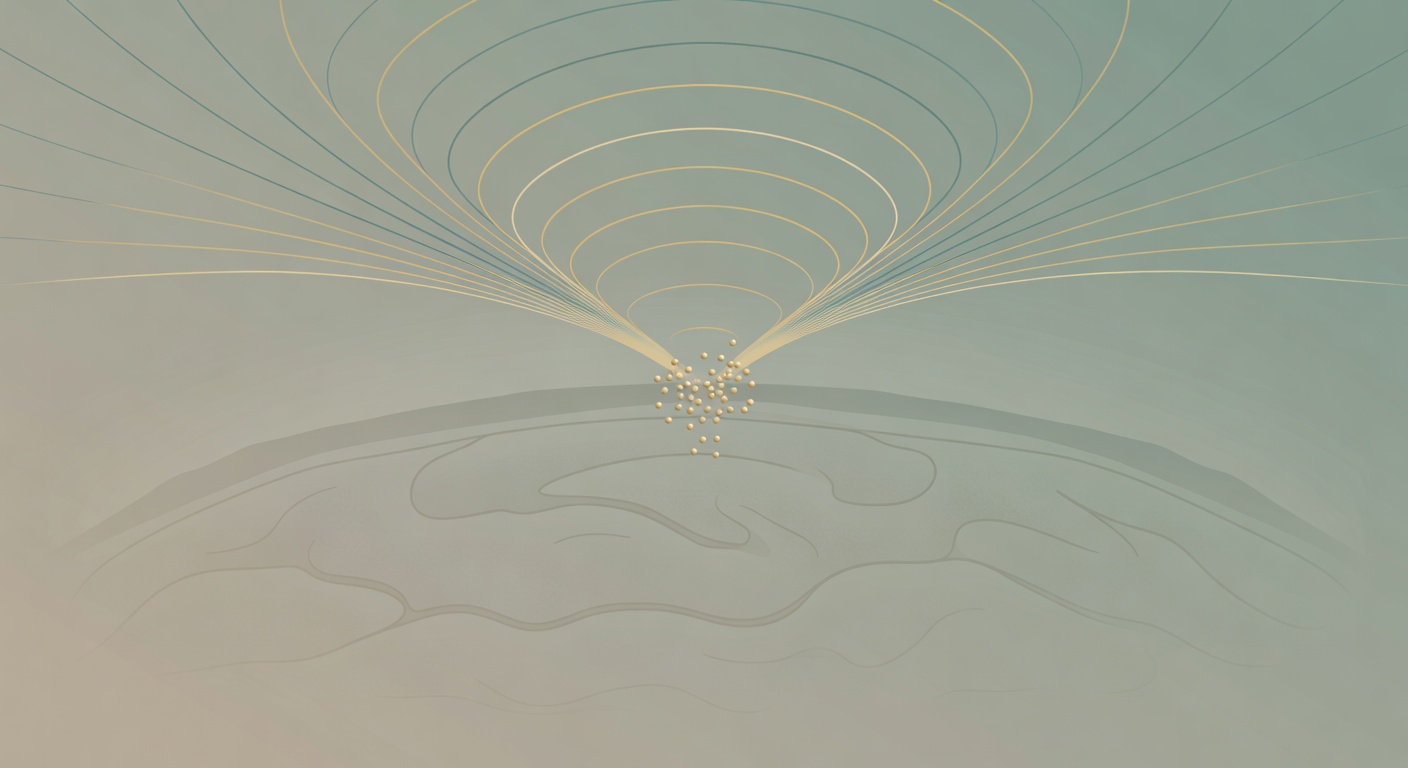
Brain iron deficiency emerges as the central mechanism behind restless legs syndrome (RLS), disrupting dopaminergic signaling in the substantia nigra even when systemic iron levels appear normal. The condition affects 7-10% of adults, with women experiencing twice the risk due to iron losses from menstruation and pregnancy. Genetic variants in iron transport proteins like BTBD9 and MEIS1 account for familial clustering observed in 40-90% of cases. This comprehensive clinical review illuminates why RLS represents more than simple leg discomfort—it's a neurological disorder with measurable brain chemistry alterations. The iron-dopamine connection explains why standard blood tests often miss the diagnosis, as brain iron deficiency can occur independently of anemia. Understanding this pathophysiology reshapes treatment approaches beyond symptomatic relief toward addressing root metabolic dysfunction. For the estimated 2-3% of adults with severe RLS, this mechanistic insight validates their experience of a condition often dismissed as minor. The review's emphasis on brain iron metabolism also suggests potential connections to other neurodegenerative conditions sharing similar iron-dopamine pathway disruptions, positioning RLS research within broader neurological medicine rather than as an isolated sleep disorder.
Iron Deficiency and Dopamine Dysfunction Drive Restless Legs Syndrome
📄 Based on research published in JAMA Network
Read the original research →For informational, non-clinical use. Synthesized analysis of published research — may contain errors. Not medical advice. Consult original sources and your physician.