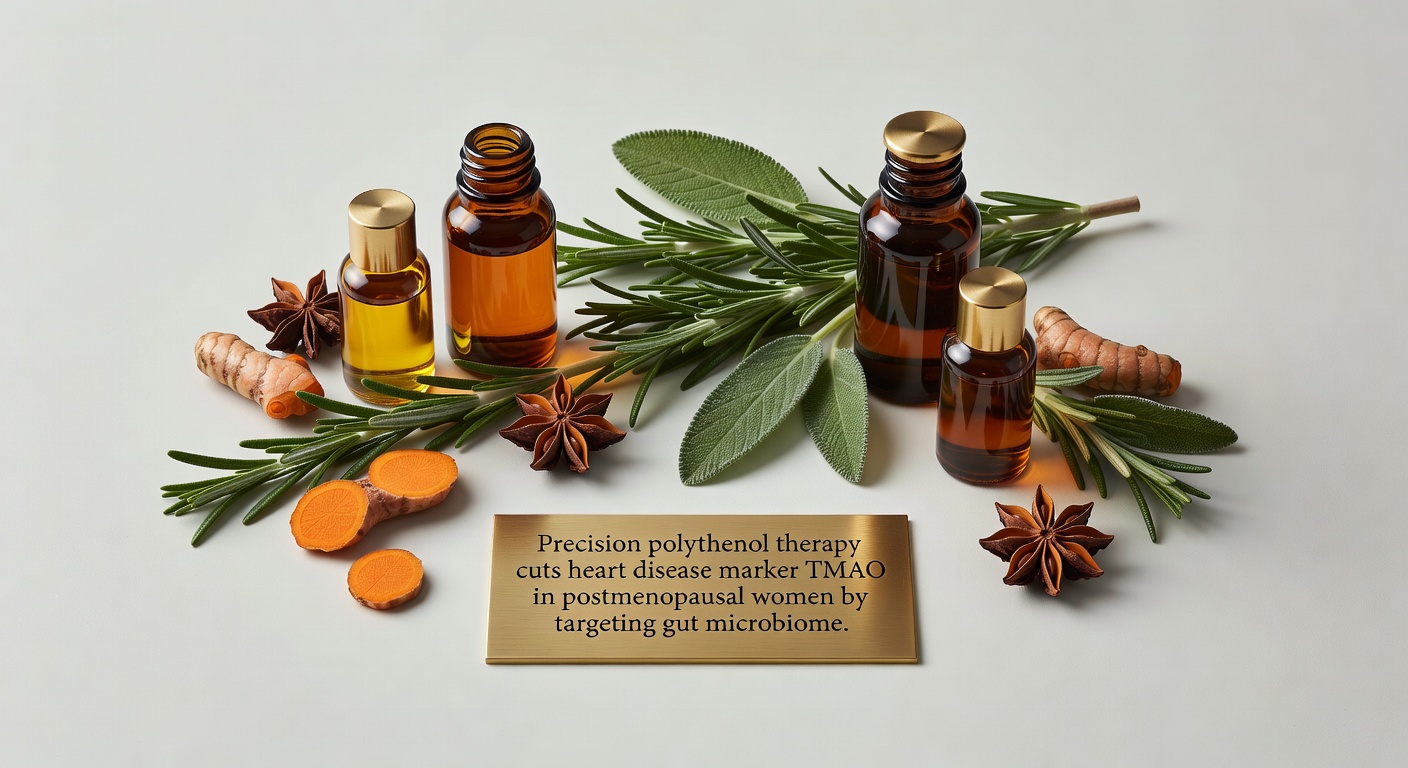
A polyphenol extract containing pomegranate, Polygonum cuspidatum, and red clover significantly reduced urinary TMAO and dimethylamine levels in 90 postmenopausal women versus placebo. The intervention was most effective in women with specific metabotypes—those producing urolithin A and equol from gut bacteria—representing 39% of participants who showed the strongest reductions in these atherogenic compounds. This represents a significant advance in precision nutrition for cardiovascular health. TMAO, produced when gut bacteria metabolize dietary choline and carnitine, has emerged as a key predictor of heart disease risk, particularly relevant for postmenopausal women who face elevated cardiometabolic risk. The metabotype-dependent response reveals why previous polyphenol studies showed inconsistent results—individual gut microbiome variations determine therapeutic efficacy. While the crossover design strengthens causality, the study's limitation to urinary markers rather than cardiovascular outcomes means clinical significance remains to be proven. This work pioneers a personalized approach to supplement recommendations, suggesting that genetic testing for polyphenol metabolism could guide targeted interventions. The findings bridge the gap between population-level dietary guidelines and individualized medicine, offering a practical pathway for precision health strategies in aging women.
Polyphenol Extract Reduces Atherogenic TMAO 39% Via Urolithin Metabotyping
📄 Based on research published in Food & function
Read the original paper →For informational, non-clinical use. Synthesized analysis of published research — may contain errors. Not medical advice. Consult original sources and your physician.