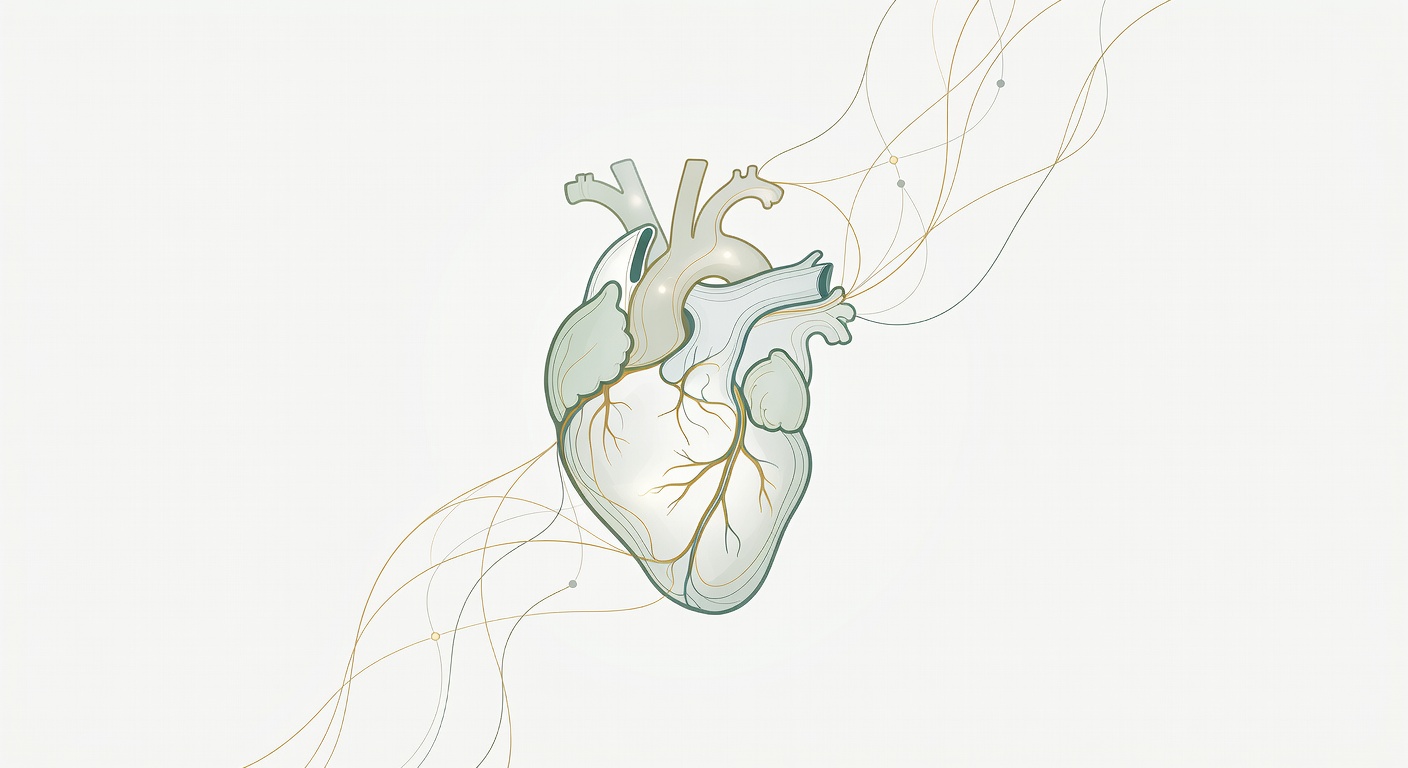
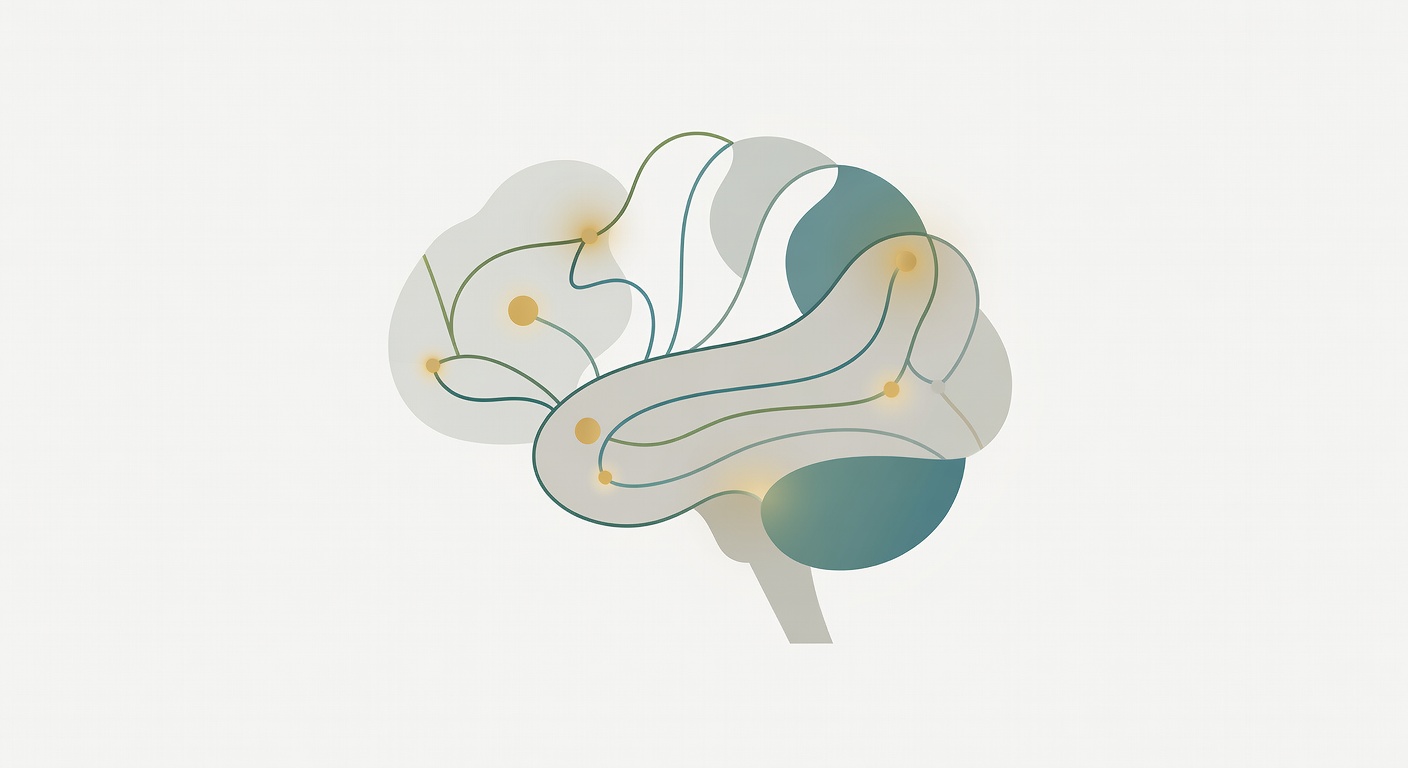
Neural circuit disruptions in threat detection, emotion regulation, and behavioral control create distinct pathways to aggressive behavior across different personality profiles. The research identifies specific brain system dysfunctions underlying aggression in individuals with psychopathic traits, high irritability, impulsivity, and low frustration tolerance, suggesting these aren't simply character flaws but measurable neurobiological differences. This neurobiological framework represents a significant shift from treating aggression as a monolithic behavioral problem toward precision approaches targeting specific circuit dysfunctions. The implications extend beyond clinical psychiatry into understanding workplace conflicts, relationship dynamics, and social interactions. Rather than generic anger management, interventions could target hyperactive threat-detection systems in some individuals while addressing emotion regulation deficits in others. The model also suggests pharmaceutical interventions might complement behavioral therapies by directly modulating the underlying neural circuits. However, the complexity of translating laboratory findings into real-world treatment protocols remains substantial, and the risk of pathologizing normal behavioral variation requires careful consideration as this field advances.
Brain Circuit Dysfunctions Link Specific Personality Traits to Aggressive Behavior
📄 Based on research published in Neuroscience and biobehavioral reviews
Read the original research →For informational, non-clinical use. Synthesized analysis of published research — may contain errors. Not medical advice. Consult original sources and your physician.