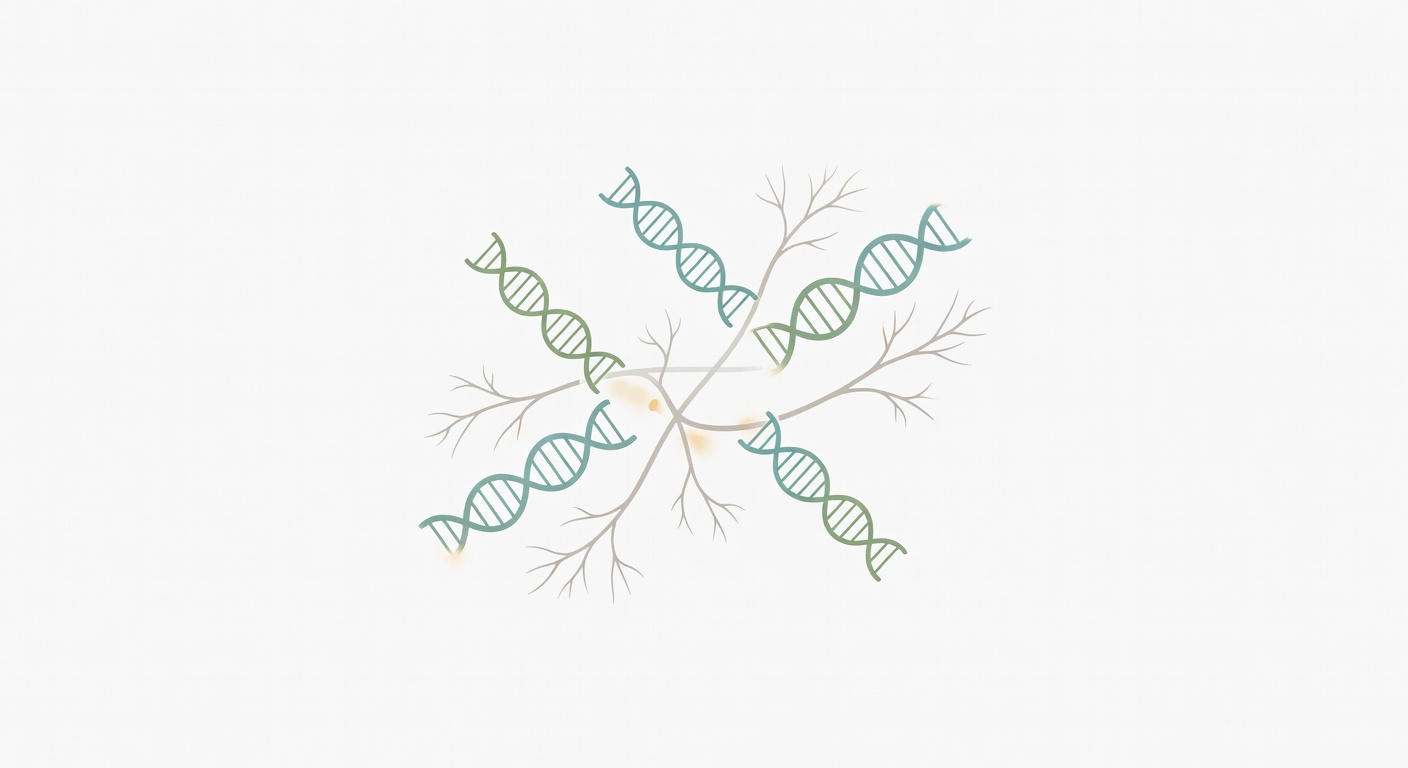
Large-scale genomic studies have identified overlapping genetic architectures linking schizophrenia, bipolar disorder, and major depression—three conditions affecting millions worldwide. These genome-wide analyses reveal shared molecular pathways and risk mechanisms that transcend traditional diagnostic boundaries, suggesting these disorders may represent different manifestations of common underlying biological processes. The research demonstrates significant genetic overlap between adult psychiatric conditions and childhood neurodevelopmental disorders, indicating continuity across the lifespan rather than discrete disease categories. This genomic evidence challenges the current diagnostic framework that treats these as separate conditions. The findings carry profound implications for personalized psychiatry, potentially enabling stratified treatment approaches based on genetic risk profiles rather than symptom-based diagnoses alone. While genomic medicine has transformed fields like oncology and cardiology, psychiatry has lagged behind due to the complexity of brain-based disorders. These advances represent a crucial step toward precision mental health care, though translating genetic discoveries into clinical applications remains challenging. The identification of shared pathways also opens new therapeutic targets that could address multiple psychiatric conditions simultaneously, potentially revolutionizing treatment strategies for the estimated 970 million people globally affected by mental health disorders.
Psychiatric Disorder Genomics Reveals Shared Risk Pathways Across Conditions
📄 Based on research published in Nature reviews. Genetics
Read the original research →For informational, non-clinical use. Synthesized analysis of published research — may contain errors. Not medical advice. Consult original sources and your physician.